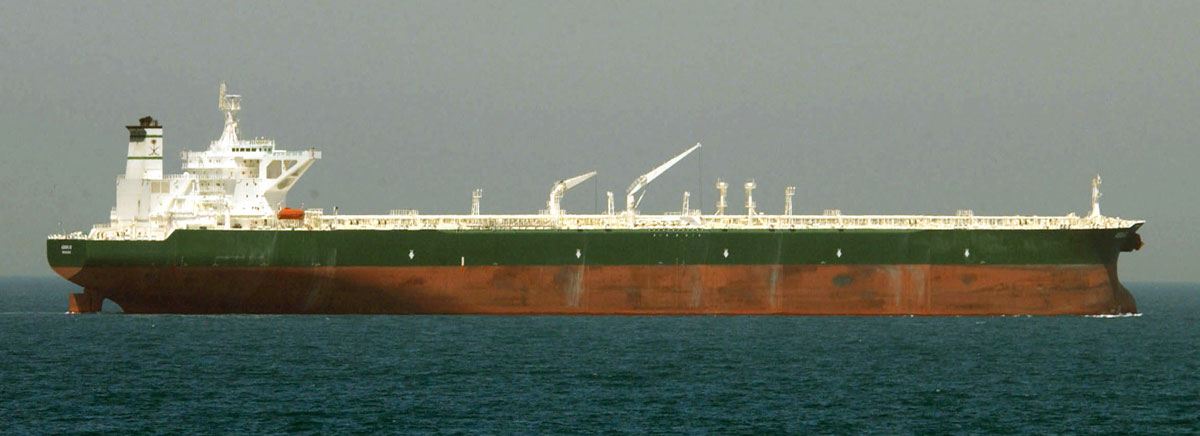
Merchant Seaman Courses
Merchant seaman courses range from basic safety training to advanced degree programs, each designed to develop specific competencies required for different ranks and vessel types. The International Convention on Standards of Training, Certification and Watchkeeping for Seafarers (STCW) establishes the minimum course requirements for all seafarers [STCW Code, 2010].
Choosing the right courses is essential for career progression. Each rank requires specific certifications, and each vessel type demands specialized training.
Before You Begin
Prerequisites
- For degree programs: 10+2 with Physics, Chemistry, and Mathematics (minimum 60% aggregate)
- For STCW courses: Minimum age 18 years, valid medical certificate
- For advanced courses: Valid STCW Basic Safety Training certificates
- For specialized courses: Previous sea service at appropriate rank
Required Documents
- Valid passport and CDC
- Educational certificates
- STCW certificates (for advanced courses)
- Medical fitness certificate
- Sea service records (for upgrading courses)
Estimated Duration
| Course Type | Duration |
|---|---|
| Bachelor's degree (Nautical Science/Marine Engineering) | 3-4 years |
| Diploma in Nautical Science | 1-2 years |
| Diploma in Marine Engineering | 1-3 years |
| STCW Basic Safety Training | 2-4 weeks |
| Advanced STCW courses | 2-5 days per course |
| Specialized endorsements | 1-3 weeks |
Estimated Cost
- Degree programs: $10,000 - $40,000
- Diploma programs: $5,000 - $15,000
- STCW BST: $500 - $2,000
- Advanced STCW courses: $200 - $800 per course
Step 1: Choose Your Course Pathway
The first step is selecting the appropriate course pathway based on your career goals and eligibility.
Objective
Identify the course pathway that aligns with your desired career in the maritime industry.
Instructions
- Officer Pathway (Deck): Enroll in a B.Sc. Nautical Science or Diploma in Nautical Science program.
- Officer Pathway (Engine): Enroll in a B.E. Marine Engineering or Diploma in Marine Engineering program.
- Rating Pathway: Enroll in a GP Rating program covering both deck and engine duties.
- Electro-Technical Officer: Enroll in an ETO course requiring electrical engineering background.
- Specialized Courses: Enroll after completing basic officer training for specific vessel types.
Why This Step Matters
Your course pathway determines your eligibility for CoC examinations and your career progression opportunities.
Pro Tips
- Research institutions approved by your national maritime administration.
- Consider sponsored training programs offered by shipping companies.
- Verify course recognition by flag state authorities.
Common Mistakes
- Enrolling in unapproved courses: Certificates from unrecognized institutions are invalid for sea service.
- Choosing the wrong pathway: Changing pathways mid-career requires additional time and cost.
Step 2: Complete STCW Basic Safety Training
STCW Basic Safety Training (BST) is the mandatory foundation for all merchant seamen regardless of rank or department.
Objective
Obtain the four mandatory STCW BST certificates required for all seafarers.
Instructions
- Personal Survival Techniques (PST): Learn life raft operations, survival swimming, and emergency equipment use. Duration: 2-3 days.
- Fire Prevention and Fire Fighting (FPFF): Learn fire extinguisher use, hose operations, and breathing apparatus. Duration: 2-3 days.
- Elementary First Aid (EFA): Learn CPR, wound management, and basic life support. Duration: 1-2 days.
- Personal Safety and Social Responsibilities (PSSR): Learn shipboard safety and environmental procedures. Duration: 1 day.
Why This Step Matters
BST certificates are legally mandatory for working on any commercial vessel. STCW certificates are valid for 5 years.
Pro Tips
- Complete all four BST modules at the same training center to save time.
- Take swimming lessons before PST if you are not confident in water.
- Keep digital copies of all certificates.
Common Mistakes
- Letting certificates expire: Expired certificates require full retraining.
- Not verifying training center approval: Only STCW-approved centers can issue valid certificates.
Step 3: Complete Advanced STCW Courses
Advanced STCW courses are required for officer positions and specific responsibilities.
Objective
Obtain advanced STCW certifications required for your chosen career path.
Instructions
- Proficiency in Survival Craft (PSC): Lifeboat operations, launching procedures, and survival craft management. Duration: 5 days.
- Advanced Fire Fighting (AFF): Fire team leadership, fire investigation, and complex scenarios. Duration: 3-5 days.
- Medical First Aid (MFA): Advanced medical assessment and medication administration. Duration: 3 days.
- Medical Care (MC): Comprehensive medical management for Masters and Chief Officers. Duration: 5 days.
Why This Step Matters
Advanced STCW courses are mandatory for CoC applications at operational and management levels.
Pro Tips
- Plan your advanced course schedule to align with CoC application timelines.
- Some courses require previous certification as a prerequisite.
- Advanced courses have practical assessments, not just written exams.
Common Mistakes
- Missing prerequisites: Some courses require minimum sea service or previous certifications.
- Underestimating course difficulty: Advanced courses require significant study and practical skill.
Step 4: Complete Navigation and Engineering Certifications
Specialized navigation and engineering certifications are required for specific equipment and systems.
Objective
Obtain certifications for specialized equipment used in modern vessels.
Instructions for Deck Officers
- GMDSS Certificate: Global Maritime Distress and Safety System operations. Duration: 2-3 weeks.
- ARPA Certificate: Automatic Radar Plotting Aid operation. Duration: 1 week.
- ECDIS Certificate: Electronic Chart Display and Information System. Duration: 1 week.
- Radar Navigation Certificate: Radar theory and collision avoidance. Duration: 1 week.
Instructions for Engineering Officers
- Marine Engineering Knowledge: Advanced thermodynamics, mechanics, and materials. Duration: Various.
- Electrical and Electronic Systems: Marine electrical systems and automation. Duration: Various.
- Control Engineering: Automation and control systems. Duration: Various.
Why This Step Matters
These certifications are required by the STCW Convention for officers serving on specific vessel types and with specific equipment.
Pro Tips
- Complete ECDIS and ARPA training early in your career for better employability.
- Some shipping companies reimburse course fees for their employees.
Common Mistakes
- Ignoring ECDIS training: Most modern vessels use ECDIS, and officers without this certification may face limited opportunities.
Step 5: Complete Specialized Vessel Courses
Specialized courses are required for service on specific vessel types including tankers, LNG carriers, and passenger ships.
Objective
Obtain endorsements required for specialized vessel types.
Instructions
- Tanker Familiarization: Basic safety procedures for oil and chemical tankers. Duration: 3 days.
- Tanker Operations (Advanced): Cargo handling, safety, and pollution prevention for tankers. Duration: 2 weeks.
- LNG Operations: Cryogenic cargo operations and emergency response for LNG carriers. Duration: 2 weeks.
- LPG Operations: Liquefied petroleum gas carrier operations. Duration: 2 weeks.
- Passenger Ship Operations: Crowd management, crisis management, and passenger safety. Duration: 3-5 days.
Why This Step Matters
Specialized endorsements are mandatory for serving on these vessel types. They significantly increase your employability and salary potential.
Pro Tips
- Tanker endorsements offer higher salaries due to increased responsibility and risk.
- Complete specialized courses between contracts to maximize career progression.
Common Mistakes
- Taking basic courses without advanced: Basic tanker familiarization alone is insufficient for officer positions on tankers.
- Not verifying course recognition: Some flag states require specific training providers for endorsements.
Step 6: Complete Continuous Professional Development
Maritime professionals must continuously update their knowledge and skills throughout their careers.
Objective
Stay current with industry developments and maintain valid certifications.
Instructions
- Refresher Training: Complete STCW refresher courses before certificate expiry (every 5 years).
- New Technology Training: Complete courses on new equipment, systems, and regulations.
- Management and Leadership Courses: Develop skills for senior officer positions.
- ISPS and ISM Training: Security awareness and safety management training.
Why This Step Matters
Continuous professional development is mandatory for certificate renewal and career progression to senior ranks.
Pro Tips
- Plan refresher training 3-6 months before certificate expiry to avoid gaps.
- Many courses are available online for theory components.
- Keep a personal training record to track all completed courses and expiry dates.
Common Mistakes
- Waiting until certificates expire: Expired certificates require full retraining, not just refresher courses.
- Neglecting management training: Technical skills alone are insufficient for senior officer positions.
After Completion
How to Verify Success
- All completed courses will be recorded in your training record.
- Certificates will be issued by the training provider.
- Your CDC will be updated with new endorsements.
Expected Outcome
You will hold valid certifications required for your current rank and be eligible for promotion to the next level.
Next Recommended Actions
- Apply for positions at your new qualification level.
- Plan your next course for the next promotion stage.
- Update your resume and professional profile with new certifications.
Troubleshooting
| Problem | Possible Cause | Solution |
|---|---|---|
| Course not recognized | Unapproved provider | Verify provider approval before enrollment |
| Certificate delayed | Administrative processing | Apply 2-3 months before expiry |
| Failed assessment | Insufficient preparation | Request study materials and retake |
| Prerequisites not met | Missing previous certification | Complete prerequisite courses first |
Best Practices
- Plan ahead: Schedule courses well before certificates expire or promotions are due.
- Choose approved providers: Only enroll in courses from STCW-approved training centers.
- Document everything: Maintain organized records of all completed courses and certificates.
- Stay updated: Maritime regulations change frequently; subscribe to industry updates.
- Network with providers: Build relationships with training centers for course recommendations.
Frequently Asked Questions
Which merchant seaman courses are mandatory?
STCW Basic Safety Training (PST, FPFF, EFA, PSSR) is mandatory for all seafarers. Additional mandatory courses depend on your rank and department.
How long are merchant seaman courses valid?
STCW certificates are valid for 5 years. Medical certificates are valid for 2 years (1 year for those over 40). CoCs are valid for 5 years with continued sea service.
Can I complete merchant seaman courses online?
Some theoretical components can be completed online, but practical assessments must be completed in person at an approved training center.
How much do merchant seaman courses cost?
Costs range from $500 for STCW BST to $40,000 for a full degree program. Advanced courses cost $200-$800 per course.
Do courses from one country transfer to another?
STCW certifications are recognized in all 160+ signatory countries. However, some flag states may require additional assessments or endorsements.
Related Resources
- Merchant Seaman Training
- STCW Training for Merchant Seamen
- Merchant Seaman Certifications
- Best Merchant Seaman Training Institutes
Conclusion
Merchant seaman courses provide the structured training pathway required for a successful maritime career. From mandatory STCW BST to specialized vessel endorsements and continuous professional development, each course builds the competencies needed at every career stage. Choose approved training providers, plan your course schedule strategically, and maintain valid certifications throughout your career.
References & Citations
- [STCW Code, 2010] International Maritime Organization. "STCW Convention and Code, 2010 Manila Amendments."
- MLC, 2006] International Labour Organization. "Maritime Labour Convention, 2006."
- IMO, 2023] International Maritime Organization. "Model Courses for Maritime Training."