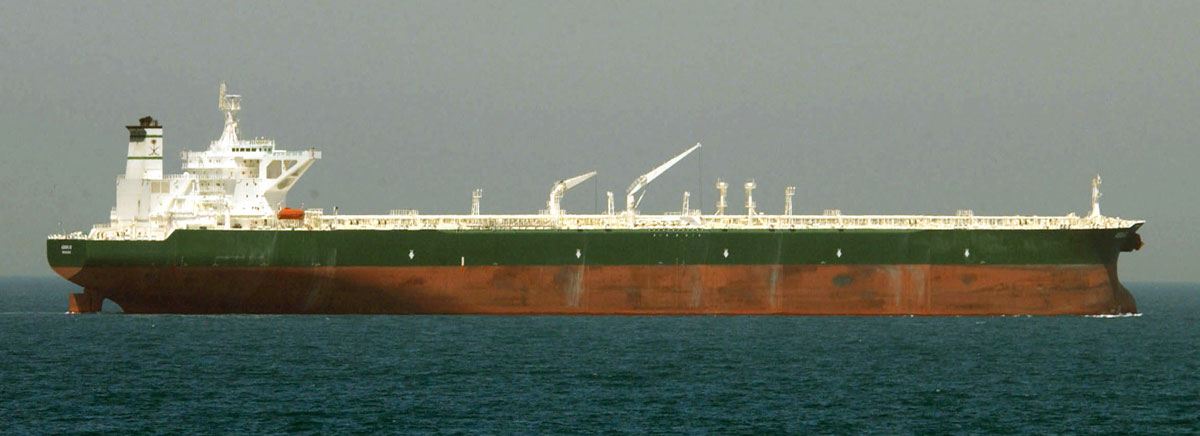
Merchant Seaman Certifications
Merchant seaman certifications are mandatory credentials that validate your competence, safety training, and eligibility to serve on commercial vessels. The International Convention on Standards of Training, Certification and Watchkeeping for Seafarers (STCW) establishes the minimum certification requirements for all seafarers [STCW Code, 2010].
This checklist covers all certifications you need from entry-level to senior officer positions. Use it to track your certification status and plan your training schedule.
Before You Begin
Required Documents for Certification Applications
- ✓ Valid passport (minimum 2 years validity)
- ✓ Educational certificates (10th, 12th, degree/diploma)
- ✓ Medical fitness certificate (from an approved maritime medical practitioner)
- ✓ Existing STCW certificates (for advanced course applications)
- ✓ Sea service record book (for CoC applications)
- ✓ Police clearance certificate
- ✓ Passport-sized photographs (12-20 copies)
Safety Precautions
- Always verify that training providers are STCW-approved before enrolling.
- Keep both physical and digital copies of all certificates.
- Monitor certificate expiry dates and plan renewal 3-6 months in advance.
Prerequisites
- Minimum 18 years of age for most certifications
- Valid medical certificate
- English language proficiency
Estimated Completion Time
STCW Basic Safety Training: 2-4 weeks
Advanced STCW courses: 2-5 days per course
CoC examinations: Varies by rank (months to years of preparation)
Mandatory STCW Basic Safety Training (All Seafarers)
✓ Personal Survival Techniques (PST)
Purpose: Train seafarers to survive in emergency situations at sea.
How to Check: Complete the STCW-approved PST course and obtain the certificate.
Acceptance Criteria: Pass practical assessments including life raft boarding, life jacket donning, and survival swimming.
Common Issues: Fear of water or inability to swim can cause failure.
Recommended Action: Take swimming lessons before enrolling in PST training.
Validity: 5 years. Requires refresher training for renewal.
✓ Fire Prevention and Fire Fighting (FPFF)
Purpose: Train seafarers to prevent and respond to fire emergencies.
How to Check: Complete the STCW-approved FPFF course and obtain the certificate.
Acceptance Criteria: Pass practical assessments including using fire extinguishers, fire hoses, and breathing apparatus.
Common Issues: Claustrophobia can affect performance in smoke-filled environment exercises.
Recommended Action: Practice using breathing apparatus in controlled environments before the course.
Validity: 5 years. Requires refresher training for renewal.
✓ Elementary First Aid (EFA)
Purpose: Train seafarers to provide basic medical care until professional help arrives.
How to Check: Complete the STCW-approved EFA course and obtain the certificate.
Acceptance Criteria: Pass practical assessments including CPR, wound dressing, and fracture management.
Common Issues: None significant; most candidates pass with proper training.
Recommended Action: Review basic first aid principles online before the course.
Validity: 5 years. Requires refresher training for renewal.
✓ Personal Safety and Social Responsibilities (PSSR)
Purpose: Educate seafarers on shipboard safety procedures and environmental protection.
How to Check: Complete the STCW-approved PSSR course and obtain the certificate.
Acceptance Criteria: Pass written assessment on safety procedures, environmental regulations, and social responsibilities.
Common Issues: Language barriers can affect understanding of regulatory content.
Recommended Action: Study the STCW code sections related to PSSR before the course.
Validity: 5 years. Requires refresher training for renewal.
Advanced STCW Certifications (Officers)
✓ Proficiency in Survival Craft (PSC)
Purpose: Train officers to operate lifeboats, rescue boats, and survival craft.
How to Check: Complete the STCW-approved PSC course and obtain the certificate.
Acceptance Criteria: Pass practical assessments including lifeboat launching, maneuvering, and recovery operations.
Common Issues: Physical strength requirements for lifeboat operations.
Recommended Action: Maintain physical fitness before the course.
Validity: 5 years. Requires refresher training for renewal.
✓ Advanced Fire Fighting (AFF)
Purpose: Train officers to lead fire teams and manage complex fire scenarios.
How to Check: Complete the STCW-approved AFF course and obtain the certificate.
Acceptance Criteria: Pass practical assessments including fire team leadership, search and rescue in smoke-filled compartments, and fire investigation.
Common Issues: Physical demands of fire fighting exercises.
Recommended Action: Ensure good physical fitness before enrollment.
Validity: 5 years. Requires refresher training for renewal.
✓ Medical First Aid (MFA)
Purpose: Train officers to provide advanced medical care and administer medications.
How to Check: Complete the STCW-approved MFA course and obtain the certificate.
Acceptance Criteria: Pass assessments on medical assessment, medication administration, and patient monitoring.
Common Issues: None significant with proper study.
Recommended Action: Review basic human anatomy and common medical conditions before the course.
Validity: 5 years. Requires refresher training for renewal.
✓ Medical Care (MC) - For Masters and Chief Officers
Purpose: Train senior officers to manage onboard medical emergencies and provide comprehensive care.
How to Check: Complete the STCW-approved MC course and obtain the certificate.
Acceptance Criteria: Pass assessments on diagnosis, treatment planning, and medical decision-making.
Common Issues: Requires prior completion of MFA.
Recommended Action: Gain practical experience in medical management before enrollment.
Validity: 5 years. Requires refresher training for renewal.
Navigation Certifications (Deck Officers)
✓ Global Maritime Distress and Safety System (GMDSS)
Purpose: Certify competence in radio communication and distress alerting systems.
How to Check: Complete the STCW-approved GMDSS course and pass the examination.
Acceptance Criteria: Pass written and practical assessments on radio equipment operation, distress procedures, and communication protocols.
Common Issues: Complex procedures require thorough study.
Recommended Action: Practice with radio equipment simulators before the exam.
Validity: 5 years. Requires refresher training for renewal.
✓ Automatic Radar Plotting Aid (ARPA)
Purpose: Certify competence in radar navigation and collision avoidance.
How to Check: Complete the STCW-approved ARPA course and pass the assessment.
Acceptance Criteria: Pass practical assessments on radar plotting, target tracking, and collision avoidance maneuvers.
Common Issues: Requires strong understanding of radar theory.
Recommended Action: Study radar fundamentals before the course.
Validity: 5 years. No separate refresher required if continuing sea service.
✓ Electronic Chart Display and Information System (ECDIS)
Purpose: Certify competence in electronic navigation using ECDIS.
How to Check: Complete the STCW-approved ECDIS course and pass the assessment.
Acceptance Criteria: Pass practical assessments on electronic chart use, route planning, and system operations.
Common Issues: Different ECDIS systems have different interfaces.
Recommended Action: Practice on multiple ECDIS types if possible.
Validity: 5 years. No separate refresher required if continuing sea service.
Engineering Certifications (Engine Officers)
✓ Marine Engineering Knowledge (MEK)
Purpose: Certify competence in marine engineering principles and practices.
How to Check: Pass the MEK examination as part of CoC assessments.
Acceptance Criteria: Pass written and oral examinations on thermodynamics, mechanics, materials, and engineering systems.
Common Issues: Broad syllabus requires extensive study.
Recommended Action: Use approved study materials and coaching programs.
Validity: Included in CoC validity (5 years).
✓ Control Engineering
Purpose: Certify competence in automation and control systems.
How to Check: Complete assessments as part of engineering CoC examinations.
Acceptance Criteria: Pass assessments on control systems, automation, and instrumentation.
Common Issues: Rapidly evolving technology requires current knowledge.
Recommended Action: Stay updated with modern automation systems.
Validity: Included in CoC validity (5 years).
Specialized Vessel Endorsements
✓ Tanker Familiarization
Purpose: Basic safety training for service on oil and chemical tankers.
How to Check: Complete the STCW-approved tanker familiarization course.
Acceptance Criteria: Pass assessments on tanker safety procedures, cargo hazards, and pollution prevention.
Common Issues: Requires basic STCW certifications first.
Recommended Action: Complete before applying for tanker positions.
Validity: 5 years.
✓ Advanced Tanker Operations
Purpose: Full certification for officer positions on tankers.
How to Check: Complete the advanced tanker operations course and obtain the endorsement.
Acceptance Criteria: Pass assessments on cargo handling, tank cleaning, gas freeing, and emergency procedures.
Common Issues: Requires tanker familiarization and sea service on tankers.
Recommended Action: Complete familiarization first, then gain sea service.
Validity: 5 years.
✓ Liquefied Gas Carrier Operations
Purpose: Certification for service on LNG and LPG carriers.
How to Check: Complete the specialized LNG or LPG operations course.
Acceptance Criteria: Pass assessments on cryogenic cargo operations, safety systems, and emergency response.
Common Issues: Highly specialized knowledge required.
Recommended Action: Gain experience on conventional tankers before pursuing gas carrier certification.
Validity: 5 years.
✓ Passenger Ship Operations
Purpose: Certification for service on passenger vessels.
How to Check: Complete the passenger ship operations course.
Acceptance Criteria: Pass assessments on crowd management, crisis management, and passenger safety.
Common Issues: None significant with proper training.
Recommended Action: Complete before applying for cruise ship positions.
Validity: 5 years.
Certificate of Competency (CoC)
✓ Operational Level CoC
Purpose: License to serve as Officer of the Watch (Deck) or Fourth Engineer (Engine).
How to Check: Pass CoC examinations conducted by the national maritime administration.
Acceptance Criteria: Complete approved training, minimum sea service (12-24 months), and pass written and oral examinations.
Common Issues: High failure rate without adequate preparation.
Recommended Action: Enroll in CoC coaching programs and study consistently during sea service.
Validity: 5 years. Requires continued sea service or refresher training for renewal.
✓ Management Level CoC
Purpose: License to serve as Chief Officer or Second Engineer.
How to Check: Pass management-level CoC examinations.
Acceptance Criteria: Hold operational CoC, complete additional sea service (36 months total), and pass management-level examinations.
Common Issues: Increased difficulty compared to operational level.
Recommended Action: Gain diverse experience at operational level before attempting management exams.
Validity: 5 years. Requires continued sea service for renewal.
✓ Senior Management CoC
Purpose: License to serve as Master or Chief Engineer.
How to Check: Pass senior management CoC examinations.
Acceptance Criteria: Hold management CoC, complete additional sea service (60 months total), and pass command-level examinations.
Common Issues: Highest level of difficulty; requires comprehensive knowledge.
Recommended Action: Prepare over 12-18 months with structured study plan.
Validity: 5 years. Requires continued sea service for renewal.
Medical Certificates
✓ Initial Medical Certificate
Purpose: Certify fitness for sea service.
How to Check: Complete medical examination at an approved maritime medical center.
Acceptance Criteria: Pass vision, hearing, cardiovascular, respiratory, and general physical assessments.
Common Issues: Undiagnosed conditions discovered during examination.
Recommended Action: Get a general health checkup before your official medical examination.
Validity: 2 years (1 year for seafarers over 40).
✓ Renewal Medical Certificate
Purpose: Maintain valid medical fitness for continued sea service.
How to Check: Complete medical examination before current certificate expires.
Acceptance Criteria: Meet same standards as initial examination.
Common Issues: Age-related health changes may affect certification.
Recommended Action: Schedule renewal 2-3 months before expiry.
Validity: 2 years (1 year for seafarers over 40).
Final Verification Checklist
- ✓ STCW Basic Safety Training (all 4 modules) obtained
- ✓ Advanced STCW certifications (PSC, AFF, MFA) completed
- ✓ Navigation certifications (GMDSS, ARPA, ECDIS) obtained (Deck officers)
- ✓ Engineering certifications completed (Engine officers)
- ✓ Medical certificate valid
- ✓ Operational CoC obtained
- ✓ Management CoC obtained (if applicable)
- ✓ Senior Management CoC obtained (if applicable)
- ✓ Specialized endorsements (if serving on tankers, gas carriers, or passenger ships)
- ✓ All certificates valid and within expiry dates
Best Practices
- Maintain a certification tracker: Create a spreadsheet with certificate names, issue dates, and expiry dates.
- Plan renewals early: Start refresher training 3-6 months before certificate expiry.
- Keep digital backups: Scan all certificates and store them in cloud storage.
- Organize physical copies: Use a waterproof document folder for originals.
- Verify training providers: Always check STCW approval before enrolling in courses.
Common Mistakes
- Letting certificates expire: Expired certificates require full retraining, not just refresher courses.
- Losing original certificates: Replacement is time-consuming and expensive.
- Not verifying STCW approval: Certificates from unapproved providers are invalid.
- Ignoring medical certificate expiry: Sailing without a valid medical certificate is a legal violation.
- Incomplete documentation: Missing prerequisites delay certification applications.
Related Resources
- Merchant Seaman Courses
- STCW Training for Merchant Seamen
- Merchant Seaman Requirements
- Merchant Seaman Qualifications
- CDC Explained for Merchant Seamen
References & Citations
- [STCW Code, 2010] International Maritime Organization. "STCW Convention and Code, 2010 Manila Amendments."
- MLC, 2006] International Labour Organization. "Maritime Labour Convention, 2006."
- SOLAS, 1974] International Maritime Organization. "International Convention for the Safety of Life at Sea."