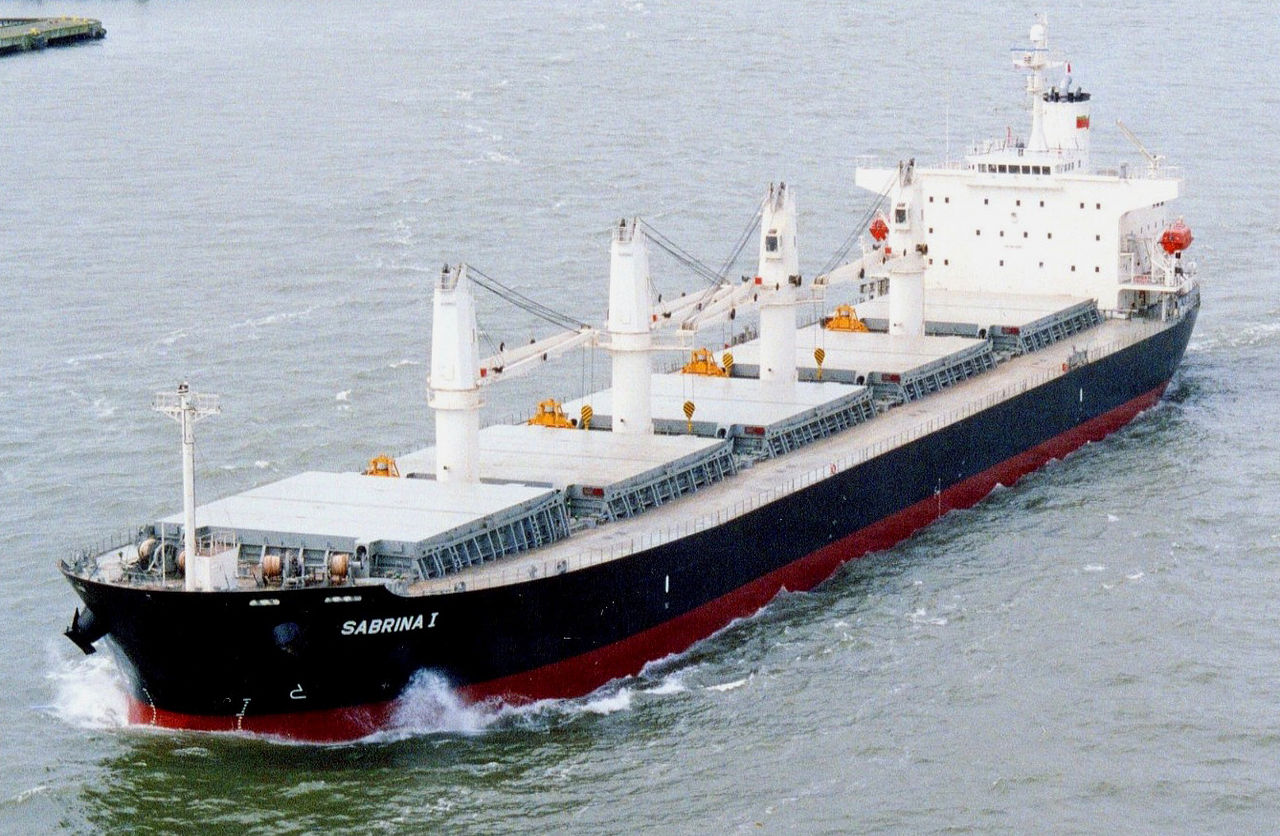
How to Become a Merchant Seaman
Becoming a merchant seaman requires a structured approach involving education, training, certification, and sea service. This guide provides a complete step-by-step pathway for anyone aspiring to join the Merchant Navy and build a career at sea.
The global shipping industry needs approximately 89,000 additional officers annually to maintain current trade levels BIMCO, 2021]. This demand creates excellent opportunities for motivated individuals worldwide.
Before You Begin
Before starting your journey to become a merchant seaman, ensure you meet the following prerequisites:
Prerequisites
- Minimum age: 17 years (for academy admission), 18 years (for sea service)
- Educational background: Completion of secondary education (10+2 or equivalent) with Physics, Chemistry, and Mathematics
- Medical fitness: No chronic illnesses, normal vision (6/6), normal hearing, no color blindness
- Language proficiency: Good command of English (IELTS 5.5 or higher recommended for international careers)
- Swimming ability: Basic swimming skills are mandatory for safety training
Required Documents
- Valid passport
- Birth certificate
- Educational certificates (marksheets and degree/diploma)
- Medical fitness certificate from an approved maritime doctor
- Police clearance certificate (for CDC application)
- Passport-sized photographs
Estimated Timeline
| Pathway | Duration |
|---|---|
| Bachelor's degree (Nautical Science / Marine Engineering) | 3-4 years |
| Diploma program | 1-3 years |
| Rating (entry-level crew) | 6-12 months |
| STCW Basic Safety Training only | 2-4 weeks |
Estimated Cost
- Maritime academy (degree): $10,000 - $40,000 depending on country and institution
- STCW Basic Safety Training: $500 - $2,000
- Certificate of Competency examinations: $200 - $1,000 per level
Step 1: Complete Your Secondary Education
The first step to becoming a merchant seaman is completing your secondary education with the required subjects. Most maritime academies and training institutes require Physics, Chemistry, and Mathematics (PCM) as core subjects.
Objective
Establish the academic foundation required for admission to maritime education programs.
Instructions
- Complete 10+2 (or equivalent) from a recognized board or institution.
- Achieve a minimum of 60% aggregate marks in PCM (requirements vary by institution and country).
- If you have completed a diploma in engineering, you may be eligible for lateral entry into certain maritime programs.
- Improve your English language skills through additional courses if needed.
Why This Step Matters
Maritime education programs are academically rigorous. Strong performance in PCM subjects demonstrates your ability to handle the technical curriculum, which includes naval architecture, marine engineering, navigation mathematics, and physics-based problem solving.
Pro Tips
- Focus on achieving high marks in Mathematics and Physics, as these carry the most weight during admissions.
- Consider taking additional courses in computer science, as modern ships use advanced digital navigation and automation systems.
- Join maritime-related forums and online communities to understand the industry before committing.
Common Mistakes
- Ignoring English proficiency: Many training programs and shipping companies require strong English communication skills.
- Choosing the wrong stream: Students from non-science backgrounds may find it difficult to meet eligibility requirements.
Step 2: Choose Your Career Path
Decide whether you want to pursue an officer career or join as a rating. This decision determines the type of training program you need.
Objective
Select the career path that aligns with your educational background, financial resources, and career goals.
Instructions
- Officer Path (Deck or Engine): Requires a 3-4 year degree or diploma program at a recognized maritime academy. Leads to senior positions with higher salaries.
- Rating Path (GP Rating): Requires a 6-12 month training program. Suitable for candidates with limited financial resources. Leads to positions like able seaman, motorman, or fitter.
- Electro-Technical Officer (ETO): Requires an electrical or electronics engineering background with additional maritime training.
Why This Step Matters
Your chosen path determines your investment in time and money, your earning potential, and your long-term career trajectory. Officers earn significantly more but require greater upfront investment.
Pro Tips
- If you have strong academic records and financial support, pursue the officer path for maximum career growth.
- If you have limited resources, start as a rating and upgrade your certifications later.
- Research the demand for each role in your target country before deciding.
Common Mistakes
- Choosing based solely on salary: Consider your aptitude for navigation (deck) versus mechanical work (engine).
- Ignoring job market trends: Some specializations have higher demand than others.
Step 3: Enroll in a Maritime Academy
Select and enroll in a maritime academy or training institute approved by your country's maritime administration. The institution must meet STCW standards and be recognized by the International Maritime Organization (IMO).
Objective
Gain the theoretical knowledge and practical training required for a maritime career.
Instructions
- Research maritime academies in your country or abroad.
- Verify that the institution is approved by the Directorate General of Shipping (or equivalent authority).
- Submit applications with required documents before the deadline.
- Appear for entrance examinations and interviews as required.
- Complete the admission process and pay the required fees.
Why This Step Matters
Only graduates from approved maritime academies are eligible to appear for Certificate of Competency examinations. Choosing an unapproved institute wastes time and money.
Pro Tips
- Visit the campus if possible to inspect facilities, simulators, and training vessels.
- Check the institute's placement record with shipping companies.
- Look for institutions with strong industry partnerships and cadet sponsorship programs.
Common Mistakes
- Enrolling in unapproved institutes: Many fake maritime academies operate without proper approvals.
- Ignoring placement records: An institute with poor placement history will make it harder to find your first job.
Step 4: Complete STCW Basic Safety Training
All merchant seamen must complete mandatory STCW Basic Safety Training (BST) before joining a vessel. This training is non-negotiable and required by international law.
Objective
Obtain the four mandatory STCW certificates required for all seafarers.
Instructions
- Enroll in an STCW-approved training center.
- Complete the following four modules:
- Personal Survival Techniques (PST): Learn to use life rafts, life jackets, and survival equipment.
- Fire Prevention and Fire Fighting (FPFF): Learn to use fire extinguishers, fire hoses, and breathing apparatus.
- Elementary First Aid (EFA): Learn basic medical emergency response.
- Personal Safety and Social Responsibilities (PSSR): Understand shipboard safety procedures and environmental protection.
- Pass all assessments and obtain your STCW certificates.
Why This Step Matters
Without STCW BST certificates, you cannot legally work on any commercial vessel. These certificates are valid for five years and must be renewed through refresher training.
Pro Tips
- Complete BST training at a center that also offers advanced STCW courses to save time later.
- Keep digital and physical copies of all certificates in a safe place.
Common Mistakes
- Letting certificates expire: Monitor expiry dates and complete refresher training before they lapse.
- Losing original certificates: Replacement is time-consuming and expensive.
Step 5: Apply for a Cadetship or Entry-Level Position
Secure a position with a shipping company or manning agency to begin your sea service. This is often the most challenging step for new entrants.
Objective
Obtain a contract with a shipping company to complete mandatory sea service.
Instructions
- Prepare a professional maritime resume highlighting your training and certifications.
- Register with reputable manning agencies in your country.
- Apply directly to shipping companies through their career portals.
- Attend interviews and assessments conducted by company representatives.
- Accept a contract and complete pre-joining formalities (visa, medical, travel arrangements).
Why This Step Matters
Sea service is a mandatory requirement for obtaining your Certificate of Competency. Without a contract, you cannot progress in your career.
Pro Tips
- Build a professional network through maritime forums, LinkedIn, and industry events.
- Be flexible about vessel type and trade routes for your first contract.
- Consider joining companies that offer cadet sponsorship programs.
Common Mistakes
- Paying illegal placement fees: Reputable manning agencies do not charge candidates for placement.
- Accepting contracts without proper documentation: Ensure your employment contract clearly states salary, leave, and working conditions.
Step 6: Complete Sea Service and Obtain Your CoC
After completing the required sea service, apply for your Certificate of Competency (CoC) examination. This is the final step to becoming a certified merchant seaman officer.
Objective
Pass the CoC examination and obtain your license to serve at your qualified rank.
Instructions
- Complete the minimum sea service required for your rank (typically 12-36 months depending on the certificate).
- Maintain a detailed sea service record signed by the Master.
- Prepare for the CoC examination using approved study materials and coaching.
- Appear for the oral and written examinations conducted by the maritime administration.
- Upon passing, receive your CoC and proceed to your next rank.
Why This Step Matters
Your CoC is your professional license. Without it, you cannot serve as an officer on any commercial vessel. Higher ranks require progressively advanced CoCs.
Pro Tips
- Study consistently during your sea service rather than cramming before the exam.
- Use your onboard time to learn from senior officers and ask questions.
- Keep a personal log of all machinery, navigation equipment, and procedures you encounter.
Common Mistakes
- Insufficient sea service documentation: Incomplete records can delay your CoC application.
- Failing to prepare for oral exams: The oral examination tests practical knowledge and decision-making under pressure.
After Completion
How to Verify Success
- You will receive your CoC certificate from the maritime administration.
- Your name will be registered in the national seafarer database.
- You can now apply for positions at your qualified rank.
Expected Outcome
You are now a certified merchant seaman officer eligible to serve on commercial vessels worldwide. Your CoC is recognized by all flag states that are signatories to the STCW Convention.
Next Recommended Actions
- Apply for positions at your new rank with higher salary.
- Begin planning for your next CoC upgrade.
- Consider specialized training for specific vessel types (tankers, LNG, etc.).
Troubleshooting
| Problem | Possible Cause | Solution |
|---|---|---|
| Cannot find a cadetship | Limited industry connections | Register with multiple manning agencies; consider joining a smaller company first |
| Medical examination failure | Undiagnosed condition | Consult a specialist; some conditions can be treated or managed |
| CoC exam failure | Insufficient preparation | Enroll in a coaching program; request additional sea service for practical experience |
| Certificate expiry | Missed renewal deadline | Complete refresher training as soon as possible |
Best Practices
- Start early: Begin researching maritime careers and academies at least one year before completing your secondary education.
- Build a strong network: Connect with maritime professionals on LinkedIn and attend industry events.
- Maintain physical fitness: Regular exercise helps meet medical standards and handle the physical demands of sea life.
- Document everything: Keep organized records of all certificates, sea service, and training.
- Stay updated: Maritime regulations change frequently; subscribe to industry publications and updates from your maritime administration.
Safety Considerations
- Always verify the safety record of any shipping company before accepting a contract.
- Ensure your vessel complies with SOLAS and MLC 2006 standards.
- Never compromise on safety procedures, even if it causes operational delays.
- Report any safety concerns to the Master or designated safety officer immediately.
Frequently Asked Questions
Can I become a merchant seaman without a degree?
Yes, you can join as a rating (entry-level crew) with only STCW Basic Safety Training. However, officer positions require a degree or diploma from a recognized maritime academy.
How long does it take to become a merchant seaman?
The timeline varies: 3-4 years for a degree program, 1-3 years for a diploma, and 6-12 months for rating training. Additional time is needed for sea service and CoC examinations.
What is the minimum age to become a merchant seaman?
The minimum age for sea service is 18 years. Maritime academies typically accept students from 17 years of age.
Can I become a merchant seaman after 12th?
Yes, completing 10+2 with Physics, Chemistry, and Mathematics is the standard entry requirement for most maritime programs.
Is swimming mandatory for merchant seamen?
Yes, basic swimming ability is required for STCW Basic Safety Training. You must be able to swim at least 50 meters and tread water for 5 minutes.
How much does it cost to become a merchant seaman?
Costs range from $500 for basic STCW training to $40,000 for a full degree program at a premium maritime academy. Some shipping companies offer sponsored cadetships that cover training costs.
Related Resources
- Merchant Seaman Requirements - Complete eligibility checklist
- Merchant Seaman Courses - Detailed course information
- Merchant Seaman Certifications - All required certificates
- Best Merchant Seaman Training Institutes - Top academies ranked
- STCW Training for Merchant Seamen - STCW requirements explained
Conclusion
Becoming a merchant seaman is a structured process that requires dedication, investment, and persistence. By following the six steps outlined in this guide, you can navigate the pathway from secondary education to a certified maritime professional. The industry offers rewarding careers with competitive salaries, global travel, and clear progression opportunities. Start your journey today by researching maritime academies and preparing your application.
References & Citations
- [BIMCO, 2021] BIMCO/ICS. "Seafarer Workforce Report 2021."
- [STCW Code, 2010] International Maritime Organization. "STCW Convention and Code, 2010 Manila Amendments."
- MLC, 2006] International Labour Organization. "Maritime Labour Convention, 2006."
- SOLAS, 1974] International Maritime Organization. "International Convention for the Safety of Life at Sea."