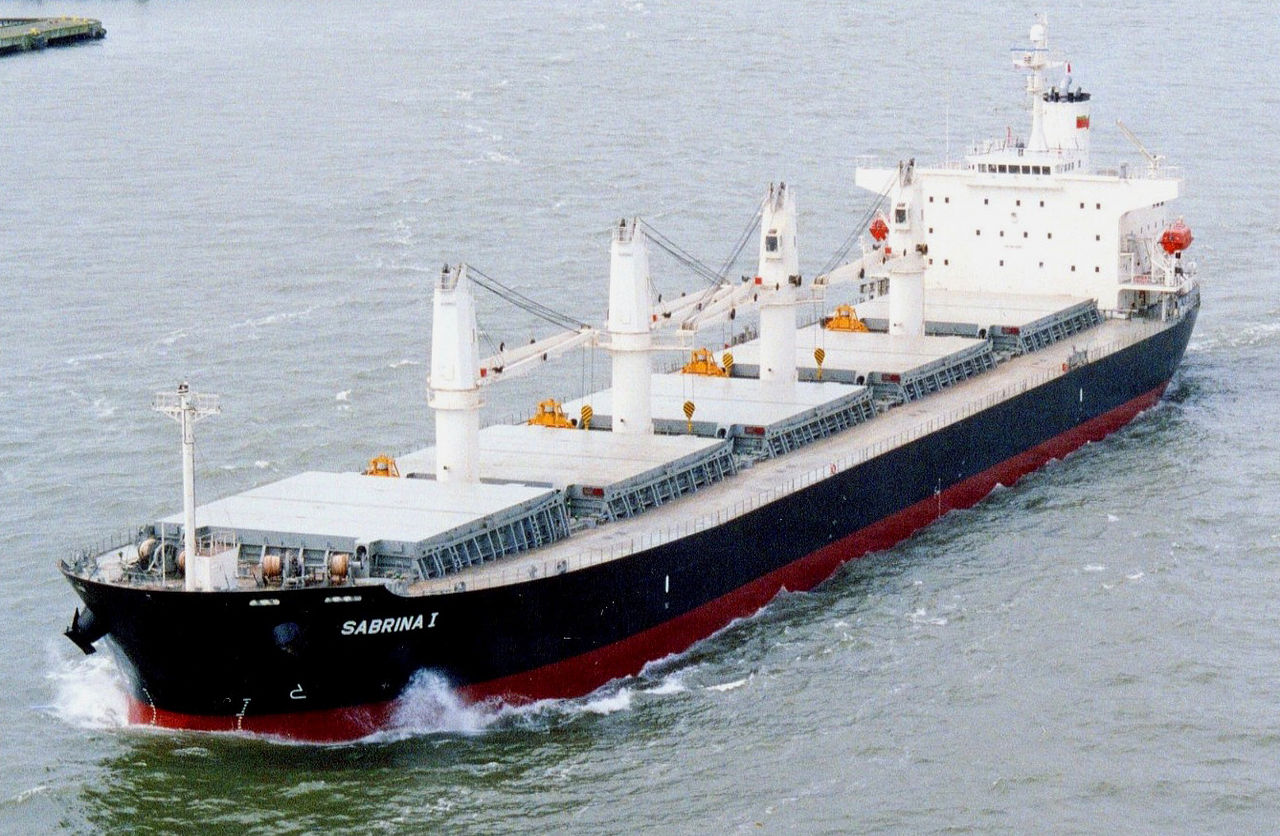
Merchant Seaman Training
Merchant seaman training is a structured process that combines classroom education, practical simulations, and supervised sea service to produce competent maritime professionals. The International Convention on Standards of Training, Certification and Watchkeeping for Seafarers (STCW) mandates the minimum training standards for all seafarers worldwide [STCW Code, 2010].
Training pathways vary by career goal, department, and country, but all share the common objective of ensuring seafarers can operate vessels safely and efficiently.
Before You Begin
Prerequisites
- Educational qualification: 10+2 with Physics, Chemistry, and Mathematics (minimum 60% aggregate for officer programs)
- Medical fitness: Valid medical certificate from an approved maritime medical practitioner
- Age: Minimum 17 years for academy admission, 18 years for sea service
- Language proficiency: English language skills (IELTS 5.5 or equivalent recommended)
- Swimming ability: Basic swimming skills required for STCW training
Required Documents
- Educational certificates (marksheets and degree/diploma)
- Valid passport
- Medical fitness certificate
- Police clearance certificate
Estimated Timeline
| Training Pathway | Duration |
|---|---|
| Bachelor's degree (Nautical Science) | 3 years |
| Bachelor's degree (Marine Engineering) | 4 years |
| Diploma in Nautical Science | 1-2 years |
| Diploma in Marine Engineering | 1-3 years |
| GP Rating program | 6-12 months |
| STCW Basic Safety Training | 2-4 weeks |
Estimated Cost
- Maritime academy degree: $10,000 - $40,000
- Diploma programs: $5,000 - $15,000
- STCW Basic Safety Training: $500 - $2,000
- Advanced STCW courses: $300 - $1,000 per course
Step 1: Choose Your Training Pathway
The first step is selecting the appropriate training pathway based on your career goals, educational background, and financial resources.
Objective
Select the training program that aligns with your desired career path and eligibility.
Instructions
- Officer Pathway (Deck): Enroll in a B.Sc. Nautical Science or Diploma in Nautical Science program at an approved maritime academy.
- Officer Pathway (Engine): Enroll in a B.E. Marine Engineering or Diploma in Marine Engineering program.
- Rating Pathway: Enroll in a GP Rating program that covers both deck and engine basic duties.
- Electro-Technical Officer: Enroll in an ETO program if you have an electrical or electronics engineering background.
Why This Step Matters
Your training pathway determines your qualifications, career progression, and earning potential. Choosing the wrong pathway can waste time and resources.
Pro Tips
- Research the placement record of maritime academies before enrolling.
- Consider sponsored cadet programs offered by shipping companies to reduce training costs.
- Verify that the institution is approved by your country's maritime administration.
Common Mistakes
- Choosing based on cost alone: Cheaper programs may lack quality training facilities or industry recognition.
- Ignoring accreditation: Graduating from an unapproved institution prevents you from obtaining a CoC.
Step 2: Complete Maritime Academy Education
Maritime academy education provides the theoretical foundation and practical skills required for a maritime career.
Objective
Complete the academic curriculum and practical training required for your chosen pathway.
Instructions
- Classroom Instruction: Attend lectures covering navigation, cargo operations, marine engineering, maritime law, and safety management.
- Simulator Training: Complete simulator-based training for radar navigation, engine room operations, cargo handling, and bridge resource management.
- Workshop Training: Gain hands-on experience in welding, pipe fitting, electrical systems, and machinery maintenance.
- Laboratory Work: Perform experiments in marine thermodynamics, fluid mechanics, and material science laboratories.
- Examinations: Pass internal assessments and semester examinations to progress through the program.
Why This Step Matters
Maritime academy education provides the mandatory theoretical knowledge required for CoC examinations. Without this foundation, you cannot progress to higher certifications.
Pro Tips
- Focus on understanding concepts rather than memorization, as CoC exams test practical application.
- Participate actively in simulator sessions to build confidence in bridge and engine room operations.
- Build relationships with faculty who can provide references for job applications.
Common Mistakes
- Neglecting simulator training: Simulator sessions are critical for developing practical skills.
- Poor attendance: Maritime academies have strict attendance requirements for CoC eligibility.
Step 3: Obtain STCW Certifications
All merchant seamen must complete mandatory STCW certifications before joining a vessel. These certifications validate competence in safety procedures.
Objective
Obtain all required STCW certificates for your chosen career path.
Instructions
- Basic Safety Training (BST): Complete four mandatory modules:
- Personal Survival Techniques (PST)
- Fire Prevention and Fire Fighting (FPFF)
- Elementary First Aid (EFA)
- Personal Safety and Social Responsibilities (PSSR)
- Advanced Certifications (Officers): Complete additional STCW courses:
- Proficiency in Survival Craft (PSC)
- Advanced Fire Fighting (AFF)
- Medical First Aid (MFA)
- Specialized Certifications: Complete certifications required for specific vessel types or equipment.
Why This Step Matters
STCW certifications are legally mandatory for all seafarers. Without them, you cannot work on any commercial vessel.
Pro Tips
- Complete BST training at a center that offers advanced courses to save time.
- Keep digital copies of all certificates in cloud storage and physical copies in a safety deposit box.
- Monitor certificate expiry dates and plan refresher training in advance.
Common Mistakes
- Letting certificates expire: Expired STCW certificates require full retraining, not just refresher courses.
- Losing certificates: Replacement involves fees and processing time with the issuing authority.
Step 4: Complete Sea Service Training
Sea service training is a mandatory component of merchant seaman training where cadets apply their knowledge in real-world conditions.
Objective
Accumulate the required sea service under the supervision of experienced officers.
Instructions
- Join a Vessel: Report to your assigned vessel with all required documents and certificates.
- Complete Training Record Book: Document all tasks, experiences, and assessments in your official Training Record Book (TRB).
- Rotate Through Departments: Gain exposure to different operational areas including navigation, cargo, engineering, and safety.
- Learn from Senior Officers: Observe and assist senior officers in their daily duties.
- Prepare for CoC Examinations: Study consistently during sea service to prepare for upcoming CoC exams.
Why This Step Matters
Sea service is a mandatory requirement for CoC eligibility. Without documented sea service, you cannot apply for CoC examinations.
Pro Tips
- Maintain a detailed personal log of all experiences, including equipment you operated and procedures you performed.
- Ask questions and seek clarification from senior officers.
- Volunteer for additional duties to gain broader experience.
Common Mistakes
- Incomplete TRB documentation: Insufficient records can delay CoC applications.
- Not studying during sea service: Sea service time should be used for exam preparation.
Step 5: Pass CoC Examinations
The final training step is passing your Certificate of Competency (CoC) examinations administered by your country's maritime administration.
Objective
Pass the written and oral examinations to obtain your CoC.
Instructions
- Apply for Examination: Submit your application with required documentation and examination fees.
- Written Examination: Appear for written exams covering theoretical knowledge in navigation, cargo operations, marine engineering, and maritime regulations.
- Oral Examination: Appear for an oral exam that tests practical decision-making, situational awareness, and application of knowledge.
- Receive CoC: Upon passing, receive your CoC certificate from the maritime administration.
Why This Step Matters
Your CoC is your professional license. It certifies your competence to serve at a specific rank on commercial vessels.
Pro Tips
- Enroll in CoC coaching programs offered by maritime academies or private institutes.
- Practice oral exam scenarios with senior officers during sea service.
- Review past examination papers to understand the format and question types.
Common Mistakes
- Underestimating oral exams: The oral examination requires practical knowledge, not just theoretical understanding.
- Insufficient preparation: CoC exams have high failure rates without adequate preparation.
After Completion
How to Verify Success
- You will receive your CoC certificate from the maritime administration.
- Your qualification will be registered in the national seafarer database.
- You can now apply for positions at your qualified rank.
Expected Outcome
You are now a certified merchant seaman officer with the qualifications to serve on commercial vessels worldwide.
Next Recommended Actions
- Apply for positions at your new rank.
- Plan your next CoC upgrade training.
- Consider specialized training for specific vessel types.
Troubleshooting
| Problem | Possible Cause | Solution |
|---|---|---|
| Academy not recognized | Unapproved institution | Verify approval status before enrollment |
| STCW certificate expired | Missed renewal | Complete refresher training immediately |
| CoC exam failure | Insufficient preparation | Enroll in coaching program; request additional study time |
| Sea service not accepted | Incomplete documentation | Ensure TRB entries are properly signed by the Master |
Best Practices
- Start training early: Begin researching maritime academies at least one year before completing secondary education.
- Choose an approved institution: Verify approval status with your national maritime administration before enrolling.
- Document everything: Maintain organized records of all training, certificates, and sea service.
- Stay current: Maritime regulations and technology evolve continuously. Pursue ongoing professional development.
- Network actively: Build relationships with classmates, faculty, and industry professionals.
Frequently Asked Questions
How long does merchant seaman training take?
The full training pathway takes 3-5 years for officer programs and 6-12 months for rating programs. This includes academy education, STCW certifications, and sea service.
Can I complete training online?
Some theoretical components can be completed online, but practical training including simulator sessions, workshops, and sea service must be completed in person.
Is STCW training valid in all countries?
Yes, STCW certifications are recognized by all 160+ countries that are signatories to the STCW Convention. However, some countries may require additional endorsements.
How often do I need refresher training?
STCW certificates are valid for 5 years. Medical certificates are valid for 2 years (1 year for seafarers over 40). CoCs require renewal every 5 years with continued sea service.
Can I transfer my training to a different country?
Many countries have mutual recognition agreements, but you may need additional assessments or examinations to convert your qualifications.
Related Resources
- How to Become a Merchant Seaman
- Merchant Seaman Requirements
- Merchant Seaman Courses
- STCW Training for Merchant Seamen
- Best Merchant Seaman Training Institutes
Conclusion
Merchant seaman training is a comprehensive process that combines academic education, practical simulation, mandatory certifications, and supervised sea service. By following the structured pathway outlined in this guide and choosing an approved training institution, you can build the qualifications needed for a successful maritime career.
References & Citations
- [STCW Code, 2010] International Maritime Organization. "STCW Convention and Code, 2010 Manila Amendments."
- [MLC, 2006] International Labour Organization. "Maritime Labour Convention, 2006."
- [IMO, 2023] International Maritime Organization. "Model Courses for Maritime Training."