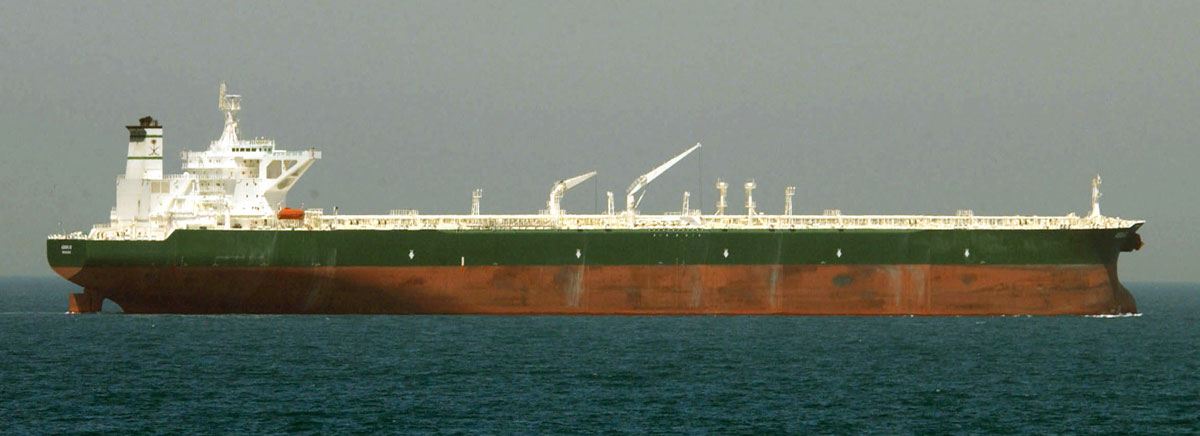
Fastest Container Ships
Fastest container ships are specialized high-speed cargo vessels designed to transport goods quickly across oceans, with top speeds significantly exceeding those of standard container ships. While most modern container ships operate at 20–25 knots, some historic and modern vessels have achieved remarkable speeds, revolutionizing the concept of fast maritime cargo transport. This guide explores the world's fastest container ships, their design, history, and the trade-offs between speed and efficiency.
Why Fastest Container Ships Matter
Speed in shipping directly impacts transit times and supply chain reliability. The fastest container ships can reduce cross-ocean voyages by days, which is critical for time-sensitive cargo like perishables, high-value goods, and urgent supplies. However, high-speed operation comes with significant trade-offs in fuel consumption and emissions [IMO, 2023].
Who Should Use This Guide
This guide is for maritime professionals, logistics managers, shipping industry enthusiasts, and anyone interested in the technical specifications and history of high-speed container ships. It covers both historic and modern vessels, their design features, and the practical implications of fast shipping.
What You Will Learn
- The top fastest container ships ever built
- Key design features that enable high-speed operation
- The history of fast container shipping
- Trade-offs between speed, fuel consumption, and emissions
- Modern approaches to balancing speed and efficiency
Before You Begin
Prerequisites
No prior maritime knowledge is required, but familiarity with basic shipping terminology will help.
Key Terms
- Knot: One nautical mile per hour (1.15 statute miles per hour or 1.852 kilometers per hour)
- Design Speed: The maximum speed a ship is designed to achieve under ideal conditions
- Service Speed: The typical operating speed of a ship in normal conditions
- SL-7 Class: A historic class of high-speed container ships built in the 1970s
- Slow Steaming: Operating a ship at reduced speed to save fuel and reduce emissions
Step-by-Step Guide: Understanding the Fastest Container Ships
Step 1: What Are the Fastest Container Ships Ever Built?
Objective: Identify the record-breaking container ships and their top speeds.
Instructions:
The title of "fastest container ships" belongs primarily to the SL-7 class container ships, later converted into Algol-class vehicle cargo ships by the U.S. Navy. Built in West Germany and Holland between 1971–1973 for Sea-Land Services, these 41,127 gross ton vessels had a service speed of 33 knots (61.12 km/h; 37.98 mph) and measured 288.4 meters long with a beam of 32.26 meters. They could carry 2,192 TEU [Guinness World Records, 1972].
Notable achievements of SL-7 class ships include:
- Sea-Land Exchange crossing the Atlantic eastbound at 34.97 knots in August 1973
- Sea-Land Commerce setting the Pacific record at 33.216 knots
- One vessel reportedly reaching 38 knots during post-refit trials
A more modern example is the Maersk Boston, a 294-meter container ship capable of 37 knots [Casual Navigation, 2024].
Why This Step Matters:
Understanding the fastest container ships provides context for the evolution of maritime speed capabilities and the trade-offs between speed and practicality.
Pro Tips:
- The SL-7 class ships are often cited as the fastest container ships ever built
- Most high-speed container ships were constructed before the 1973 oil crisis
- Modern container ships prioritize efficiency over raw speed
Common Mistakes:
- Confusing design speed with typical operating speed
- Assuming modern container ships are faster than historic high-speed vessels
Example:
The Sea-Land Galloway (an SL-7 class ship) and its seven sisters could transit from the U.S. East Coast to Europe in just six days at their service speed of 33 knots.
Step 2: What Design Features Enable High-Speed Operation?
Objective: Learn the key engineering and design characteristics of the fastest container ships.
Instructions:
High-speed container ships require specialized design features:
- Powerful Propulsion Systems: The SL-7 class used two steam turbines developing 120,000 shaft horsepower
- Efficient Hull Design: Long, slender hulls to reduce water resistance
- Lightweight Construction: Using materials that balance strength and weight
- High-Performance Propulsion: Optimized propellers and propulsion systems
- Aerodynamic Superstructure: Reducing air resistance at high speeds
Modern high-speed container ships may use diesel-electric propulsion or gas turbines for improved efficiency at high speeds, though they still prioritize efficiency over maximum speed.
Why This Step Matters:
These design features explain how the fastest container ships achieve their remarkable speeds and why they are no longer economically practical today.
Pro Tips:
- High-speed ships require exponentially more power as speed increases
- Hull design is critical for reducing water resistance at high speeds
- Steam turbines were common in high-speed ships of the 1970s
Common Mistakes:
- Assuming engine power is the only factor in ship speed
- Ignoring the impact of hull design on speed and efficiency
Step 3: Why Did Fast Container Ships Decline in Popularity?
Objective: Understand the economic and environmental factors that led to the decline of high-speed container shipping.
Instructions:
The 1973 oil crisis marked the end of the era of the fastest container ships. Key reasons include:
- Exponential Fuel Consumption: Fuel consumption increases with the cube of speed, meaning doubling speed increases fuel use by 8 times [IMO, 2023]
- Rising Fuel Costs: Oil prices rose dramatically in the 1970s, making high-speed operation uneconomical
- Environmental Concerns: Higher speeds mean higher greenhouse gas emissions
- Economies of Scale: Larger, slower ships became more cost-effective for transporting large volumes of cargo
The SL-7 class ships were sold to the U.S. Navy in 1981–1982 and converted into fast military transports.
Why This Step Matters:
Understanding why fast container ships declined helps explain modern shipping practices, which prioritize efficiency and sustainability over raw speed.
Pro Tips:
- Slow steaming (18–20 knots) is now standard practice in the industry
- The cube law of fuel consumption is the primary reason ships don't operate at maximum speed
- Modern shipping focuses on economies of scale rather than speed
Common Mistakes:
- Believing high-speed shipping is still common today
- Underestimating the fuel cost impact of high-speed operation
Step 4: What Are Modern Approaches to Balancing Speed and Efficiency?
Objective: Learn how modern shipping companies optimize speed without sacrificing efficiency.
Instructions:
Modern shipping companies use several strategies to balance speed and efficiency:
- Slow Steaming: Operating at 18–20 knots to save fuel and reduce emissions
- Weather Routing: Using software to choose the best route and speed based on weather conditions
- Speed Optimization: Adjusting speed based on fuel prices, schedule requirements, and emissions targets
- Energy Efficiency Measures: Using technologies like waste heat recovery systems and efficient hull coatings
- Alternative Fuels: Exploring LNG, biofuels, and hydrogen to reduce emissions while maintaining reasonable speeds
While modern container ships don't match the top speeds of the SL-7 class, they are far more efficient and environmentally sustainable.
Why This Step Matters:
These strategies define modern shipping operations, balancing cost, schedule, and environmental impact.
Pro Tips:
- Slow steaming can reduce fuel consumption by 30–50%
- Weather routing software optimizes both speed and route
- Modern engines are more efficient at lower speeds
Common Mistakes:
- Assuming slower ships are always less efficient
- Ignoring the environmental benefits of speed optimization
Step 5: What Is the Future of Fast Container Shipping?
Objective: Explore potential future developments in high-speed container shipping.
Instructions:
While it's unlikely we'll see a return to the 33+ knot speeds of the SL-7 class, several emerging technologies could enable faster, more efficient shipping:
- Hydrogen Fuel Cells: Zero-emission propulsion that could enable higher speeds without environmental impact
- Advanced Hull Designs: Air lubrication systems and optimized hull forms to reduce resistance
- Wind-Assisted Propulsion: Sails and rotors to supplement engine power and reduce fuel consumption
- Autonomous Ships: Optimized routing and speed control through AI and automation
The International Maritime Organization (IMO) has set targets to reduce greenhouse gas emissions from shipping by at least 50% by 2050 compared to 2008 levels, which will drive future innovations in speed and efficiency [IMO, 2023].
Why This Step Matters:
Future technologies could transform how we balance speed and sustainability in container shipping.
Pro Tips:
- Sustainability will be the primary driver of future shipping innovations
- Alternative fuels will play a key role in enabling faster, cleaner shipping
- Autonomous systems could optimize speed and route more effectively than human operators
Common Mistakes:
- Assuming future ships will just be faster versions of today's vessels
- Ignoring the role of sustainability in shaping future shipping technology
After Completion
How to Verify Success
You now understand the world's fastest container ships, their design features, the history of high-speed shipping, and modern approaches to balancing speed and efficiency.
Expected Outcome
You can identify the fastest container ships ever built, explain their design characteristics, discuss why high-speed shipping declined, and describe modern strategies for optimizing speed and efficiency.
Next Recommended Actions
- Read "Container Ship Speed" to learn more about typical container ship speeds and slow steaming
- Explore "Types of Container Ships" to understand different vessel size categories
- Check "Container Ship Design Explained" to learn about modern hull design and efficiency
- Review "Why Container Ships Changed Global Trade" to understand the broader impact of container shipping
Troubleshooting
Common Problem: Confusing Knots with Miles per Hour
Possible Cause: Unfamiliarity with maritime units of measurement
Solution: Remember that 1 knot = 1.15 statute miles per hour = 1.852 kilometers per hour
Common Problem: Understanding Why Ships Don't Operate at Maximum Speed
Possible Cause: Not considering the exponential relationship between speed and fuel consumption
Solution: Remember the cube law of fuel consumption—doubling speed increases fuel use by 8 times
Common Problem: Identifying the Fastest Container Ships
Possible Cause: Confusing military transport ships with container ships
Solution: The SL-7 class ships were originally built as container ships before being converted to military use
Best Practices
For Maritime Professionals
- Use slow steaming as standard practice to reduce fuel costs and emissions
- Invest in weather routing software to optimize speed and route
- Stay informed about emerging technologies for more efficient shipping
For Logistics Managers
- Build buffer time into schedules to account for slow steaming
- Work with shipping companies to understand speed vs. cost trade-offs
- Consider environmental factors when choosing shipping options
For the Industry
- Support research into alternative fuels and energy-efficient technologies
- Advocate for sustainable shipping practices
- Balance speed requirements with environmental and economic considerations
Safety Considerations
While speed can be beneficial for transit times, safety must always be the top priority:
- Avoid excessive speed in congested waters: Reduce speed to 6–10 knots near ports and in busy sea lanes
- Maintain safe speed at all times: Follow COLREGs requirements for safe speed based on visibility, traffic, and conditions
- Monitor weather conditions: Adjust speed based on weather to ensure safe operations
- Ensure maneuverability: High-speed ships require more space to stop and turn
Frequently Asked Questions
What is the fastest container ship ever built?
The SL-7 class container ships (later converted into Algol-class military transports) are widely recognized as the fastest container ships ever built, with a service speed of 33 knots and record speeds up to 38 knots during trials [Guinness World Records, 1972].
How fast can the fastest container ships go?
The SL-7 class had a service speed of 33 knots, with Sea-Land Exchange reaching 34.97 knots across the Atlantic and one vessel reportedly hitting 38 knots during post-refit trials. The modern Maersk Boston is capable of 37 knots [Casual Navigation, 2024].
Why don't modern container ships operate at high speeds?
Modern container ships prioritize efficiency and sustainability over raw speed. Fuel consumption increases with the cube of speed, making high-speed operation uneconomical and environmentally harmful [IMO, 2023].
What was the SL-7 class?
The SL-7 class was a group of eight high-speed container ships built in 1971–1973 for Sea-Land Services. They were sold to the U.S. Navy in the 1980s and converted into Algol-class vehicle cargo ships.
Are there any fast container ships in operation today?
While modern container ships don't match the speeds of the SL-7 class, some vessels are designed for faster service. Most operate at 20–25 knots, with slow steaming (18–20 knots) as standard practice.
How does speed affect container ship fuel consumption?
Fuel consumption increases with the cube of speed. Reducing speed by 10% cuts fuel consumption by about 27%, and reducing speed by 20% cuts it by about 49% [IMO, 2023].
What is the future of fast container shipping?
The future of fast container shipping will likely focus on sustainability rather than raw speed. Emerging technologies like hydrogen fuel cells, wind-assisted propulsion, and advanced hull designs could enable faster, cleaner shipping in the future.
Can container ships go faster than cruise ships?
Some historic container ships (like the SL-7 class) were faster than most modern cruise ships. The SL-7 class could reach 33 knots, while most cruise ships operate at 20–25 knots.
What are the trade-offs of high-speed shipping?
High-speed shipping reduces transit times but increases fuel consumption, greenhouse gas emissions, and operating costs. It also puts more stress on ship engines and systems.
When were the fastest container ships built?
The fastest container ships (the SL-7 class) were built between 1971 and 1973, before the 1973 oil crisis made high-speed operation uneconomical.
Related Resources
- Container Ship Speed
- Types of Container Ships
- Container Ship Design Explained
- Why Container Ships Changed Global Trade
- Ultra-Large Container Ships (ULCVs)
- Parts of a Container Ship
References & Citations
- [Guinness World Records, 1972] Fastest Cargo Ship Record
- [IMO, 2023] Fourth IMO Greenhouse Gas Study
- [Casual Navigation, 2024] Cargo Ship Speed Comparison
- [UNCTAD, 2024] Review of Maritime Transport 2024
- [ICS, 2024] Shipping Industry Efficiency Guidelines
- [BIMCO, 2024] Slow Steaming Best Practices
Conclusion
The fastest container ships in history, particularly the SL-7 class, demonstrated remarkable speed capabilities with service speeds of 33 knots and record speeds approaching 38 knots. However, the 1973 oil crisis and growing environmental concerns made high-speed shipping uneconomical and unsustainable. Today, modern shipping prioritizes efficiency, sustainability, and economies of scale over raw speed, using strategies like slow steaming and weather routing to balance cost, schedule, and environmental impact. While future technologies may enable faster, cleaner shipping, the era of the 33+ knot container ship is likely a thing of the past.