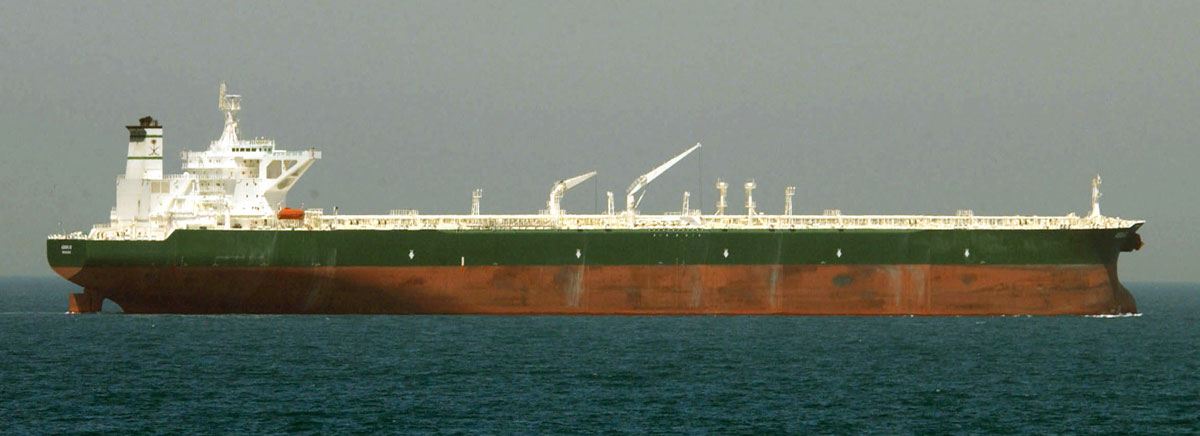
Ro-Ro (Roll-On/Roll-Off) ships are specialized vessels designed to carry wheeled cargo that drives on and off the ship using built-in ramps. These vessels transport everything from passenger cars and trucks to construction equipment, trains, and military vehicles. The global Ro-Ro fleet exceeds 4,000 vessels, with Pure Car and Truck Carriers (PCTCs) being the most common segment [UNCTAD, 2023].
Working on a Ro-Ro ship offers fast-paced cargo operations, frequent port calls, and unique challenges in vehicle stowage and lashing.
What Is a Ro-Ro Ship?
A Ro-Ro ship is a vessel designed to carry cargo that can be driven on and off under its own power. Unlike container ships that require cranes to load and discharge containers, Ro-Ro ships use internal ramps that connect the dock to the vessel's decks, allowing vehicles to drive directly into the ship.
The key advantage of the Ro-Ro system is speed — a PCTC can load or discharge 5,000 vehicles in 8–12 hours, compared to days for equivalent containerized cargo.
Types of Ro-Ro Ships
Pure Car Carriers (PCC) and Pure Car and Truck Carriers (PCTC)
PCCs and PCTCs are the most common Ro-Ro vessels, designed exclusively for transporting vehicles.
- Capacity: 4,000–8,500 cars or equivalent combination of cars and trucks
- Size: 170–230 meters in length
- Decks: 10–14 adjustable vehicle decks
- Crew: 18–25
- Contract rotation: 4–6 months
- Key features: Fixed and hoistable decks, side ramps, stern ramp, ventilation systems for battery-powered vehicles
RoPax (Roll-On/Roll-Off Passenger)
RoPax vessels combine vehicle transport with passenger accommodation on fixed routes.
- Capacity: 2,000–5,000 lane meters for vehicles, 500–3,000 passengers
- Size: 150–250 meters in length
- Crew: 50–200 (including hotel staff)
- Key features: Passenger cabins, restaurants, shops, entertainment areas
- Routes: Short-sea ferry routes (e.g., Dover-Calais, Helsinki-Stockholm)
ConRo (Container and Ro-Ro)
ConRo vessels carry both containers and Ro-Ro cargo, combining a container hold with Ro-Ro decks.
- Capacity: 1,000–2,000 TEU plus Ro-Ro decks
- Crew: 20–25
- Key features: Cell guides for containers, vehicle decks, ramps
Key Design Features
- Stern ramp: Primary loading access at the stern, typically 12–20 meters wide
- Side ramps: For loading at ports without stern ramp facilities
- Hoistable decks: Adjustable-height decks to accommodate different vehicle heights (cars vs. trucks vs. heavy machinery)
- Ventilation systems: High-capacity fans to remove exhaust fumes during loading
- Fire suppression: Water mist and CO2 systems for vehicle decks
- Ballast systems: Critical for maintaining stability during loading and discharge
Cargo Operations
Ro-Ro cargo operations are the fastest of any vessel type but require meticulous planning.
Loading Sequence
- Ramp deployment: Stern or side ramp lowered and secured to the dock
- Vehicle staging: Vehicles arranged in loading order at the terminal
- Initial loading: Commercial vehicles (trucks, buses) driven on first
- Car loading: Passenger cars driven on in sequence
- Lashing: Vehicles secured using cargo lashing systems (wheel straps, chains)
- Deck by deck: Operation repeated for each deck level
Lashing Systems
Vehicle lashing is critical to prevent cargo shifting during heavy weather. Methods include:
- Wheel straps: Nylon straps secured to deck lashing points
- Chains: Heavy-duty chains for trucks and machinery
- Screw jacks: Used for taller vehicles and uneven loads
Working on a Ro-Ro Ship
Deck Department
The deck department on a Ro-Ro ship manages cargo operations, lashing, and ramp systems.
- Chief Officer: Cargo planning, stability calculations, lashing supervision
- Deck officers: Cargo watch during loading/discharge, ramp operations
- Bosun and ABs: Lashing, ramp maintenance, deck maintenance
Engine Department
The engine department maintains the propulsion, ramp hydraulics, and ventilation systems.
- Engineers: Main engine and auxiliary maintenance
- ETO: Ramp control systems, lighting, ventilation fans, fire suppression systems
Work Environment
Ro-Ro ships operate on tight schedules with rapid port turnaround times.
- Port calls: Every 2–4 days on deep-sea routes, daily on short-sea routes
- Loading time: 8–12 hours for a full load of 5,000 vehicles
- Crew activity: Extremely high during port operations; routine maintenance at sea
Advantages and Challenges
Advantages
- Fast-paced operations: No two port calls are the same
- Regular port visits: Crew can explore different destinations
- Modern vessels: PCTCs are typically newer and well-maintained
- Clean cargo: Vehicle cargo does not require extensive hold cleaning
Challenges
- Lashing intensity: Physical demanding lashing work in all weather conditions
- Exhaust fumes: Vehicle decks require heavy ventilation during operations
- Damage liability: Vehicle damage claims require meticulous documentation
- Deck space management: Complex stowage planning for mixed cargo
Frequently Asked Questions
How many cars can a car carrier carry?
The largest PCTCs can carry up to 8,500 cars. Most modern PCTCs carry 6,000–7,500 vehicles when loaded exclusively with passenger cars.
Are cars secured on car carriers?
Yes. Every vehicle is secured using wheel straps or chains attached to lashing points on the deck. A typical car uses 4 lashings, while larger vehicles may require 8–12 lashings.
Do car carriers carry electric vehicles?
Yes, but EVs present unique fire risks. Modern PCTCs are equipped with enhanced temperature monitoring, additional fire suppression systems, and dedicated parking areas for electric vehicles.
What is the difference between PCC and PCTC?
PCC (Pure Car Carrier) is designed for passenger cars only. PCTC (Pure Car and Truck Carrier) has adjustable decks to accommodate taller vehicles like trucks, buses, and heavy machinery.
How long does it take to load a car carrier?
A 6,000-car PCTC can be fully loaded in 8–12 hours, with 3–4 decks being loaded simultaneously using multiple ramps. This is significantly faster than containerized vehicle transport.
Conclusion
Ro-Ro ships offer seafarers a dynamic work environment with fast-paced cargo operations, frequent port visits, and the satisfaction of handling finished vehicles. The physically demanding lashing work requires strong seamanship skills and attention to detail. For seafarers who enjoy rapid turnaround operations and working in a modern vessel environment, Ro-Ro ships provide an excellent career path.
References & Citations
- [UNCTAD, 2023] United Nations Conference on Trade and Development. "Review of Maritime Transport 2023."
- [IMO, 2023] International Maritime Organization. "Ro-Ro Ship Safety Guidelines."
- [IMO, 2021] International Maritime Organization. "International Code for the Safe Carriage of Vehicles."