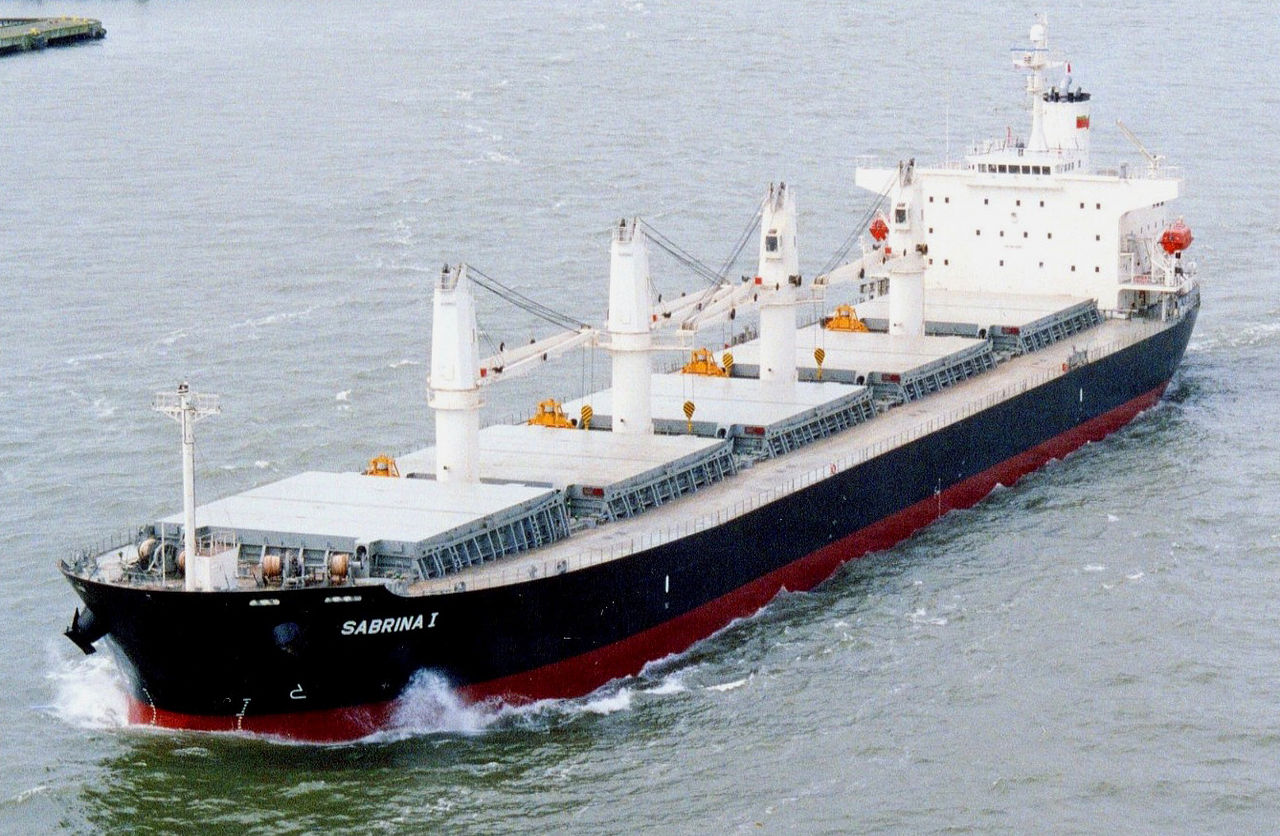
Cruise ships are the largest and most complex passenger vessels in the world, combining maritime operations with full-scale hospitality, entertainment, and hotel management. The largest cruise ships, such as Royal Caribbean's Icon of the Seas (250,800 GT), carry over 7,000 passengers and 2,000 crew members from more than 50 nationalities [CLIA, 2023].
Working on a cruise ship is fundamentally different from cargo vessel employment. It offers unique opportunities in hospitality, entertainment, and guest services alongside traditional maritime roles, with the chance to visit multiple destinations on every itinerary.
What Is a Cruise Ship?
A cruise ship is a passenger vessel designed for leisure travel, featuring accommodation, dining, entertainment, and recreational facilities for paying guests. Unlike ferries that transport passengers from point A to point B, cruise ships operate on fixed itineraries that return to the home port after each voyage.
The modern cruise industry has grown to carry over 30 million passengers annually, with a fleet of over 300 ocean-going cruise ships. Newbuilds regularly exceed 200,000 GT, making them the largest passenger vessels ever constructed.
Departments on a Cruise Ship
Cruise ships are organized into distinct departments, each with its own hierarchy and career structure.
Deck Department
The deck department on a cruise ship handles navigation, safety, and vessel operations, with additional responsibilities for guest-facing activities.
- Master and bridge officers: Navigation, port arrivals/departures, safety compliance
- Safety officers: Lifeboat drills, fire patrols, CCTV monitoring
- Deck crew: Mooring operations, maintenance, gangway security
Engine Department
The engine department maintains the propulsion, electrical, and hotel systems that keep the vessel operating and comfortable.
- Chief Engineer and engineering officers: Main engines, generators, HVAC, water production
- Electrical engineers: Lighting, entertainment systems, elevators
- Plumbing and refrigeration: Fresh and wastewater systems, galley equipment
Hotel Department
The hotel department is the largest department on any cruise ship, responsible for all guest services.
- Food and beverage: Galley (kitchen) staff, waiters, bartenders, buffet attendants
- Housekeeping: Cabin stewards, public area cleaners, laundry staff
- Front office: Guest services, reception, concierge
- Entertainment: Performers, musicians, DJs, cruise directors, activities staff
- Retail and casino: Shop staff, casino dealers, photographers
- Spa and fitness: Masseuses, fitness instructors, salon staff
Crew Roles and Contracts
Maritime Roles
| Rank | Contract Length | Monthly Salary |
|---|---|---|
| Master | 10 weeks on / 10 weeks off | $12,000–$20,000 |
| Chief Officer | 10 weeks on / 10 weeks off | $6,000–$9,000 |
| 3rd Officer | 10 weeks on / 10 weeks off | $3,500–$5,000 |
| Chief Engineer | 10 weeks on / 10 weeks off | $10,000–$18,000 |
| ETO | 10 weeks on / 10 weeks off | $4,000–$7,000 |
Hospitality Roles
| Role | Contract Length | Monthly Salary |
|---|---|---|
| Executive Chef | 6–8 months | $5,000–$9,000 |
| Chef de Partie | 6–8 months | $2,500–$4,000 |
| Head Waiter | 6–8 months | $2,500–$4,500 |
| Cabin Steward | 6–9 months | $1,500–$2,500 |
| Cruise Director | 4–6 months | $5,000–$10,000 |
| Entertainer | 4–6 months | $2,000–$5,000 |
Cruise ship contracts are shorter than cargo vessel contracts (10–12 weeks for officers, 6–9 months for hospitality staff), and many roles offer the opportunity to extend or renew immediately.
Working Conditions
Accommodation
Crew accommodation on cruise ships is significantly different from cargo vessels:
- Maritime officers: Single cabins with private bathrooms, similar to cargo vessel standards
- Hospitality staff: Shared cabins (2–4 persons), smaller rooms, limited storage space
- Facilities: Dedicated crew mess rooms, crew bars, crew gyms, crew pool access (on some ships)
- Restrictions: Most crew areas are off-limits to passengers, and crew use separate stairways and elevators
Work Hours
Hospitality staff on cruise ships work the longest hours in the maritime industry:
- Galley staff: 10–14 hours per day, 7 days a week
- Waitstaff: 10–12 hours per day, 7 days a week
- Housekeeping: 8–10 hours per day, 7 days a week
- Entertainment: 6–8 hours per day during performance days, plus rehearsals
- Maritime officers: 8–12 hours per day, following STCW rest hour requirements
Advantages and Challenges
Advantages
- Visit multiple destinations: Cruise ships visit 2–5 ports per week, allowing crew to explore different countries
- Modern facilities: Crew have access to gyms, crew bars, and crew-only recreation areas
- Diverse crew: Work alongside people from 50+ nationalities
- Tips and service charges: Hospitality staff earn substantial tips in addition to base salary
- Career growth: Large departments offer promotion opportunities within the same company
Challenges
- Long hours: Hospitality roles work 10–14 hours daily with no days off for 6–9 months
- Limited privacy: Shared cabins are standard for most hospitality staff
- Hierarchical culture: Strict separation between maritime and hospitality departments
- High turnover: Hospitality staff turnover is 30–40% per contract
- Alcohol culture: Crew bars and discounted alcohol can lead to substance abuse issues
Frequently Asked Questions
Do cruise ship crew get shore leave?
Hospitality staff typically have restricted shore leave during port days due to guest service requirements. Most crew members get 2–4 hours of shore leave per port, evening rotations, or designated crew port days on longer itineraries.
How much do cruise ship crew earn?
Salaries vary widely by role and nationality. Hospitality staff from developing countries earn $800–$2,500 per month plus tips. Maritime officers earn competitive international wages ($4,000–$20,000 per month depending on rank).
Is it hard to work on a cruise ship?
Working on a cruise ship is physically and emotionally demanding. Long hours, no days off, shared accommodation, and being away from family for 6–9 months are significant challenges. However, the opportunity to travel, save money, and work in a dynamic environment makes it rewarding for many.
Can couples work on the same cruise ship?
Some cruise lines accommodate couples, particularly if both work in the same department or company. Couples may be assigned to the same vessel if requests are made during the hiring process.
What qualifications do I need to work on a cruise ship?
Maritime officers require STCW certification and relevant COC. Hospitality staff need professional qualifications (culinary, hospitality, fitness, entertainment) and may need STCW Basic Safety Training depending on the role and flag state requirements.
Conclusion
Cruise ships offer a unique and dynamic work environment that combines maritime operations with world-class hospitality and entertainment. While the working conditions are demanding — particularly for hospitality staff who work long hours with minimal privacy — the opportunity to visit multiple destinations, work with a diverse international crew, and earn competitive wages attracts thousands of maritime professionals worldwide.
References & Citations
- [CLIA, 2023] Cruise Lines International Association. "Cruise Industry Overview 2023."
- [MLC, 2006] International Labour Organization. "Maritime Labour Convention, 2006 — Passenger Vessel Provisions."
- [STCW Code, 2010] International Maritime Organization. "Seafarer Training, Certification and Watchkeeping Code — Passenger Ship Endorsements."