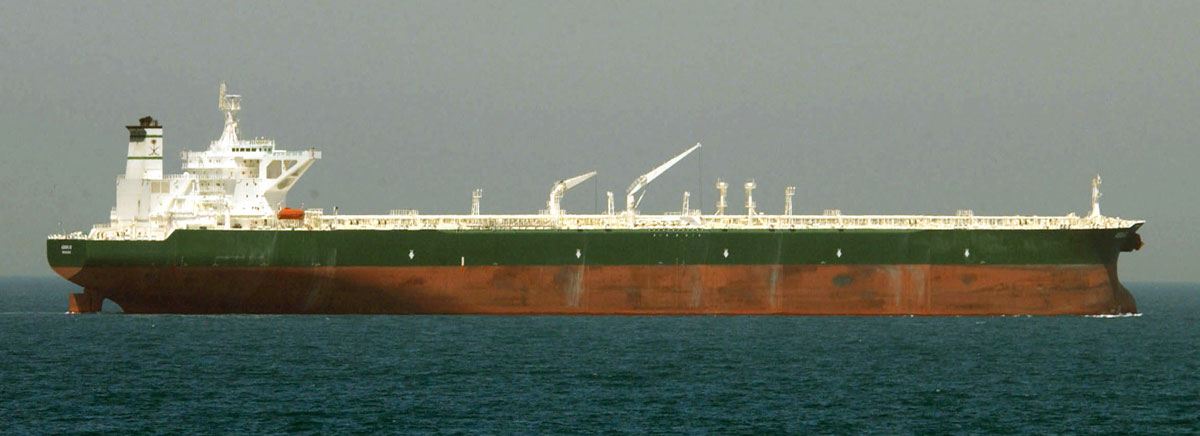
How Do Container Ships Work?
A container ship is a highly specialized cargo vessel designed to transport standardized shipping containers across oceans efficiently, safely, and economically. These vessels form the backbone of global supply chains, carrying over 80% of non-bulk goods traded internationally [UNCTAD, 2024]. Understanding how do container ships work? reveals the complex systems and processes that keep global commerce moving.
Why Understanding How Container Ships Work Matters
Container ships transformed global trade by standardizing cargo handling. Before containerization, loading and unloading goods took days or weeks with high labor costs. Today, modern container ships complete these tasks in hours, reducing costs and transit times dramatically. This guide explains the core systems and operational steps that make this possible.
Who Should Read This Guide
This guide is for anyone curious about maritime logistics, international trade, or ship operations. It suits beginners with no prior maritime knowledge and professionals seeking a refresher on container ship systems.
What You Will Learn
- How container ships load and unload cargo
- How containers are stowed for safety and efficiency
- How container ship propulsion and navigation systems work
- Key safety and regulatory requirements
- Common challenges and troubleshooting tips
Before You Begin
Prerequisites
No prior maritime knowledge is required. This guide explains all concepts in clear, accessible language.
Key Terms to Know
- TEU: Twenty-foot Equivalent Unit, standard measure of container capacity
- FEU: Forty-foot Equivalent Unit (equals 2 TEU)
- Stowage Plan: Detailed map showing where each container is placed on the ship
- Gantry Crane: Large port crane used to load/unload containers
- Twistlock: Device that secures containers to the deck and each other
- SOLAS: Safety of Life at Sea Convention, primary international safety regulation for ships
Step-by-Step Guide: How Container Ships Operate
Step 1: Port Arrival and Berthing
Objective: Dock the container ship safely at the designated berth to begin cargo operations.
Instructions:
- The ship approaches the port following strict navigation protocols
- A local pilot boards the ship to guide it into the berth
- Tugboats assist with maneuvering the large vessel into position
- Mooring lines secure the ship to the dock
- Shore power connects to reduce engine emissions while in port
Why This Step Matters:
Safe berthing is critical for port workers, crew, and cargo. Modern ports have strict safety and environmental regulations for ship arrivals [ISPS Code, 2020].
Pro Tips:
- Pilots have specialized knowledge of local waterways and port conditions
- Tugboats provide precise control that large container ships lack at low speeds
Common Mistakes:
- Rushing berthing procedures, which can cause accidents or delays
Example:
The Port of Rotterdam handles over 15 million TEU annually, with efficient berthing processes that minimize turnaround time [Port of Rotterdam, 2024].
Step 2: Container Unloading and Loading
Objective: Discharge inbound containers and load outbound containers efficiently according to the stowage plan.
Instructions:
- Unloading: Gantry cranes lift containers from the ship's deck and hold onto terminal trucks
- Transportation: Terminal trucks move containers to the stacking yard
- Stacking: Automated stacking cranes organize containers in the yard
- Loading: Gantry cranes lift outbound containers from the yard and place them on the ship
- Documentation: All container movements are tracked in real-time using terminal operating systems
Why This Step Matters:
Efficient loading/unloading directly impacts port turnaround time and supply chain reliability. Delays here can ripple through global logistics networks.
Pro Tips:
- Modern terminals use automated guided vehicles (AGVs) for faster container transport
- Real-time tracking systems ensure containers are loaded in the correct order
Common Mistakes:
- Loading containers out of sequence, which delays subsequent port calls
- Failing to verify container weights before loading
Example:
The Port of Singapore uses automated gantry cranes that can handle up to 40 moves per hour per crane [Port of Singapore, 2024].
Step 3: Container Stowage Planning
Objective: Create a safe and efficient stowage plan that balances the ship, maximizes capacity, and ensures easy access at subsequent ports.
Instructions:
- Collect data on all inbound and outbound containers (weight, size, destination, hazardous material status)
- Use specialized stowage software to create the plan
- Place heavy containers low in the hold to maintain stability
- Distribute weight evenly across the ship to prevent listing
- Organize containers by destination port to minimize rehandling at later stops
- Separate hazardous materials according to international regulations
Why This Step Matters:
A good stowage plan ensures ship stability, prevents container shifts at sea, and reduces port turnaround time. Improper stowage can cause catastrophic accidents [SOLAS, 2020].
Pro Tips:
- Stowage software uses algorithms to optimize container placement
- Dangerous goods are placed in specific, well-ventilated locations
Common Mistakes:
- Overloading individual containers or sections of the ship
- Placing hazardous materials near incompatible cargo
Example:
A 24,000 TEU ULCV requires a stowage plan that coordinates thousands of containers across multiple ports.
Step 4: Ship Propulsion and Power Systems
Objective: Understand how container ships generate power and propel themselves across oceans.
Instructions:
Most modern container ships use:
- Main Engine: A large, slow-speed diesel engine that drives the propeller
- Auxiliary Engines: Smaller engines that generate electricity for ship systems
- Propulsion System: A fixed-pitch or controllable-pitch propeller
- Fuel System: Heavy fuel oil (HFO) or cleaner alternatives like LNG or biofuels
- Exhaust Treatment: Scrubbers or selective catalytic reduction (SCR) systems to reduce emissions
Why This Step Matters:
Propulsion systems determine a ship's speed, fuel efficiency, and environmental impact. Fuel costs account for 50-60% of a ship's operating expenses [IMO, 2023].
Pro Tips:
- "Slow steaming" (reducing speed by 10-20%) cuts fuel consumption by 30-40%
- LNG-powered ships reduce greenhouse gas emissions by up to 25%
Common Mistakes:
- Operating the engine at full power unnecessarily, increasing fuel costs and emissions
Example:
The MSC Gülsün, a 23,756 TEU ULCV, uses a 12-cylinder MAN diesel engine with 83,520 horsepower [MSC, 2024].
Step 5: Navigation and Communication Systems
Objective: Learn how container ships navigate safely and communicate with ports and other vessels.
Instructions:
Key navigation and communication systems include:
- GPS: Global Positioning System for precise location tracking
- ECDIS: Electronic Chart Display and Information System (replaces paper charts)
- RADAR: Radio Detection and Ranging for detecting other vessels and obstacles
- AIS: Automatic Identification System for transmitting ship data to other vessels and ports
- VHF Radio: Very High Frequency radio for short-range communication
- Inmarsat: Satellite communication system for long-range calls and data
Why This Step Matters:
These systems ensure safe navigation in all weather conditions and compliance with international regulations [SOLAS, 2020].
Pro Tips:
- ECDIS provides real-time updates on water depth, hazards, and shipping routes
- AIS helps prevent collisions by showing other vessels' positions, speed, and course
Common Mistakes:
- Overreliance on technology without cross-checking with visual observations
Example:
All container ships over 300 gross tonnage must carry AIS transponders [IMO, 2020].
Step 6: Crew Operations and Watchkeeping
Objective: Understand how the crew manages the ship 24/7 during voyages.
Instructions:
A typical container ship crew works in rotating watches:
- Deck Department: Captain, Chief Officer, Second Officer, Third Officer, Bosun, Able Seamen, Ordinary Seamen
- Engine Department: Chief Engineer, Second, Third, Fourth Engineers, Oiler, Wiper
- Catering Department: Cook, Steward
Why This Step Matters:
Crew members ensure safe, efficient ship operations around the clock. Each role has specific responsibilities for navigation, engineering, safety, and cargo.
Pro Tips:
- Crews work 4-6 hour watches to maintain alertness
- Regular training ensures crew readiness for emergencies
Common Mistakes:
- Skipping safety drills, which can lead to poor emergency response
Example:
A 20,000 TEU ULCV typically has a crew of 20-25 people [ICS, 2024].
After Completion
How to Verify Success
You now understand how do container ships work? from port operations to ocean transit. You can explain key systems like stowage, propulsion, and navigation.
Expected Outcome
You can discuss container ship operations with confidence, identify key components, and understand the challenges of global maritime logistics.
Next Recommended Actions
- Read "What Is a Container Ship?" to learn about ship design and history
- Explore "Container Ship Safety" to understand safety protocols and regulations
- Check "Types of Container Ships" to learn about different size categories
Troubleshooting
Common Problem: Container Shifts at Sea
Possible Cause: Improper stowage or loose twistlocks
Solution: Follow stowage plan guidelines, ensure all twistlocks are secure, and avoid heavy weather when possible
Common Problem: Port Delays
Possible Cause: Port congestion, labor strikes, or bad weather
Solution: Monitor port conditions in advance, maintain buffer time in schedules, and communicate with port authorities
Common Problem: Engine Malfunctions
Possible Cause: Poor maintenance or fuel quality issues
Solution: Follow regular maintenance schedules, use high-quality fuel, and carry spare parts for critical systems
Best Practices
For Shipping Companies
- Invest in modern, fuel-efficient ships to reduce costs and emissions
- Use advanced stowage software to optimize cargo placement
- Train crew regularly on safety procedures and new technologies
- Implement slow steaming on long routes to save fuel
For Ports
- Upgrade infrastructure to handle larger ULCVs
- Invest in automated equipment to speed up loading/unloading
- Improve digital connectivity for real-time data exchange
- Implement environmental management systems to reduce emissions
For Crew Safety
- Conduct regular safety drills
- Maintain all safety equipment in good working order
- Follow watchkeeping schedules to prevent fatigue
- Stay updated on the latest regulations and best practices
Safety Considerations
Container ships face several key safety challenges:
- Stability Risks: Improper stowage can cause listing or capsizing
- Fire Hazards: Containers may carry flammable materials
- Heavy Weather: Rough seas can damage containers or the ship
- Piracy: Some routes have security risks
- Crew Fatigue: Long hours can lead to human error
To mitigate these risks, container ships follow strict international regulations like SOLAS, MARPOL, and the ISM Code [IMO, 2023]. All ships carry mandatory safety equipment including lifeboats, fire extinguishers, and emergency beacons.
Frequently Asked Questions
How long does it take to load a container ship?
Loading time depends on ship size and port efficiency. A 10,000 TEU ship typically takes 24-48 hours to load/unload. Large ULCVs may take 3-5 days at major hub ports [Port of Los Angeles, 2024].
How do container ships stay stable?
Stability comes from proper stowage (heavy containers low and centered), ballast tanks that adjust water weight, and hull design. Modern ships use computer systems to monitor stability continuously [SOLAS, 2020].
How much fuel does a container ship use?
Fuel consumption varies by size and speed. A 20,000 TEU ULCV uses 150-250 tons of fuel per day at full speed. Slow steaming reduces this to 100-150 tons per day [IMO, 2023].
How fast do container ships go?
Most container ships cruise at 20-25 knots (23-29 mph). Slow steaming reduces speed to 18-20 knots to save fuel [IMO, 2023].
How do container ships handle rough weather?
Ships reduce speed, adjust course to avoid the worst conditions, and ensure all containers and equipment are properly secured. Modern weather routing systems help captains plan safer routes [IMO, 2023].
What happens if a container falls overboard?
Lost containers are tracked using AIS if equipped with transponders. Shipping companies report losses to maritime authorities and may attempt recovery if feasible [BIMCO, 2024].
How do container ships communicate with ports?
Ships use VHF radio for short-range communication and Inmarsat satellites for long-range calls and data. AIS transponders continuously transmit ship data to ports and other vessels [SOLAS, 2020].
How do container ships navigate at night?
Ships use GPS, ECDIS, radar, and AIS for navigation 24/7. Crew members maintain visual watches and use navigation lights to signal their position to other vessels [SOLAS, 2020].
Related Resources
- What Is a Container Ship?
- Container Ship Safety
- Types of Container Ships
- History of Container Ships
- Container Ship Design Explained
References & Citations
- [UNCTAD, 2024] Review of Maritime Transport 2024
- [Port of Rotterdam, 2024] Annual Report 2024
- [Port of Singapore, 2024] Port Operations Overview
- [SOLAS, 2020] Safety of Life at Sea Convention
- [IMO, 2023] Fourth IMO Greenhouse Gas Study
- [MSC, 2024] MSC Gülsün Vessel Specifications
- [ICS, 2024] Crewing in the Maritime Industry
- [Port of Los Angeles, 2024] Terminal Operations Report
- [BIMCO, 2024] Shipping Market Review 2024
- [ISPS Code, 2020] International Ship and Port Facility Security Code
Conclusion
Understanding how do container ships work? reveals the sophisticated systems and processes that power global trade. From port operations and stowage planning to propulsion and navigation, every step is carefully coordinated to ensure efficiency, safety, and reliability. As global trade continues to grow, container ships will remain the backbone of the global economy, connecting businesses and consumers across continents.