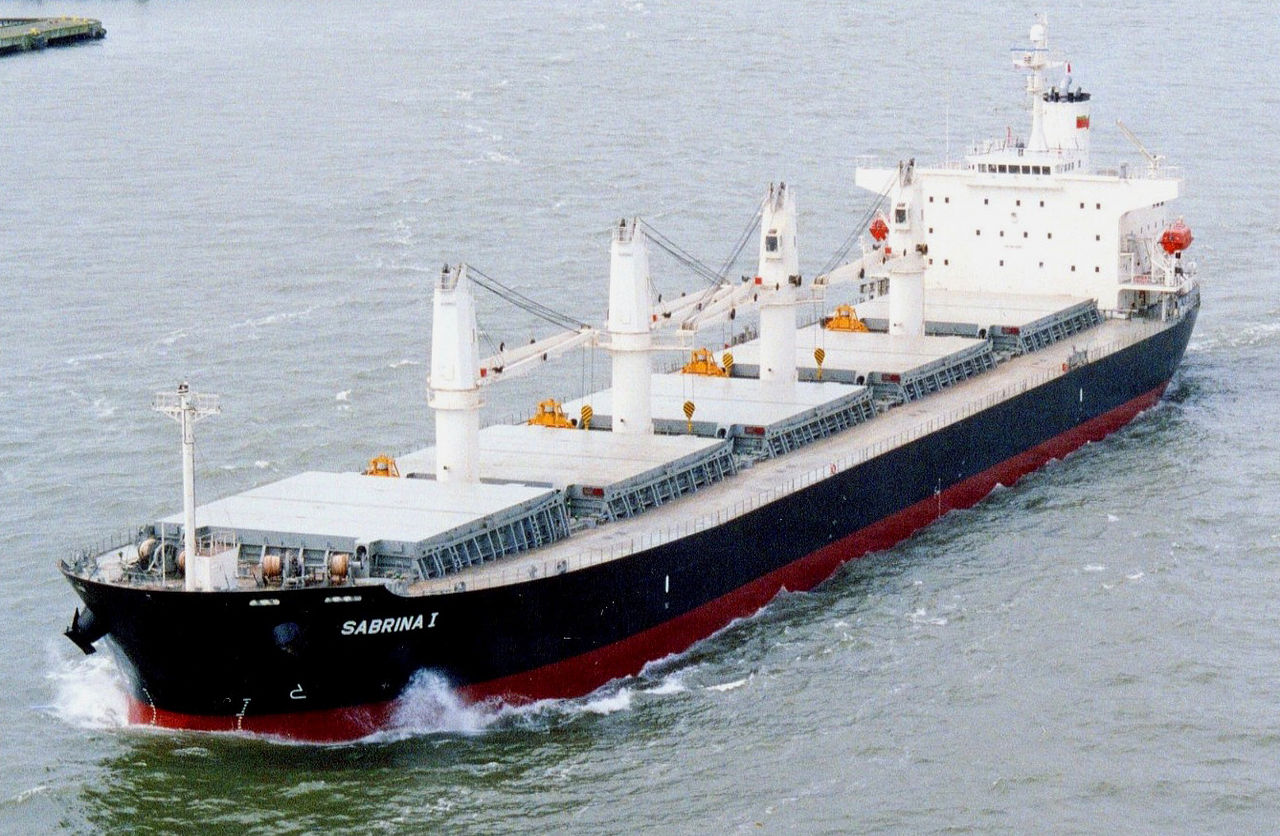
Panamax Container Ships
Panamax container ships are a historically significant class of vessels designed specifically to fit the original Panama Canal locks. For nearly a century, these ships defined the limits of transoceanic shipping, shaping port infrastructure and trade routes worldwide. With over 80% of non-bulk goods transported by container ships globally [UNCTAD, 2024], understanding Panamax vessels is essential for anyone in maritime shipping or logistics.
What Are Panamax Container Ships?
Panamax container ships are vessels built to the maximum dimensions allowed by the original Panama Canal locks. These locks, operational from 1914 to 2016 for large commercial traffic, measured 304.8 meters (1,000 feet) long, 33.53 meters (110 feet) wide, and 12.04 meters (39.5 feet) deep. Panamax container ships typically carry 3,000–5,000 TEU (Twenty-foot Equivalent Units) and were the workhorses of transoceanic trade before the canal expansion in 2016.
Why Panamax Container Ships Matter
The introduction of Panamax container ships revolutionized global trade by enabling efficient transoceanic shipping between the Atlantic and Pacific Oceans. Before the Panama Canal, ships had to sail around Cape Horn, adding weeks to voyages. Panamax vessels optimized this route, reducing transit times and costs for millions of tons of cargo annually.
Who Should Use This Guide
This guide is for shipping professionals, logistics managers, port operators, and anyone interested in maritime transportation. It provides practical information for both beginners and experienced industry experts about Panamax container ships.
What You Will Learn
- The exact dimensions and capacity of Panamax container ships
- The historical significance of Panamax vessels
- Current operational uses of Panamax container ships
- How Panamax compares to other container ship types
- Key design features of Panamax vessels
Before You Begin
Prerequisites
No prior maritime knowledge is required. This guide explains all terms in simple language.
Key Terms
- TEU: Twenty-foot Equivalent Unit, standard measure of container capacity
- FEU: Forty-foot Equivalent Unit (equals 2 TEU)
- Panama Canal: Artificial waterway connecting the Atlantic and Pacific Oceans
- Neo-Panamax: Vessels designed for the expanded Panama Canal (2016)
- Draft: Depth of water a vessel requires to float
Step-by-Step Guide: Understanding Panamax Container Ships
Step 1: Learn the Exact Dimensions of Panamax Container Ships
Objective: Understand the specific size limitations that define Panamax vessels.
Instructions:
Panamax container ships must adhere to strict dimensional limits to transit the original Panama Canal locks:
- Length Overall (LOA): Maximum 304.8 meters (1,000 feet)
- Beam (Width): Maximum 33.53 meters (110 feet)
- Draft (Loaded): Maximum 12.04 meters (39.5 feet)
- Air Draft: Maximum 57.91 meters (190 feet) (height above waterline)
These dimensions were not arbitrary—they were determined by the original lock chambers built in the early 20th century.
Why This Step Matters:
The Panamax size standard became a global benchmark for port design. Many ports worldwide expanded their infrastructure to accommodate Panamax vessels, even if they were not on the Panama Canal route.
Pro Tips:
- Always verify vessel dimensions against both canal and port restrictions
- Panamax dimensions apply to all vessel types, not just container ships
- Modern Panamax container ships often push these limits to maximize cargo capacity
Common Mistakes:
- Confusing Panamax with Neo-Panamax dimensions (Neo-Panamax are much larger)
- Forgetting to consider air draft when planning routes with bridges
Example:
A typical Panamax container ship might measure 294 meters long, 32.2 meters wide, and have a draft of 11.5 meters when fully loaded.
Step 2: Understand Panamax Container Ship Capacity
Objective: Learn how much cargo Panamax container ships can carry.
Instructions:
Panamax container ships typically carry 3,000–5,000 TEU. This capacity range strikes a balance between the canal’s size restrictions and efficient cargo transport. The exact capacity depends on the vessel’s design, with newer Panamax ships optimized for maximum TEU within the dimensional limits.
Why This Step Matters:
Understanding capacity helps in planning cargo shipments and comparing Panamax to other vessel types. For many years, 5,000 TEU was the practical limit for efficient transoceanic shipping via the Panama Canal.
Pro Tips:
- TEU capacity includes both below-deck and on-deck containers
- Panamax ships often carry a mix of 20-foot and 40-foot containers
- Weight distribution is critical for stability and draft management
Common Mistakes:
- Assuming all Panamax ships have the same capacity (design variations exist)
- Overlooking weight limitations that might reduce effective TEU capacity
Example:
A 4,500 TEU Panamax ship might carry 3,000 TEU below deck and 1,500 TEU on deck, with a total cargo weight of around 60,000 tons.
Step 3: Explore the History of Panamax Container Ships
Objective: Understand the historical context and evolution of Panamax vessels.
Instructions:
The term "Panamax" was coined shortly after the Panama Canal opened in 1914. However, Panamax container ships as we know them today emerged in the 1970s and 1980s, as containerization became the dominant form of cargo transport. By the 1990s, Panamax container ships were the standard for transoceanic trade, with thousands in operation worldwide. The Panama Canal expansion, completed in 2016, introduced Neo-Panamax locks, but Panamax vessels remain in service on many routes.
Why This Step Matters:
The history of Panamax container ships is intertwined with the history of global trade. These vessels enabled the growth of international supply chains and shaped the modern shipping industry.
Pro Tips:
- The original Panama Canal locks are still operational for smaller vessels
- Many Panamax container ships were built in the 1990s and 2000s
- Some shipping companies retrofitted Panamax ships for routes that don’t require the canal
Common Mistakes:
- Thinking Panamax ships are obsolete (they still serve important roles)
- Confusing the timeline of containerization with Panamax development
Example:
The MSC Alexandra, built in 2005, is a classic Panamax container ship with a capacity of 4,800 TEU.
Step 4: Discover Current Uses of Panamax Container Ships
Objective: Learn how Panamax container ships are used today.
Instructions:
While Neo-Panamax and ULCVs dominate high-volume trade routes, Panamax container ships still play vital roles:
- Regional Trade Routes: Serving routes that don’t require the Panama Canal
- Ports with Limited Infrastructure: Accessing ports that can’t handle larger vessels
- Specialized Cargo: Transporting specific cargo types that don’t require ultra-large ships
- Flexible Operations: Offering more frequent sailings on lower-volume routes
Many Panamax ships now operate on routes between the U.S. East Coast and Europe, or in Asian regional trade.
Why This Step Matters:
Panamax container ships remain a cost-effective option for many shipping needs. Their smaller size allows access to more ports than larger vessels, providing flexibility in supply chain planning.
Pro Tips:
- Panamax ships are ideal for medium-volume trade lanes
- They offer better port accessibility than Neo-Panamax or ULCVs
- Operating costs are lower than larger vessels
Common Mistakes:
- Assuming larger ships are always better (port accessibility is key)
- Overlooking the flexibility of Panamax vessels
Example:
A Panamax container ship might operate a weekly service between New York and Hamburg, carrying 4,000 TEU of consumer goods and industrial products.
Step 5: Compare Panamax to Other Container Ship Types
Objective: Understand how Panamax fits into the broader container ship classification system.
Instructions:
Container ships are classified by size and capacity:
- Small: Under 1,000 TEU
- Feeder: 1,000–3,000 TEU
- Panamax: 3,000–5,000 TEU
- Post-Panamax: 5,000–12,000 TEU
- Neo-Panamax: 12,000–18,000 TEU
- ULCV: Over 18,000 TEU
Panamax ships are the mid-sized workhorses, balancing capacity and accessibility.
Why This Step Matters:
Understanding the differences between vessel types helps in selecting the right ship for specific shipping needs. Each type has unique advantages and trade-offs.
Pro Tips:
- Match vessel size to trade volume and port capabilities
- Consider both direct costs and indirect factors like transit time
- Use Panamax for medium-volume routes requiring port flexibility
Common Mistakes:
- Confusing Post-Panamax with Panamax (Post-Panamax are larger)
- Overcomplicating vessel selection—start with port accessibility
Example:
A shipping company might use a Panamax ship for a route with medium volume and port restrictions, and a ULCV for a high-volume route with deep-water ports.
After Completion
How to Verify Success
You now understand the dimensions, capacity, history, and current uses of Panamax container ships. You can compare Panamax to other vessel types and make informed decisions about ship selection for specific trade routes.
Expected Outcome
You can effectively communicate about Panamax container ships with shipping partners, plan supply chains that leverage Panamax capabilities, and understand the historical context of these important vessels.
Next Recommended Actions
- Read "Types of Container Ships" for a broader overview of vessel classifications
- Explore "History of Container Ships" to learn more about the evolution of container shipping
- Check "Container Ship Design Explained" for technical details about vessel design
Troubleshooting
Common Problem: Confusing Panamax with Neo-Panamax
Possible Cause: Similar terminology and both related to the Panama Canal
Solution: Remember: Panamax = original locks (max ~5,000 TEU), Neo-Panamax = expanded locks (max ~18,000 TEU), opened in 2016.
Common Problem: Not Knowing If a Port Can Handle Panamax Ships
Possible Cause: Lack of information about port depth and infrastructure
Solution: Check port specifications for draft (minimum 12 meters), berth length (minimum 310 meters), and crane capacity. Most major ports can handle Panamax vessels.
Best Practices
For Shipping Companies
- Use Panamax ships for medium-volume routes with port accessibility requirements
- Consider Panamax vessels for flexible, frequent sailings
- Maintain Panamax ships for routes that don’t require the expanded Panama Canal
- Balance cost savings with cargo volume and transit time
For Port Operators
- Ensure infrastructure can handle Panamax dimensions (305m length, 33.5m width, 12m draft)
- Maintain cranes capable of handling Panamax container stacks
- Plan berth availability for Panamax and larger vessels
For Logistics Managers
- Consider Panamax ships when planning routes with port restrictions
- Evaluate trade-offs between Panamax and larger vessels
- Use Panamax for regional or medium-volume trade lanes
Safety Considerations
Panamax container ships have specific safety considerations:
- Stability: Proper cargo stowage is critical with tall container stacks
- Maneuverability: Size requires careful navigation in confined waters
- Canal Transit: Special procedures apply for Panama Canal transits
- Weather: Large vessels must be prepared for heavy seas and storms
All Panamax container ships must comply with SOLAS (Safety of Life at Sea) regulations and undergo regular safety inspections [IMO, 2023].
Frequently Asked Questions
What is a Panamax container ship?
A Panamax container ship is a vessel built to the maximum dimensions allowed by the original Panama Canal locks, typically carrying 3,000–5,000 TEU.
What are the dimensions of a Panamax container ship?
Panamax container ships have maximum dimensions of 304.8 meters long, 33.53 meters wide, and 12.04 meters draft.
How many TEU can a Panamax container ship carry?
Panamax container ships typically carry 3,000–5,000 TEU, depending on the specific vessel design.
Are Panamax container ships still used today?
Yes, Panamax container ships are still widely used on routes that don’t require the expanded Panama Canal, or for accessing ports with limited infrastructure.
What is the difference between Panamax and Neo-Panamax?
Panamax ships fit the original Panama Canal locks (max ~5,000 TEU), while Neo-Panamax ships fit the expanded locks (max ~18,000 TEU) which opened in 2016.
When was the term "Panamax" coined?
The term "Panamax" was coined shortly after the Panama Canal opened in 1914, but Panamax container ships as we know them emerged in the 1970s and 1980s.
Can Panamax ships transit the expanded Panama Canal?
Yes, Panamax ships can transit both the original and expanded Panama Canal locks, but Neo-Panamax ships can only use the expanded locks.
What routes do Panamax container ships typically serve?
Panamax container ships serve a variety of routes, including transatlantic, Asian regional, and routes that require access to ports with limited infrastructure.
Related Resources
- Types of Container Ships
- History of Container Ships
- What Is a Container Ship?
- Container Ship Design Explained
- How Do Container Ships Work?
References & Citations
- [UNCTAD, 2024] Review of Maritime Transport 2024
- [Panama Canal Authority, 2024] Vessel Requirements
- [IMO, 2023] Safety of Life at Sea (SOLAS) Convention
- [Clarksons Research, 2024] Container Ship Market Report
- [BIMCO, 2024] Shipping Market Review 2024
Conclusion
Panamax container ships have played a pivotal role in the history of global shipping, and they continue to serve important roles today. Their size, defined by the original Panama Canal locks, shaped port infrastructure and trade routes for nearly a century. While larger vessels now dominate high-volume trade lanes, Panamax ships remain a cost-effective and flexible option for many shipping needs, offering better port accessibility than Neo-Panamax or ULCVs. Understanding Panamax container ships is essential for anyone involved in maritime shipping, logistics, or international trade.