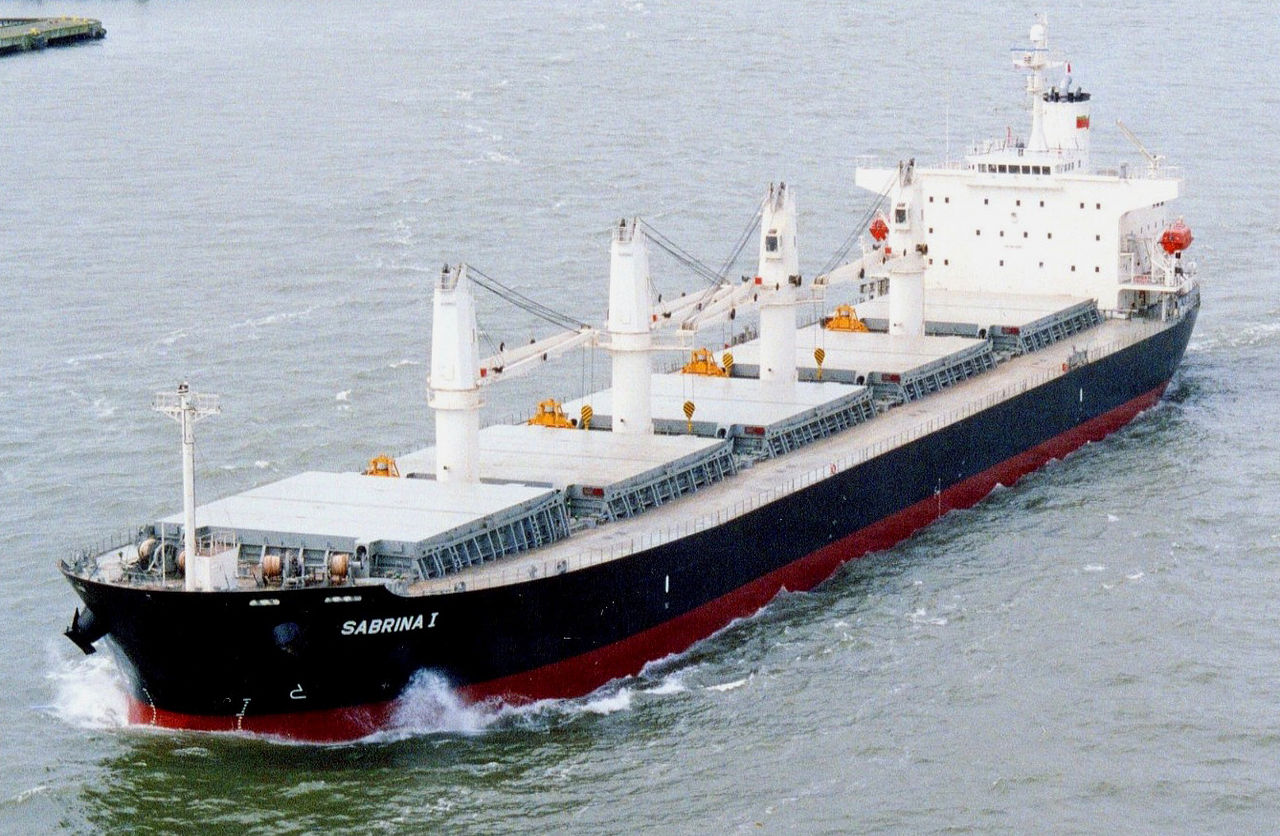
Chief Engineer on Container Ships
The chief engineer on a container ship is the highest-ranking officer in the engine department, with overall responsibility for the ship's engines, machinery, and systems. They report to the captain and ensure that all mechanical, electrical, and propulsion systems are operating safely and efficiently. Becoming a chief engineer is the pinnacle of a marine engineer's career.
Why the Chief Engineer Matters
The chief engineer is responsible for the heart of the ship—the engine room. Without a reliable engine department, the ship can't move, generate electricity, or operate any systems. Container ships rely on their engines to travel across the world's oceans, making the chief engineer a critical member of the crew.
Who Should Read This Article
This article is for anyone interested in becoming a chief engineer or learning about the role. It covers responsibilities, qualifications, career path, and skills needed to be a successful chief engineer.
What You Will Learn
- The role and responsibilities of a chief engineer
- Required qualifications and experience
- Career path to becoming a chief engineer
- Key skills and attributes
- Salary expectations
Role and Responsibilities of a Chief Engineer
The chief engineer's responsibilities include:
Engine Room Operations
- Oversee all engine room operations
- Monitor and maintain the main engine
- Monitor and maintain auxiliary machinery
- Stand engine room watches as needed
- Ensure all systems are operating efficiently
Maintenance and Repairs
- Plan and schedule maintenance for all machinery
- Oversee repairs of engines and systems
- Manage spare parts and inventory
- Keep detailed maintenance records
- Coordinate with shore-based technical staff
Environmental Compliance
- Ensure compliance with MARPOL and other environmental regulations
- Manage fuel and lubrication systems
- Treat waste water and sewage
- Prevent oil spills
- Monitor emissions
Crew Management
- Supervise the engine crew (second engineer, third engineer, etc.)
- Assign tasks to the engine crew
- Conduct performance evaluations
- Train junior engineers and ratings
Safety
- Follow safety procedures for engine room operations
- Conduct safety inspections and drills
- Maintain safety equipment
- Respond to engine room emergencies
Qualifications and Experience
To become a chief engineer on a container ship, you need:
- **Chief Engineer's Certificate of Competency (CoC): The highest level of marine engineer certification.
- Experience: Several years of experience as a second engineer.
- STCW Certification: Compliance with the International Convention on Standards of Training, Certification and Watchkeeping for Seafarers.
- Additional Training: Training in areas like engine management, environmental protection, and leadership.
Career Path to Chief Engineer
Here's the typical career path to becoming a chief engineer:
- Engine Cadet: Start as a trainee engineer, learning the basics of engine room operations.
- Fourth Engineer: After completing your cadetship and passing exams, become a fourth engineer.
- Third Engineer: Gain experience as a third engineer, maintaining auxiliary machinery.
- Second Engineer: Become a second engineer, responsible for the main engine.
- Chief Engineer: After gaining enough experience and earning your Chief Engineer's CoC, become a chief engineer!
Key Skills and Attributes of a Good Chief Engineer
- Leadership: Ability to lead and manage the engine crew.
- Technical Knowledge: Deep understanding of marine engines, machinery, and systems.
- Problem-Solving: Ability to troubleshoot and solve mechanical problems quickly.
- Organization: Strong organizational skills for maintenance and inventory.
- Safety Focus: Commitment to safety and environmental compliance.
- Communication: Good communication skills with crew and shore personnel.
Salary Expectations
The salary for a chief engineer on a container ship varies depending on experience, ship size, and company. Typical salaries [ICS, 2024]:
- Junior Chief Engineer: $8,000-$12,000 per month
- Senior Chief Engineer: $15,000-$20,000+ per month
Frequently Asked Questions
What is the difference between a chief engineer and a captain?
The captain is the highest-ranking officer on the ship, with overall responsibility for everything. The chief engineer is the highest-ranking officer in the engine department, responsible for engines and machinery.
How long does it take to become a chief engineer?
It typically takes 8-12 years to become a chief engineer, depending on your career progression.
What are the working hours for a chief engineer?
Chief engineers work long hours, especially during port calls or machinery breakdowns. They are on call 24/7.
Related Resources
- Marine Engineer on Container Ships
- ETO on Container Ships
- Jobs on Container Ships
- How to Join a Container Ship
- Engine Room Operations
References & Citations
- [ICS, 2024] International Chamber of Shipping. (2024). Maritime Salary Guide.
- [STCW, 2010] International Convention on Standards of Training, Certification and Watchkeeping for Seafarers. (2010).
- [MAN Energy Solutions, 2024] Marine Engineering Guide.
Conclusion
Being a chief engineer on a container ship is a challenging but incredibly rewarding career. It requires years of hard work, training, and experience, but the rewards are well worth it. If you have a passion for engineering, technology, and the sea, becoming a chief engineer may be the perfect career for you.