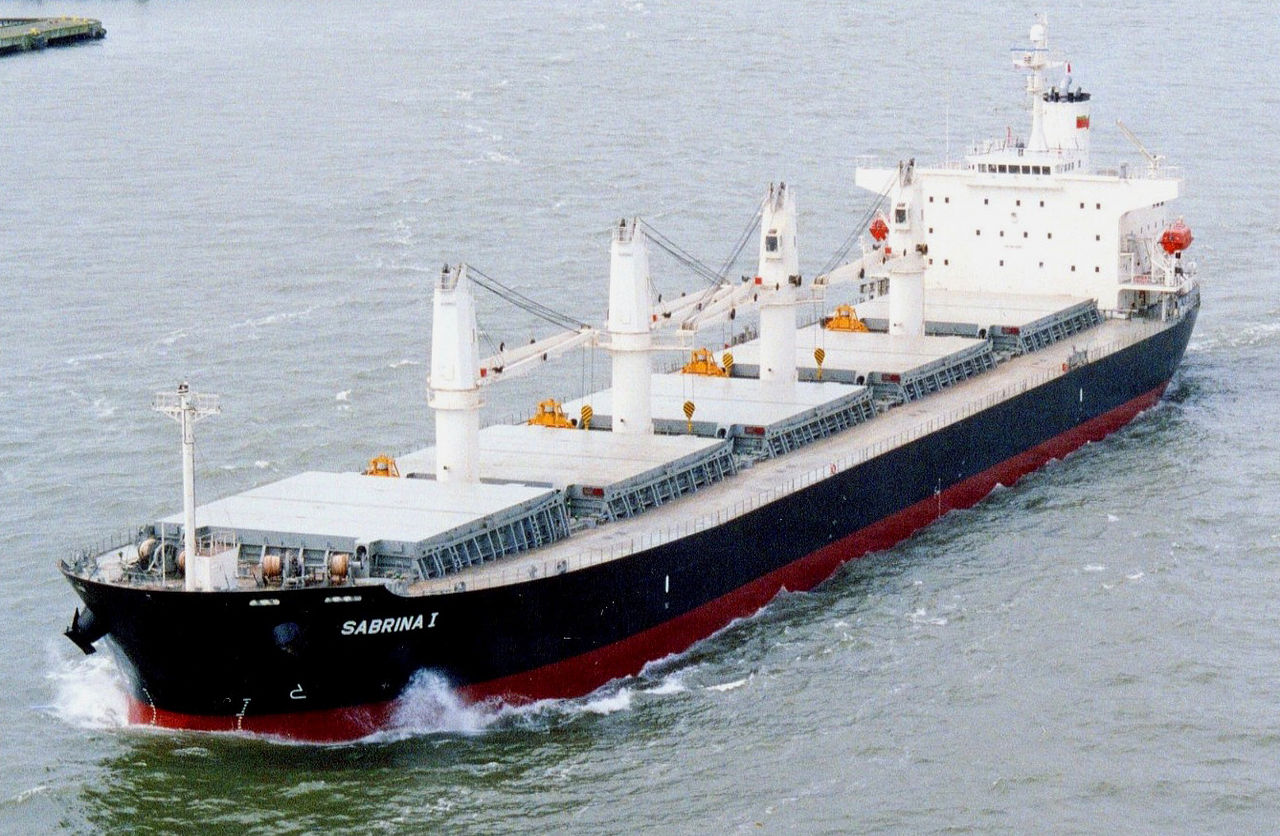
Container Ship Loading Process
The container ship loading process is a highly coordinated sequence of operations that moves containers from shore to vessel in a safe, efficient, and stable manner. This process involves careful planning, specialized equipment, and strict adherence to international regulations to ensure cargo integrity and vessel stability [IMO, 2023].
Why the Container Ship Loading Process Matters
Efficient container ship loading operations directly impact port turnaround times, supply chain reliability, and shipping costs. A single ultra-large container vessel (ULCV) can carry over 24,000 TEU, requiring precision loading to maintain stability and safety at sea [UNCTAD, 2024].
Who Should Read This Guide
This guide is for maritime professionals, port operators, logistics managers, and students studying shipping operations. It covers both theoretical concepts and practical procedures involved in container ship loading.
What You Will Learn
- The key phases of the container ship loading process
- How stowage planning works
- The role of specialized equipment in loading operations
- Critical safety and stability considerations
- Common challenges and solutions in container loading
Before You Begin
Prerequisites
- Basic understanding of container ship operations
- Familiarity with maritime terminology (TEU, FEU, stowage)
- Knowledge of port safety procedures
Required Equipment
- Container gantry cranes (ship-to-shore cranes)
- Straddle carriers or reach stackers
- Automated guided vehicles (AGVs) or terminal tractors
- Twistlocks and lashing equipment
- Stowage planning software
Required Documents
- Bay plan (stowage plan)
- Container manifest
- Dangerous goods declaration (if applicable)
- Vessel stability booklet
- Port safety checklist
Estimated Time
Loading time varies by vessel size:
- Feeder vessel (1,000–3,000 TEU): 8–24 hours
- Panamax (3,000–5,000 TEU): 24–48 hours
- ULCV (18,000+ TEU): 48–72 hours [BIMCO, 2024]
Safety Precautions
- All personnel must wear personal protective equipment (PPE)
- Strict compliance with SOLAS Chapter VI (Cargo Stowage and Securing)
- No unauthorized personnel in loading zones
- Continuous communication between ship and shore teams
Relevant Regulations
- SOLAS Convention (Safety of Life at Sea)
- ISPS Code (International Ship and Port Facility Security)
- IMDG Code (International Maritime Dangerous Goods Code)
- IMO MSC.1/Circ.1352 (Revised Code of Safe Practice for Cargo Stowage and Securing)
Step-by-Step Guide: Container Ship Loading Process
Step 1: Pre-Arrival Stowage Planning
Objective:
Develop a comprehensive stowage plan before the vessel arrives at port.
Instructions:
- The vessel's chief officer receives the container manifest from the shipping line
- Stowage planners use specialized software (e.g., Navis, MACS3) to create the bay plan
- Containers are allocated to specific bays, slots, and tiers based on:
- Destination port (first-in, last-out principle)
- Weight (heavy containers below deck, light containers on deck)
- Type (reefers, dangerous goods, oversize)
- Vessel stability requirements
- The plan is reviewed and approved by the chief officer and port captain
Why This Step Matters:
Proper stowage planning ensures vessel stability, prevents damage to cargo, and optimizes unloading efficiency at subsequent ports.
Pro Tips:
- Use "block stowage" to group containers by destination
- Place reefers near power outlets (reefer points)
- Keep dangerous goods segregated per IMDG Code
Common Mistakes:
- Overloading individual bays
- Ignoring weight distribution (can cause list or trim)
- Forgetting to allocate reefer points
Example:
A ULCV stowage plan may include 20+ bays, with each bay holding up to 1,200 TEU in 10+ tiers.
Step 2: Vessel Arrival and Berthing
Objective:
Secure the vessel at the berth and prepare for loading operations.
Instructions:
- The vessel arrives at the port and is guided to the berth by pilot and tugboats
- The ship is secured with mooring lines
- Shore power is connected (if available)
- The gangway is deployed and secured
- A pre-loading meeting is held between ship's crew and terminal operators
- Hatch covers are removed to access below-deck holds
Why This Step Matters:
Safe berthing and preparation set the foundation for efficient loading operations.
Pro Tips:
- Conduct a pre-loading safety briefing with all personnel
- Check hatch cover seals for damage before opening
- Ensure proper communication systems are in place (VHF, handheld radios)
Common Mistakes:
- Skipping pre-loading meetings
- Not inspecting hatch covers
- Poor communication between ship and shore
Step 3: Container Retrieval from Yard
Objective:
Move containers from the port yard to the quay side for loading.
Instructions:
- Terminal operators retrieve containers from the storage yard using straddle carriers or reach stackers
- Containers are verified against the manifest (container number, seal, weight)
- Reefers are plugged into pre-trip inspection (PTI) stations
- Containers are transported to the quay using AGVs, terminal tractors, or straddle carriers
- Containers are placed in the correct "lane" for loading sequence
Why This Step Matters:
Efficient yard operations ensure containers arrive at the quay in the correct order for loading.
Pro Tips:
- Use automated yard equipment for faster retrieval
- Perform PTI on reefers 24 hours before loading
- Maintain a buffer of containers at the quay to avoid crane downtime
Common Mistakes:
- Retrieving containers in the wrong order
- Skipping PTI for reefers
- Container damage during yard transport
Step 4: Crane Loading Operations
Objective:
Lift containers from the quay and place them in their designated stowage positions.
Instructions:
- Ship-to-shore (STS) gantry cranes position over the vessel's holds
- The crane's spreader locks onto the container's corner castings
- The container is lifted and moved over the vessel
- The container is lowered into its designated slot:
- Below deck: Guided into cell guides
- On deck: Placed on hatch covers or container stacks
- Twistlocks are installed to secure the container
- The process repeats until all containers are loaded
Why This Step Matters:
Crane operations are the core of the container ship loading process, requiring precision and safety.
Pro Tips:
- Use multiple cranes in parallel for faster loading
- Monitor weather conditions (stop operations in high winds)
- Maintain constant communication between crane operator and signal person
Common Mistakes:
- Misplacing containers in wrong slots
- Not securing twistlocks properly
- Crane collisions with vessel or containers
Example:
Modern STS cranes can lift up to 100 tons and load 40–50 containers per hour.
Step 5: Container Securing and Lashing
Objective:
Secure all containers to prevent shifting during transit.
Instructions:
- Below-deck containers are secured by cell guides (no additional lashing needed)
- On-deck containers are secured using:
- Twistlocks (base layer)
- Lashing rods and turnbuckles (upper layers)
- Bridge fittings (between adjacent containers)
- The chief officer inspects all securing arrangements
- A final stability calculation is performed
Why This Step Matters:
Proper securing prevents container loss, vessel damage, and stability issues at sea.
Pro Tips:
- Follow the vessel's Cargo Securing Manual (CSM)
- Tighten lashings in stages to distribute load evenly
- Re-check lashings after 24 hours at sea (initial stretch)
Common Mistakes:
- Over-tightening lashings (can damage containers)
- Under-tightening lashings (can cause shifting)
- Not using appropriate securing equipment
Step 6: Post-Loading Checks and Documentation
Objective:
Verify all containers are loaded correctly and complete required documentation.
Instructions:
- The chief officer conducts a final walkthrough of the vessel
- The stowage plan is updated with any last-minute changes
- All documentation is completed:
- Cargo manifest
- Dangerous goods declaration
- Stowage plan (bay plan)
- Loading completion report
- Hatch covers are closed and secured
- The ship's stability booklet is updated with final displacement and stability parameters
Why This Step Matters:
Post-loading checks ensure compliance with regulations and safety standards.
Pro Tips:
- Keep digital and physical copies of all documentation
- Take photos of stowage for reference
- Conduct a final stability test using the vessel's loading computer
Common Mistakes:
- Forgetting to update the stowage plan
- Missing signatures on documentation
- Not verifying final stability
After Completion
How to Verify Success
- All containers are accounted for (manifest matches actual loading)
- Vessel is within stability limits (GM positive, no list/trim)
- All securing arrangements are properly installed
- All documentation is complete and signed
Expected Outcome
The vessel is ready to depart safely, with all cargo secured and documented.
Next Recommended Actions
- Read "How Do Container Ships Work?" to learn about vessel operations at sea
- Explore "Container Ship Safety" to understand safety protocols during transit
- Review "Dangerous Goods Handling" for specialized cargo procedures
Troubleshooting
Common Problem: Container Misplacement
Possible Cause: Incorrect stowage plan or crane operator error
Solution: Relocate the container to the correct slot immediately; update the stowage plan
Common Problem: Container Damage During Loading
Possible Cause: Crane mishandling or faulty equipment
Solution: Document damage with photos; assess cargo integrity; repair or replace container if needed
Common Problem: Vessel Stability Issues
Possible Cause: Improper weight distribution
Solution: Adjust stowage plan; redistribute heavy containers; recalculate stability
Common Problem: Crane Downtime
Possible Cause: Equipment failure or weather
Solution: Have backup cranes available; delay operations in bad weather; perform regular maintenance
Best Practices
For Terminal Operators
- Use automated stowage planning software
- Maintain modern, well-maintained cranes and equipment
- Train staff regularly on safety and efficiency
- Coordinate closely with ship's crew and shipping lines
For Ship's Crew
- Review stowage plans carefully before loading
- Conduct frequent safety checks during operations
- Maintain clear communication with shore teams
- Keep detailed records of all loading activities
For Shipping Lines
- Provide accurate container manifests in advance
- Optimize container bookings to improve stowage efficiency
- Invest in training for terminal and ship staff
- Use modern container ships with advanced stability systems
Safety Considerations
The container ship loading process involves significant safety risks, including heavy equipment, high heights, and moving cargo. Key safety considerations include:
- PPE Requirements: All personnel must wear hard hats, safety shoes, high-visibility vests, and gloves
- Fall Protection: Use harnesses when working at height
- Weather Limits: Stop operations if wind speed exceeds 30–40 knots (varies by port/terminal)
- Emergency Procedures: Know the location of emergency stops, fire extinguishers, and first aid kits
- Dangerous Goods: Follow IMDG Code for handling hazardous materials
Compliance with SOLAS Chapter VI and the IMO Code of Safe Practice for Cargo Stowage and Securing is mandatory [IMO, 2023].
Frequently Asked Questions
How long does the container ship loading process take?
Loading time depends on vessel size and terminal efficiency. Feeder vessels take 8–24 hours, while ULCVs take 48–72 hours [BIMCO, 2024].
What is a stowage plan?
A stowage plan (bay plan) is a detailed document showing exactly where each container is placed on the vessel. It ensures stability, safety, and efficient unloading.
How are containers secured on a container ship?
Below-deck containers use cell guides. On-deck containers use twistlocks, lashing rods, turnbuckles, and bridge fittings per the vessel's Cargo Securing Manual.
What is the first-in, last-out principle?
Containers for the last port of call are loaded first (deepest in the hold), and containers for the first port are loaded last (most accessible).
Can weather delay loading operations?
Yes, high winds, rain, or fog can delay or stop loading operations for safety reasons. Most terminals have wind speed limits (typically 30–40 knots).
What is a reefer container?
A reefer container is a refrigerated container used to transport perishable goods (fruits, vegetables, pharmaceuticals) at controlled temperatures.
How many cranes are used to load a container ship?
Smaller vessels use 1–2 cranes, while ULCVs use 4–6 cranes operating in parallel.
What is a TEU?
TEU (Twenty-foot Equivalent Unit) is a standard measure of container capacity. One TEU equals one 20-foot container.
What is the role of the chief officer during loading?
The chief officer is responsible for stowage planning, stability calculations, safety inspections, and coordinating with shore teams.
Related Resources
- How Do Container Ships Work?
- Parts of a Container Ship
- What Is a Container Ship?
- Container Ship Safety
- History of Container Ships
References & Citations
- [IMO, 2023] Revised Code of Safe Practice for Cargo Stowage and Securing (MSC.1/Circ.1352/Rev.1)
- [UNCTAD, 2024] Review of Maritime Transport 2024
- [BIMCO, 2024] Port Operations Guide
- [SOLAS, 2020] Safety of Life at Sea Convention, Chapter VI
- [IMDG Code, 2022] International Maritime Dangerous Goods Code
- [ICS, 2024] Maritime Operations Handbook
Conclusion
The container ship loading process is a complex but highly efficient operation that relies on careful planning, specialized equipment, and strict safety protocols. By following the steps outlined in this guide, maritime professionals can ensure safe, stable, and efficient loading operations. Proper stowage, securing, and documentation are critical to maintaining vessel safety and supply chain reliability. As container ships continue to grow in size, mastering the container ship loading process will remain essential for the global shipping industry.