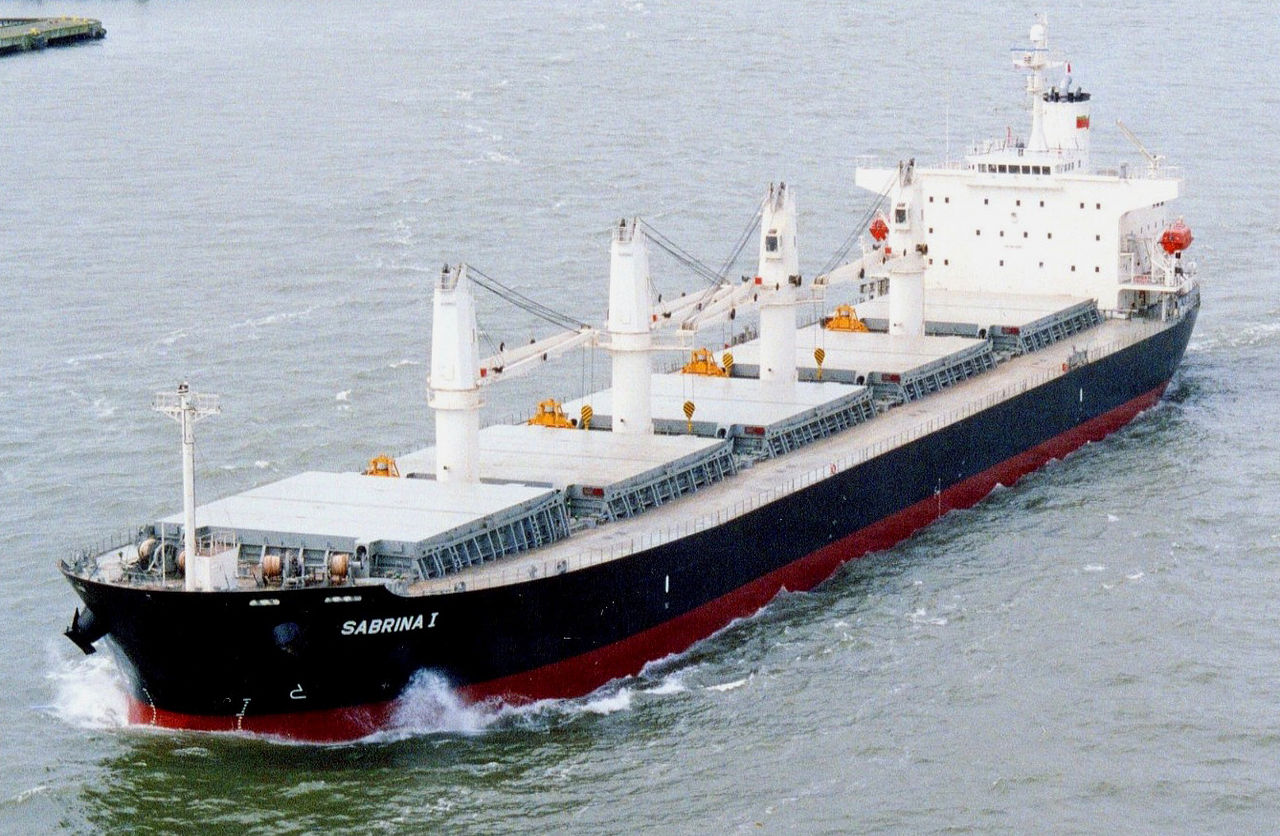
Captain of a Container Ship
The captain (or master) of a container ship is the highest-ranking officer on board, with overall responsibility for the safe and efficient operation of the vessel. They are in charge of the crew, cargo, and ship, and ensure compliance with all international and national regulations. Being a captain is the pinnacle of a deck officer's career and requires years of experience and training.
Why the Captain Matters
The captain is responsible for everything on board the ship. Their decisions can mean the difference between a safe, successful voyage and a disaster. Container ships carry valuable cargo and are critical to global trade, so the captain's role is essential [UNCTAD, 2024].
Who Should Read This Article
This article is for anyone interested in becoming a captain of a container ship or learning about the role. It covers the responsibilities, qualifications, career path, and challenges of being a captain.
What You Will Learn
- The role and responsibilities of a container ship captain
- Required qualifications and experience
- Career path to becoming a captain
- Key skills and attributes of a good captain
- Challenges and rewards of the role
Role and Responsibilities of a Captain
The captain's responsibilities include:
Navigation and Safety
- Approve and oversee voyage plans
- Ensure safe navigation of the ship
- Make critical decisions during emergencies
- Ensure compliance with SOLAS and other safety regulations
Crew Management
- Supervise and manage the crew
- Conduct performance evaluations
- Resolve conflicts among crew members
- Ensure crew welfare and training
Cargo Operations
- Oversee cargo loading and unloading
- Ensure cargo is properly stowed and secured
- Approve cargo plans
Legal and Compliance
- Ensure compliance with all international and national regulations
- Represent the ship and company to authorities
- Sign legal documents and certificates
Financial Management
- Manage the ship's budget
- Control costs like fuel and supplies
- Ensure financial records are accurate
Qualifications and Experience
To become a captain of a container ship, you need:
- Master's Certificate of Competency (CoC): This is the highest level of deck officer certification.
- Experience: Several years of experience as a chief officer (first mate).
- STCW Certification: Compliance with the International Convention on Standards of Training, Certification and Watchkeeping for Seafarers.
- Additional Training: Training in areas like crisis management, leadership, and environmental protection.
Career Path to Captain
Here's the typical career path to becoming a container ship captain:
- Deck Cadet: Start as a trainee officer, learning the basics of deck operations and navigation.
- Third Officer: After completing your cadetship and passing exams, become a third officer.
- Second Officer: Gain experience as a second officer, responsible for navigation and charts.
- Chief Officer: Become a chief officer, responsible for cargo operations and deck maintenance.
- Captain: After gaining enough experience and earning your Master's CoC, become a captain!
Key Skills and Attributes of a Good Captain
- Leadership: Ability to lead and motivate the crew.
- Decision-Making: Ability to make quick, sound decisions under pressure.
- Communication: Excellent communication skills, both written and verbal.
- Technical Knowledge: Deep understanding of ship operations, navigation, and regulations.
- Calm Under Pressure: Ability to stay calm and focused during emergencies.
- Integrity: High ethical standards and honesty.
Challenges and Rewards of Being a Captain
Challenges
- Long Periods Away from Home: Captains typically spend 4-9 months at sea.
- Heavy Responsibility: The captain is responsible for everything on board.
- Stress: Managing the ship, crew, and cargo can be very stressful.
- Isolation: Limited contact with family and friends.
Rewards
- High Salary: Captains are among the highest-paid seafarers.
- Leadership Opportunity: The chance to lead a team and manage a large vessel.
- Travel: See the world and visit new countries.
- Job Satisfaction: The satisfaction of a job well done.
Salary Expectations
The salary for a container ship captain varies depending on experience, ship size, and company. Typical salaries [ICS, 2024]:
- Junior Captain: $8,000-$12,000 per month
- Senior Captain: $15,000-$20,000+ per month
Frequently Asked Questions
How long does it take to become a captain?
It typically takes 8-12 years to become a captain, depending on your career progression and the company you work for.
What is the difference between a captain and a master?
"Captain" and "master" are the same thing—they are just different terms for the same role.
What are the working hours for a captain?
Captains work long hours, especially during port calls or emergencies. They are on call 24/7.
Can a woman be a captain?
Absolutely! There are many female captains in the maritime industry. The number is growing as the industry becomes more diverse.
Related Resources
- Deck Cadet on Container Ships
- Chief Officer on Container Ships
- Jobs on Container Ships
- How to Join a Container Ship
- Navigation on Container Ships
References & Citations
- [UNCTAD, 2024] United Nations Conference on Trade and Development. (2024). Review of Maritime Transport.
- [ICS, 2024] International Chamber of Shipping. (2024). Maritime Salary Guide.
- [STCW, 2010] International Convention on Standards of Training, Certification and Watchkeeping for Seafarers. (2010).
Conclusion
Being the captain of a container ship is a challenging but incredibly rewarding career. It requires years of hard work, training, and experience, but the rewards are well worth it. If you have a passion for the sea, strong leadership skills, and a commitment to safety, becoming a captain may be the perfect career for you.