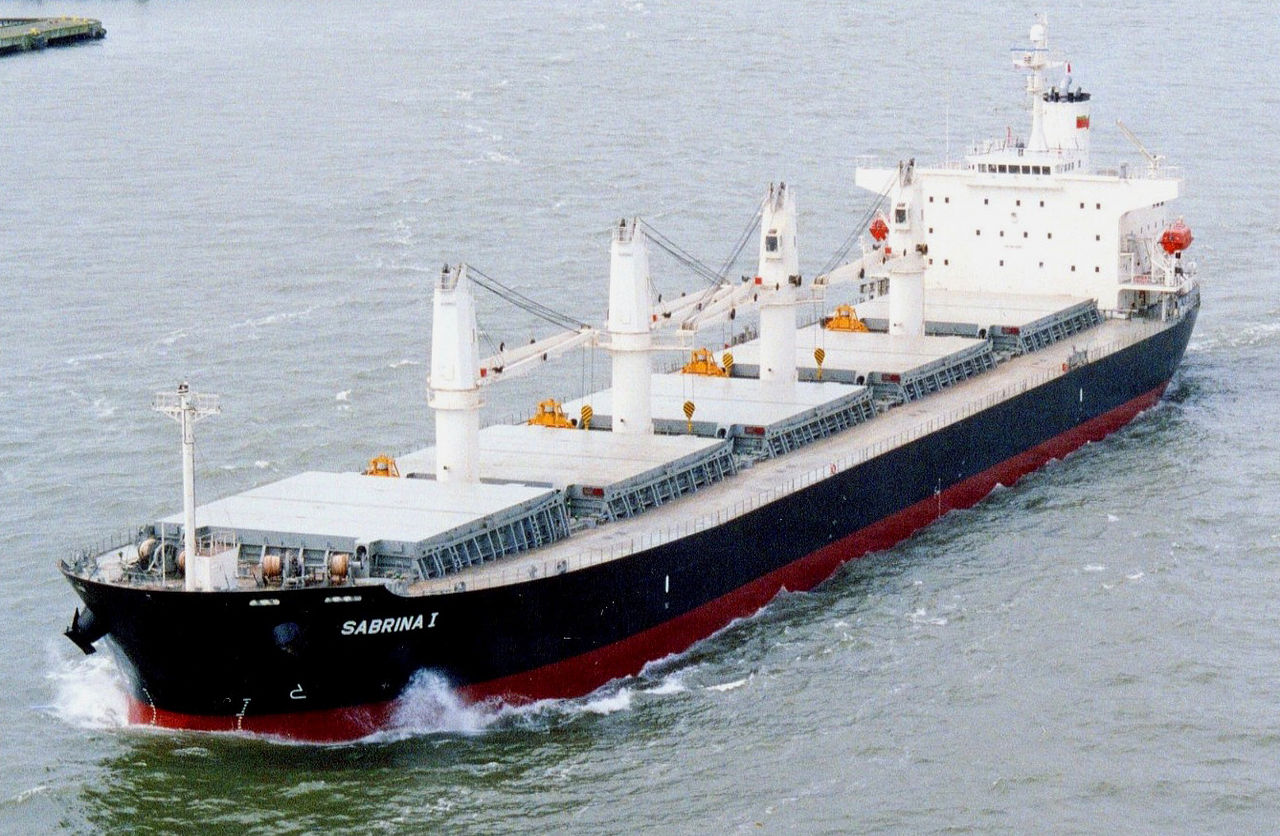
Deck Cadet in UAE: Complete Training and Career Guide (2026)
Introduction
The United Arab Emirates operates as a strategic maritime hub hosting major ports including Jebel Ali (world's 9th largest container port) and providing maritime education through the Arab Academy for Science, Technology and Maritime Transport (AASTMT) serving regional and international students. The UAE maritime sector contributes significantly to the national economy with ports handling over 24 million TEUs annually, creating employment opportunities for deck officers aboard UAE-based fleets and international vessels calling at Emirates ports [UAE Federal Transport Authority, 2025]. Deck cadets training in UAE benefit from modern facilities, English-language education, strategic Middle East location, tax-free employment prospects, and access to growing Gulf maritime sector including offshore oil and gas support, logistics operations, and cruise tourism [Dubai Maritime City Authority, 2024].
UAE maritime education follows STCW Convention requirements under Federal Transport Authority oversight, with AASTMT as the primary institution offering internationally-recognized maritime programs. Training emphasizes modern technology, practical competencies, and international standards preparing graduates for global maritime employment. The UAE's position as international business hub and maritime gateway provides unique opportunities for maritime professionals seeking careers in dynamic, multicultural environments.
This comprehensive guide covers the pathway to becoming a deck cadet in UAE including admission requirements, training programs, certification processes, employment opportunities, costs, and practical considerations for UAE nationals and international students pursuing maritime careers through UAE's maritime education infrastructure.
Before You Begin
Prerequisites
For UAE Nationals:
- Completion of secondary school (Grade 12/Tawjihi)
- Minimum 60-70% aggregate in final examinations
- Strong performance in Mathematics, Physics, English
- Age 17-25 years typically
- Medical fitness for sea service
- Valid UAE passport
- Emirati citizenship benefits (subsidized fees, priority employment)
For International Students:
- Equivalent secondary education recognized by UAE Ministry of Education
- English language proficiency (IELTS 5.5-6.0 or equivalent)
- Valid passport with minimum 2-year validity
- Student visa eligibility
- Financial capability for tuition and living expenses
- Medical fitness certification
Required Qualifications
Academic Requirements:
- Secondary school certificate with scientific stream
- Mathematics: Minimum 60-70%
- Physics: Minimum 60-70%
- English: Minimum 60% or IELTS 5.5
- Chemistry advantageous but not always mandatory
Additional Requirements:
- Age restrictions vary by program (typically 17-28 years)
- Physical fitness standards (height, weight proportionate)
- No color blindness or serious vision impairment
- Good general health
Required Documents
- Secondary school certificate and transcripts (attested)
- Birth certificate
- Valid passport copy
- Recent passport-size photographs (8-10 copies)
- Medical fitness certificate
- English proficiency certificate (IELTS/TOEFL if applicable)
- No objection certificate (from sponsor if applicable)
- Visa documents (for international students)
- Financial guarantee/bank statements
- Character reference letters
Estimated Time
Training Duration:
- Bachelor's degree (Nautical Science): 4 years including sea training
- Diploma programs: 3 years
- Sea training: 12-18 months integrated into programs
- Certification examination preparation: 1-2 months
- Total: 4-5 years from enrollment to certified officer
Estimated Cost
For UAE Nationals:
- Tuition: AED 25,000-40,000/year (discounted rates, approximately USD $6,800-10,900)
- Living expenses: AED 30,000-50,000/year (USD $8,200-13,600)
- Books/materials: AED 3,000-5,000/year
- Total annual: AED 60,000-95,000 (USD $16,300-25,900)
For International Students:
- Tuition: AED 40,000-70,000/year (USD $10,900-19,000)
- Living expenses: AED 35,000-60,000/year
- Visa fees: AED 3,000-5,000
- Total annual: AED 80,000-135,000 (USD $21,800-36,800)
Note: Costs vary by institution, accommodation choices, and lifestyle. Dubai is more expensive than other Emirates.
Step-by-Step Guide
Step 1: Choose Maritime Training Institution
Objective
Select appropriate maritime education provider offering STCW-compliant programs recognized for international maritime employment.
Instructions
Primary Institution:
Arab Academy for Science, Technology and Maritime Transport (AASTMT)
- UAE Campuses: Dubai, Sharjah
- Headquarters: Alexandria, Egypt (regional campuses in UAE, Lebanon, Syria)
- Programs: Bachelor of Maritime Transport and Technology (Nautical Studies), Maritime diplomas
- Accreditation: STCW compliant, recognized by UAE Federal Transport Authority
- Language: English instruction
- Features: Modern facilities, international faculty, STCW training center
Program Options:
Bachelor's Degree (4 years):
- Comprehensive maritime education
- Academic depth with research components
- University-level credentials
- Better prospects for shore-based careers
Higher Diploma (3 years):
- Focused maritime training
- Faster entry to employment
- Practical emphasis
- Cost-effective option
Professional Training Centers:
Several maritime training centers offer STCW courses and continuing education:
- Dubai Maritime Training Centre
- Various private maritime training providers
- These primarily serve upgrading rather than initial deck cadet training
Why This Step Matters
AASTMT represents the primary pathway for comprehensive deck officer education in UAE with proper STCW compliance and international recognition. Alternative training centers focus on short courses and certifications for experienced seafarers rather than initial deck cadet programs [Arab Academy for Science Technology and Maritime Transport, 2024].
Pro Tips
Visit AASTMT campus during open days assessing facilities, accommodation, and speaking with current students about training quality and employment outcomes.
Consider campus location carefully—Dubai offers more employment networking but higher living costs; Sharjah provides more affordable alternative with good access to Dubai.
Common Mistakes
Confusing short-course maritime training centers with comprehensive degree/diploma programs—ensure institution offers complete deck officer pathway programs.
Underestimating Dubai living costs which can significantly exceed budget estimates especially for international students.
Step 2: Complete Admission Process
Objective
Successfully navigate application, entrance assessments, and admission procedures securing enrollment in maritime program.
Instructions
Application Timeline:
- Application Period: Typically twice yearly (January-March for September intake; August-October for February intake)
- Early Application: Recommended for visa processing (international students)
Application Steps:
1. Online Application:
- Complete form via AASTMT website
- Upload required documents (scanned copies)
- Pay application fee (AED 500-1,000)
2. Document Submission:
- Attested certificates (UAE Ministry of Foreign Affairs for international documents)
- English proficiency certificates
- Medical fitness pre-screening
- Financial documentation
3. Entrance Assessment:
Some programs require:
- English language test (if lacking IELTS/TOEFL)
- Mathematics aptitude test
- Personal interview (in-person or video)
- Swimming test (50-100 meters)
4. Medical Examination:
- Vision testing (6/6 correctable, normal color vision)
- General physical examination
- Cardiovascular screening
- Drug testing
- Psychological fitness evaluation
5. Acceptance and Enrollment:
- Offer letter issuance (typically 2-4 weeks after assessment)
- Fee payment (first semester or year)
- Visa processing (international students, 4-6 weeks)
- Enrollment confirmation
Why This Step Matters
Proper documentation and meeting medical standards are mandatory for admission. Color blindness or serious vision problems disqualify candidates. International students must factor visa processing time into timeline planning [UAE Federal Transport Authority, 2024].
Pro Tips
Begin document attestation process early—UAE requires official attestation which can be time-consuming for international documents.
Ensure medical examination at approved facilities—some clinics offer maritime medical examinations familiar with specific requirements.
Common Mistakes
Underestimating visa processing time for international students potentially delaying semester start.
Inadequate English proficiency causing struggles despite admission—strengthen language skills before program start if weak.
Step 3: Complete Academic and STCW Training
Objective
Successfully complete maritime education curriculum including theoretical studies, practical training, and mandatory STCW certifications.
Instructions
Curriculum Overview (Typical Bachelor's Program):
Years 1-2: Foundation and Core Maritime Studies
- Mathematics for Navigation
- Physics for Maritime Applications
- Marine Engineering Basics
- English for Maritime Communication
- Ship Construction and Stability
- Basic Seamanship
- Navigation Fundamentals
- Meteorology and Oceanography
- Maritime Law Introduction
STCW Basic Safety Training:
- Personal Survival Techniques
- Fire Prevention and Firefighting
- Elementary First Aid
- Personal Safety and Social Responsibilities
- Cost: Usually included in tuition or AED 5,000-8,000
Years 2-3: Advanced Maritime Studies and Sea Training
- Advanced Navigation (Terrestrial and Celestial)
- Collision Regulations (COLREGS)
- Cargo Handling and Stowage
- Ship Stability Advanced
- Electronic Navigation Systems
- Maritime Communications (GMDSS)
- Ship Management
- Sea Training Period: 12-18 months aboard vessels
Year 4: Specialization and Graduation
- Advanced ECDIS and Bridge Systems
- Ship Handling and Maneuvering
- Leadership and Resource Management
- Maritime Business Management
- Specialization electives
- Research project/thesis
- Final examinations
Sea Training Arrangements:
Securing Cadetship:
- AASTMT placement assistance
- Direct applications to shipping companies
- Manning agencies in UAE and internationally
- Personal networking and connections
Typical Employers:
- UAE-based shipping companies
- International ship management firms
- Offshore support vessel operators
- Cruise lines calling UAE ports
- Logistics and port operators
Cadet Salary:
- International vessels: USD $800-1,500/month
- UAE-based vessels: AED 3,000-6,000/month (USD $800-1,600)
- Plus accommodation, food, travel
Why This Step Matters
Comprehensive training establishes theoretical knowledge and practical competencies required for certification and employment. Sea training provides essential hands-on experience under STCW requirements. Proper Training Record Book documentation is mandatory for certification eligibility [STCW Convention, 2010].
Pro Tips
Maintain systematic Training Record Book documentation throughout sea service—thorough records demonstrate professionalism and support certification applications.
Network actively with visiting industry professionals during campus recruitment events—UAE's international maritime community offers extensive connections.
Common Mistakes
Passive approach during sea training limiting skill development and reducing certification examination success probability.
Poor time management balancing academic studies with additional STCW course requirements and practical training.
Step 4: Obtain Maritime Certification
Objective
Complete certification examination qualifying as Officer of the Watch (OOW) enabling employment as deck officer.
Instructions
Certification Authority:
UAE Federal Transport Authority issues certificates but process often involves:
- Examination through institution (AASTMT)
- Recognition of international certifications
- STCW endorsement processes
Many graduates obtain certification through:
- Flag State of Employment: Panama, Marshall Islands, Liberia (common flags for international employment)
- Home Country: If returning to home country for employment
- AASTMT Certification: Recognized internationally under STCW
Typical Examination Requirements:
Written Examinations:
- Navigation and Chart Work
- Collision Regulations
- Ship Stability and Construction
- Cargo Operations
- Meteorology
- Maritime Legislation
- Ship Management
Oral/Practical Assessment:
- Navigation problem-solving
- Emergency scenario responses
- Regulatory knowledge application
- Communication competence
Documentation Required:
- Completed Training Record Book
- Sea service testimonials from Masters
- Valid STCW certificates
- Medical fitness certificate
- Academic transcripts and degree
- Passport and identity documents
Why This Step Matters
Proper certification enables legal employment as deck officer aboard commercial vessels internationally. Certificate flag state affects employment options—many international companies prefer specific flag state certifications. UAE's STCW white list status ensures international recognition [International Maritime Organization, 2024].
Pro Tips
Research employment target companies' preferred certificate flag states before finalizing certification pathway—strategic choice improves employment prospects.
Consider dual certification if possible (home country plus international flag) maximizing employment flexibility.
Common Mistakes
Inadequate preparation for certification examinations despite successful academic training—independent assessment demands thorough knowledge.
Confusion about certification processes and flag state requirements—seek guidance from academy career services early.
After Completion
How to Verify Success
Qualification confirmed through:
- Maritime degree/diploma completion
- Officer of the Watch certification
- STCW certificate of competency with endorsements
- Seafarer's documentation from issuing authority
- Employment eligibility verification
Expected Outcome
Certified deck officers typically secure:
- Salaries: USD $2,500-4,000/month (Third Officer level)
- Tax Benefits: UAE employment often tax-free
- Contracts: 4-6 months typical with leave periods
- Career Progression: Toward senior officer ranks
- Employment: International opportunities plus UAE-based vessels
Next Recommended Actions
- Register with UAE and international manning agencies
- Update professional CV and certificates
- Join maritime professional associations
- Consider specialized training (tanker, offshore, dynamic positioning)
- Network within UAE maritime community
- Plan continuing education for advancement
Troubleshooting
| Problem | Possible Causes | Solutions |
|---|---|---|
| Visa challenges | Documentation issues, processing delays | Start early, use authorized agents, ensure complete paperwork |
| High living costs | Underestimated Dubai expenses | Budget carefully, consider Sharjah, share accommodation |
| Employment difficulties | Limited UAE-flag fleet, competitive market | Expand search internationally, use academy placement, network actively |
| Cultural adjustment | Different environment, language barriers | Engage with international student community, learn basic Arabic, embrace diversity |
Best Practices
- Strong Academic Performance: Maintain good grades supporting employment and continuing education opportunities
- English Proficiency: Excel in English critical for international maritime careers
- Professional Networking: Build connections within UAE's international maritime community
- Cultural Adaptability: Embrace multicultural environment preparing for diverse crews
- Strategic Career Planning: Leverage UAE as launch pad for international maritime careers
Safety Considerations
- Vision: 6/6 correctable, normal color vision mandatory
- General health: Fit for demanding sea service
- Regular medical renewals required
- Safety training compliance
- Follow STCW standards strictly
Frequently Asked Questions
Can International Students Work While Studying in UAE?
Student visa regulations typically restrict employment, though some part-time opportunities may be available with proper permissions. Focus on studies and leverage cadet salaries during sea training periods for income.
What Career Opportunities Exist After Graduation?
Deck officers can pursue seagoing careers with international shipping companies, UAE-based fleets, offshore support vessels, cruise lines, or shore-based positions in port operations, maritime agencies, shipping companies, or maritime education within UAE's growing maritime sector.
Is Arabic Language Required?
No, maritime training and most employment use English as working language. However, basic Arabic helpful for daily life in UAE and provides cultural connection enhancing integration.
How Expensive is Living in UAE?
Dubai is expensive (comparable to major Western cities), but manageable with careful budgeting. Sharjah and other emirates offer lower costs. Accommodation typically biggest expense—sharing reduces costs significantly.
What are Employment Prospects?
Good for qualified officers—UAE's strategic location, major ports, and maritime sector growth create opportunities. Most graduates find international employment; UAE-flag fleet is limited but growing. Tax-free employment attracts maritime professionals to UAE-based positions.
Related Resources
- UAE Federal Transport Authority
- Arab Academy for Science Technology and Maritime Transport (AASTMT)
- Dubai Maritime City Authority
- International Maritime Organization (IMO)
- STCW Convention documentation
- UAE maritime recruitment agencies
- Professional maritime associations
Conclusion
Pursuing deck cadet training in UAE offers modern maritime education through international institutions, strategic Middle East location, English-language instruction, multicultural environment, and access to growing Gulf maritime sector. Success requires strong academic foundation, English proficiency, cultural adaptability, completion of comprehensive training including sea service, and proper certification through recognized authorities. While UAE's domestic fleet is modest, the nation's position as international maritime hub and business center provides excellent launching point for global maritime careers. Training in UAE prepares officers for employment with international shipping companies while offering potential opportunities within Emirates' expanding maritime cluster including ports, offshore operations, and maritime services. By following this guide and maintaining dedication through training, aspiring deck cadets position themselves for rewarding international maritime careers operating from UAE's dynamic, tax-free maritime environment.
References & Citations
- UAE Federal Transport Authority (2024, 2025). Maritime Sector Regulations and Statistics.
- Dubai Maritime City Authority (2024). Maritime Industry Development Data.
- Arab Academy for Science Technology and Maritime Transport (2024). Program Information.
- STCW Convention (2010). International Training Standards.
- International Maritime Organization (2024). White List Status.