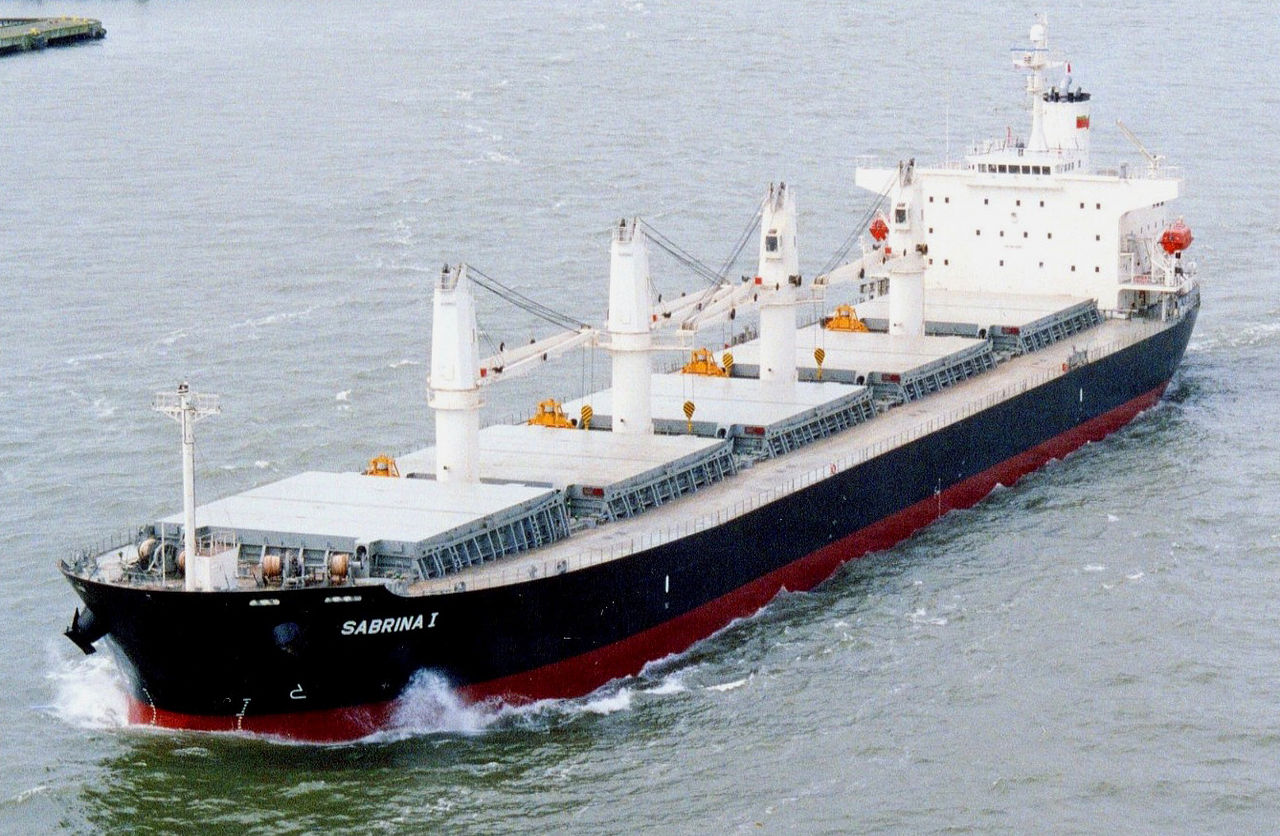
Sponsorship Before Joining a Deck Cadet Course
Sponsorship before joining a deck cadet course refers to financial and employment support provided by shipping companies or manning agencies to aspiring deck cadets, covering training fees, living expenses, and guaranteed sea training positions in exchange for contractual commitments. This mutually beneficial arrangement enables candidates from modest financial backgrounds to pursue maritime careers while ensuring shipping companies secure qualified officers for their fleets. According to the International Chamber of Shipping (ICS), approximately 35-40% of deck cadets globally receive some form of sponsorship from shipping companies or government maritime development programs [ICS Seafarer Workforce Report, 2021].
Sponsored cadets typically receive:
- Full or partial tuition fee coverage (pre-sea training and certification examination fees)
- Monthly stipends during shore-based training ($200-$500 USD per month)
- Guaranteed sea training positions upon completing pre-sea training
- Monthly wages during sea training ($400-$800 USD per month)
- Career development opportunities with sponsoring companies
In return, sponsored cadets commit to:
- Completing training successfully and maintaining minimum academic standards
- Serving minimum contract periods with the sponsoring company (typically 2-5 years)
- Repaying sponsorship costs if contractual obligations are not fulfilled
Why Do Shipping Companies Offer Sponsorship?
The global shipping industry faces a persistent shortage of qualified deck officers, particularly in specialized vessel segments such as LNG carriers, chemical tankers, and ultra-large container ships. According to a 2022 study by the Baltic and International Maritime Council (BIMCO) and the International Chamber of Shipping (ICS), the global maritime sector faces a shortfall of approximately 26,000 deck officers, projected to increase to 90,000 by 2026 if training and retention do not improve [BIMCO/ICS Manpower Report, 2022].
Sponsorship programs address this shortage by:
1. Securing Future Officer Pipeline
Companies invest in cadets knowing they will have trained officers specifically for their fleet requirements. Sponsored cadets familiar with company procedures, vessel types, and operational standards integrate faster than external hires.
2. Reducing Recruitment Costs
Training and retaining officers costs less than perpetually recruiting experienced officers in competitive labor markets. The cost of sponsoring a cadet through training ($15,000-$30,000) is significantly lower than the premiums paid to attract experienced officers from competitors.
3. Building Company Loyalty
Sponsored cadets often develop strong loyalty to companies that invested in their careers. Many remain with sponsoring companies for decades, reducing turnover rates and institutional knowledge loss.
4. Meeting Regulatory Requirements
Some flag states and maritime authorities incentivize or require shipping companies to sponsor cadet training as part of licensing conditions. For example, Norway, the United Kingdom, and Singapore have cadet training levy systems encouraging company participation.
5. Corporate Social Responsibility
Major shipping companies view cadet sponsorship as social investment in maritime workforce development. Companies like Maersk, MSC, Evergreen, and NYK Line sponsor hundreds of cadets annually as part of sustainability and community development initiatives.
What Types of Sponsorship Are Available?
Sponsorship programs vary in coverage, obligations, and selection criteria.
Full Sponsorship
Coverage:
- 100% tuition fees for pre-sea training (DNS, B.Sc. Nautical Science, or equivalent)
- Monthly stipends during shore-based training ($300-$600 USD per month)
- Accommodation and meals (if residential training program)
- STCW certification costs (Basic Safety Training, medical certificates, etc.)
- Guaranteed sea training position
- Monthly wages during sea training ($500-$1,000 USD per month)
- Post-qualification employment as Second Mate
Contractual Obligation:
- Serve minimum 3-5 years with sponsoring company after certification
- Maintain academic performance (minimum 60-70% grades)
- No premature resignation without repaying sponsorship costs
Offered By:
- Major international shipping companies (Maersk, MSC, Evergreen, NYK Line, MOL)
- National shipping corporations (Shipping Corporation of India, MISC Malaysia, PIL Singapore)
- Large manning agencies with exclusive ship management contracts
Example: Maersk Training Sponsorship Program
Maersk offers comprehensive sponsorship covering tuition, stipends, and guaranteed employment. Sponsored cadets complete pre-sea training at Maersk Training centers in Denmark, India, or the Philippines, followed by 18 months of sea training on Maersk vessels. Upon qualification, cadets join as Second Mates with clear career progression pathways.
Partial Sponsorship
Coverage:
- 50-70% tuition fee coverage
- Guaranteed sea training position (but limited or no stipend during shore training)
- Monthly wages during sea training ($400-$700 USD per month)
Contractual Obligation:
- Serve minimum 2-3 years with sponsoring company
- Repay partial sponsorship costs if contract breached
Offered By:
- Regional shipping companies
- Smaller manning agencies
- Government maritime development programs (partial subsidy + company support)
Example: Regional Tanker Company Sponsorship
A regional tanker operator offers 60% tuition coverage and guaranteed sea training on product tankers. Cadets pay 40% of tuition fees themselves but receive standard wages during sea training and preferential employment after qualification.
Post-Qualification Sponsorship
Coverage:
- No upfront financial support during pre-sea training
- Guaranteed sea training position upon completing pre-sea training at cadet's own expense
- Monthly wages during sea training ($400-$800 USD per month)
- Preferential employment as Second Mate after qualification
Contractual Obligation:
- Serve minimum 1-2 years with company after qualification
- No financial repayment obligation (since no upfront sponsorship provided)
Offered By:
- Smaller shipping companies
- Specialized vessel operators (offshore, cruise, ro-ro)
- Companies recruiting cadets who completed pre-sea training independently
Example: Container Shipping Company Post-Qualification Support
A mid-size container shipping company does not provide pre-sea training sponsorship but guarantees sea training positions to top-performing graduates from maritime academies. Cadets who complete 18 months of sea training receive employment offers as Second Mates.
Government-Sponsored Programs
Coverage:
- Full or partial tuition coverage funded by government maritime development agencies
- Monthly stipends during training
- Placement assistance for sea training (but not guaranteed)
Contractual Obligation:
- Serve in national merchant fleet for specified period (2-5 years)
- Some programs require cadets to serve on domestically flagged vessels
Offered By:
- National maritime authorities (India's DG Shipping, Philippine MARINA, Singapore MPA)
- Maritime development funds (UK's Maritime Skills Commission, Norway's Maritime Training Fund)
Example: India's Maritime Training Scholarship Program
The Directorate General of Shipping (DGS) India offers scholarships covering 100% tuition for economically disadvantaged students admitted to DNS programs. Scholarship recipients receive monthly stipends and placement assistance for sea training through partnerships with Indian shipping companies.
How to Apply for Deck Cadet Sponsorship
Sponsorship applications are highly competitive, with acceptance rates ranging from 5-20% depending on the company and program.
Step 1: Research Sponsorship Opportunities
Identify companies and programs offering sponsorship:
- Shipping company websites: Most major companies advertise cadet sponsorship programs on their careers pages
- Maritime academy placement cells: Many maritime training institutes have partnerships with shipping companies
- Manning agencies: Some agencies specialize in cadet recruitment for multiple shipping companies
- Government maritime authorities: Check for national cadet sponsorship schemes
- Industry job boards: Maritime employment websites (CrewSeekers, MaritimeJobs, ShipServ) list sponsorship opportunities
Create a shortlist of programs matching your qualifications and preferences (vessel type, company reputation, geographic location).
Step 2: Verify Eligibility Criteria
Common eligibility requirements:
- Age: 17-25 years (varies by program)
- Academic qualifications: 10+2 with Physics, Chemistry, Mathematics (50-70% minimum aggregate)
- Medical fitness: Valid Seafarer's Medical Certificate including vision and color vision standards
- English proficiency: TOEFL/IELTS scores (for international programs) or English medium education
- Physical fitness: Ability to perform physically demanding tasks
- No criminal record: Police clearance certificate
Some elite programs have additional requirements:
- Entrance examination scores: Top 10-20% in IMU-CET or equivalent
- Psychometric assessments: Aptitude tests measuring problem-solving, spatial reasoning, and decision-making
- Swimming proficiency: Ability to swim 100 meters unassisted
Step 3: Prepare Application Documents
Standard documents required:
- Completed application form: Available on company website or recruitment portal
- Academic transcripts: 10th and 12th standard mark sheets (certified copies)
- Passport-sized photographs: Recent photos (usually 4-6 copies)
- Seafarer's medical certificate: Valid certificate from authorized maritime medical examiner
- Proof of identity: Passport, birth certificate, or national ID card
- Character references: Letters from teachers, professors, or community leaders
- Statement of purpose: Essay explaining your motivation for maritime career and why you deserve sponsorship
Additional documents for international programs:
- English proficiency test scores: TOEFL (minimum 80 iBT) or IELTS (minimum 6.0)
- Passport: Valid for at least 2 years
- Financial statements: Proof of ability to cover non-sponsored expenses (if partial sponsorship)
Pro tip: Prepare a professional CV highlighting academic achievements, extracurricular activities, leadership roles, and any maritime-related experiences (port visits, maritime festivals, relevant internships).
Step 4: Submit Application
Application methods:
- Online application portals: Most major companies use online systems (e.g., Maersk Careers, Evergreen Marine recruitment portal)
- Email submission: Some companies accept applications via email to designated recruitment addresses
- In-person submission: Smaller companies or manning agencies may require physical document submission
Application deadlines:
- Most programs recruit annually or bi-annually (January-March and July-September intake)
- Application windows typically open 4-6 months before training commencement
- Late applications are rarely accepted due to high competition
Track your application using reference numbers provided during submission.
Step 5: Appear for Selection Process
Typical selection stages:
Stage 1: Document Screening (Pass/Fail)
Recruiters verify academic qualifications, medical fitness, and completeness of application documents. Approximately 40-60% of applications are rejected at this stage due to missing documents or failing minimum criteria.
Stage 2: Written Examination (30-40%)
Aptitude test covering Mathematics, Physics, English, and General Knowledge. Format similar to IMU-CET or SAT.
Example topics:
- Mathematics: Trigonometry, algebra, geometry, calculus basics
- Physics: Mechanics, optics, magnetism, fluid dynamics
- English: Comprehension, grammar, vocabulary
- General Knowledge: Maritime industry, geography, current events
Passing score: Typically 60-70%
Stage 3: Personal Interview (20-30%)
Panel interview (usually 20-30 minutes) with senior officers, human resources managers, and technical experts.
Common interview questions:
- Why do you want to become a deck officer?
- What do you know about our company?
- How do you handle stress and isolation?
- Describe a situation where you demonstrated leadership
- What are your long-term career goals?
- Are you willing to spend 6-9 months at sea away from family?
Interviewers assess:
- Communication skills
- Confidence and professionalism
- Motivation and commitment
- Cultural fit with company values
Stage 4: Medical Examination (Pass/Fail)
Comprehensive medical examination at company-designated maritime medical centers verifying compliance with STCW medical standards.
Stage 5: Final Selection and Offer Letter
Successful candidates receive offer letters specifying:
- Sponsorship terms (tuition coverage, stipends, sea training guarantee)
- Contractual obligations (minimum service period, academic performance requirements)
- Training commencement date and location
- Bond amount (repayment obligation if contract breached)
Accept the offer within the specified timeframe (typically 7-14 days) and complete enrollment formalities.
What Are the Benefits of Sponsorship?
Financial Benefits
1. Zero upfront costs: Sponsored cadets from economically disadvantaged backgrounds can pursue maritime careers without personal financial burden.
2. Monthly income during training: Stipends during shore training and wages during sea training provide financial independence.
3. No education loans: Avoid debt burden associated with self-funded maritime education ($10,000-$40,000).
Career Benefits
1. Guaranteed employment: Sea training and post-qualification jobs are assured, eliminating job search uncertainty.
2. Faster career progression: Sponsored cadets often receive preferential promotion opportunities within sponsoring companies.
3. Specialized training: Exposure to company-specific vessel types (LNG, chemical tankers, specialized cargo) enhances competency.
4. Mentorship and networking: Access to experienced officers and industry connections accelerates professional development.
Educational Benefits
1. Quality training: Sponsoring companies typically select reputable maritime academies ensuring high-quality education.
2. Additional certifications: Some companies fund advanced courses (ship handling, dynamic positioning, LNG cargo training) beyond basic requirements.
3. International exposure: Multi-national companies provide opportunities to sail on vessels worldwide.
What Are the Obligations and Risks?
Contractual Obligations
1. Minimum service period: Typically 2-5 years after qualification as Second Mate.
2. Academic performance: Maintain minimum grades (60-70%) throughout training. Failure may result in sponsorship withdrawal.
3. Conduct standards: Adhere to company code of conduct. Disciplinary issues can lead to sponsorship termination.
4. Bond repayment: If you resign before completing the minimum service period, repay sponsorship costs (typically $10,000-$30,000).
Potential Risks
1. Limited company choice: Sponsored cadets are contractually bound to the sponsoring company, limiting flexibility to join competitors.
2. Specific vessel types: You may be assigned to vessel types you prefer less (e.g., tankers instead of container ships).
3. Geographic restrictions: Some companies operate primarily in specific regions, limiting exposure to diverse ports.
4. Financial liability: Breaching contract due to personal reasons (family emergencies, health issues) still requires bond repayment.
Frequently Asked Questions
Can I apply for multiple sponsorships simultaneously?
Yes, you can apply to multiple companies simultaneously. However, once you accept an offer and sign a contract, you are legally bound to that sponsorship. Do not accept multiple offers simultaneously, as it constitutes breach of contract.
What happens if I fail my certification exams after sponsorship?
Most companies allow 2-3 examination attempts. If you fail repeatedly, the sponsorship may be terminated, and you may be required to repay costs. Some companies offer extended support and additional coaching for struggling cadets.
Can I leave the sponsoring company after completing my bond period?
Yes. After fulfilling your contractual obligation (typically 2-5 years), you are free to resign and join other companies without any financial penalty.
Is sponsorship better than self-funded training?
Sponsorship is ideal if you cannot afford training costs ($10,000-$40,000). However, self-funded cadets have greater flexibility in choosing companies and vessel types after qualification. Evaluate based on your financial situation and career priorities.
What if the sponsoring company goes bankrupt during my training?
Maritime authorities typically intervene to ensure cadets complete training. Your sea service documentation remains valid, and you can complete remaining sea time with other companies. Tuition already paid is usually covered by company liquidation processes, though stipends may be affected.
Can international students get sponsorship from foreign companies?
Yes, many international shipping companies (Maersk, MSC, Evergreen) sponsor international cadets. However, you must meet visa requirements, English proficiency standards, and maritime medical standards of the flag state.
Conclusion
Sponsorship before joining a deck cadet course provides financial support, guaranteed employment, and career development opportunities for aspiring maritime professionals. While contractual obligations limit short-term flexibility, the long-term benefits—particularly for candidates from modest financial backgrounds—far outweigh the constraints. Thorough research, diligent application preparation, and realistic assessment of contractual terms ensure successful sponsorship experiences that launch fulfilling maritime careers.
References & Citations
[ICS Seafarer Workforce Report, 2021] International Chamber of Shipping. Seafarer Workforce Report 2021. London: ICS, 2021.
[BIMCO/ICS Manpower Report, 2022] Baltic and International Maritime Council and International Chamber of Shipping. Seafarer Workforce Report 2022. Copenhagen/London: BIMCO/ICS, 2022.