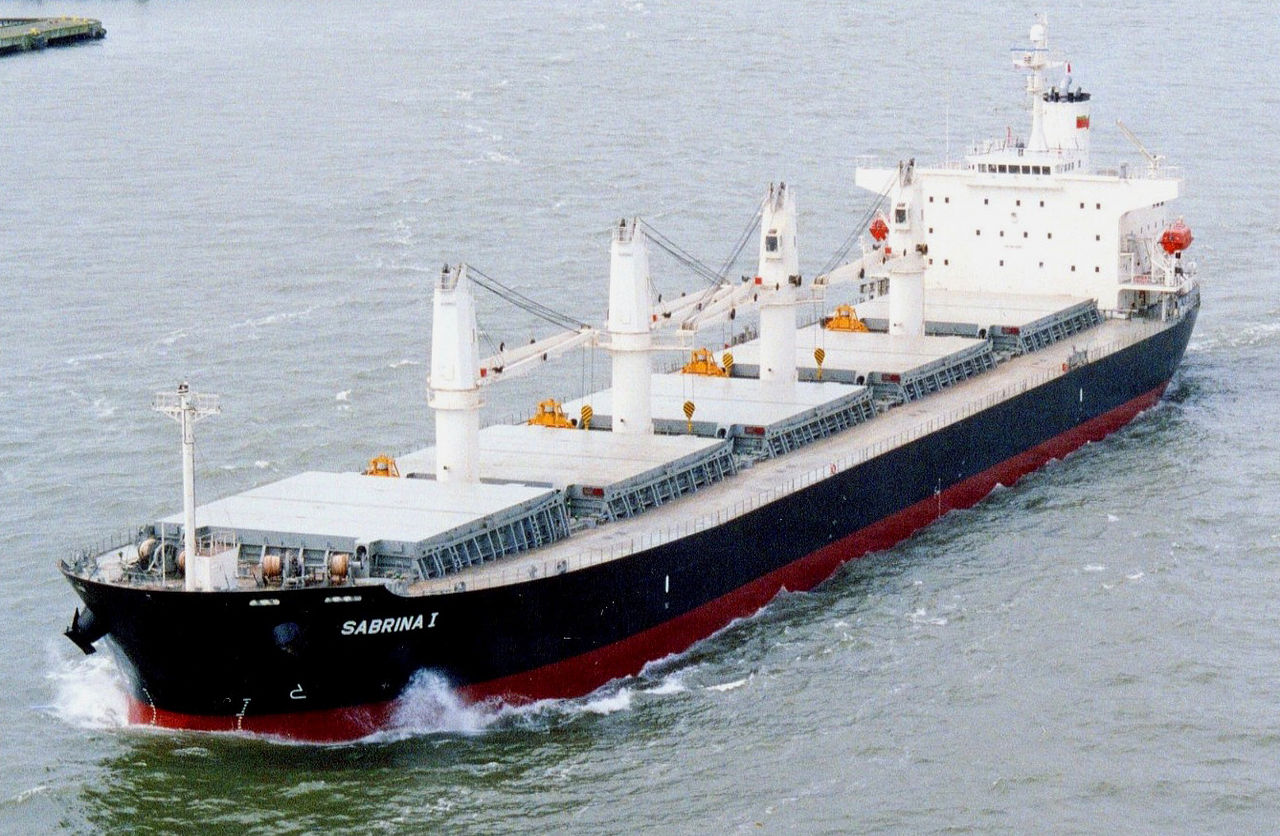
Port of Kandla Guide: A Complete Career Roadmap for Merchant Navy Aspirants
Introduction
This guide explains how to start and advance a Merchant Navy career focused on the Port of Kandla, one of India’s busiest western seaports handling over 70 million tonnes of cargo annually [UNCTAD, 2022]. The port’s strategic location on the Arabian Sea makes it a hub for bulk carriers, container ships, and offshore supply vessels. Whether you are a fresh graduate or an experienced seafarer, understanding the specific requirements, training pathways, and day‑to‑day responsibilities at Kandla is essential for securing a rewarding position. Readers will learn eligibility criteria, the training roadmap, typical duties, salary expectations, and a step‑by‑step process to get on board.
Before You Begin
| Item | Details |
|---|---|
| Prerequisites | Indian citizenship (or relevant visa), basic literacy in English, and a clean maritime background check. |
| Required Qualifications | Minimum 10+2 with Physics, Chemistry, and Mathematics or a B.Sc. Nautical Science degree. |
| Required Equipment | Personal protective equipment (PPE) as per IMO standards, waterproof boots, and a reliable navigation watch. |
| Required Documents | Seafarer’s Identification and Record Book (SIRB), passport, STCW certificates, medical fitness certificate, and police verification. |
| Required Tools | Navigation software (e.g., ECDIS), handheld VHF radio, and personal logbook. |
| Estimated Time | 12–18 months from enrollment to first assignment. |
| Estimated Cost | INR 1.8–2.5 lakh for STCW courses and academy fees (subject to subsidies). |
| Safety Precautions | Follow IMO’s “Safety of Life at Sea” (SOLAS) regulations; always wear PPE during deck operations. |
| Relevant Regulations | STCW 1978 (as amended 2010) [IMO, 2010], Indian Ports Act 1935, and the Port of Kandla Master Plan 2021. |
Step-by-Step Guide
Step 1: Understand the Operational Landscape of the Port of Kandla
Objective: Gain a clear picture of the port’s cargo profile, traffic density, and key stakeholders.
Instructions:
- Review the latest Port Authority Annual Report (2023) for vessel call statistics.
- Identify the main cargo types: coal, petroleum products, and containerized goods.
- Map out the main berths (e.g., Berth 1–4) and their specific handling equipment.
Why This Step Matters: Knowing the port’s operational focus helps you target the right vessel type (e.g., bulk carrier vs. container ship) during job applications.
Pro Tips: Subscribe to the Indian Maritime News portal for weekly traffic updates.
Common Mistakes: Assuming all ships at Kandla are container vessels; many bulk carriers dominate the schedule.
Example: A candidate interested in bulk carrier operations should highlight experience with grain or ore handling in their CV.
Step 2: Verify Eligibility and Secure Required Certifications
Objective: Ensure you meet all statutory and company‑specific criteria before applying.
Instructions:
- Confirm age limit (18–35 years) and educational qualifications.
- Obtain a Medical Fitness Certificate compliant with IMO’s Medical Standards (Regulation III/2) [IMO, 2021].
- Enroll in the mandatory STCW Basic Safety Training (Personal Survival Techniques, Fire Fighting, First Aid).
- Acquire Certificate of Competency (CoC) appropriate for your intended deck rank (e.g., Officer of the Watch).
Why This Step Matters: Without valid STCW certificates, most Indian shipping companies will reject your application.
Pro Tips: Use the Advanced Maritime Certificates in India course portal for fast‑track certification (https://merchantnavy.co/courses/advanced-maritime-certificates-in-india/).
Common Mistakes: Ignoring the renewal dates of STCW certificates; they must be valid for at least 12 months before joining.
Example: A candidate who completed the B.Sc. Nautical Science program received a CoC after a 6‑month sea service requirement, satisfying the eligibility checklist.
Step 3: Choose a Training Path Aligned with the Port’s Needs
Objective: Select an education and training route that maximizes employability at Kandla.
Instructions:
- Decide between a pre‑sea academy (e.g., Indian Maritime University) or a Diploma in Nautical Science (DNS).
- Enroll in STCW courses such as Engine Room Watchkeeping (if targeting ETO roles) or Radar Observer (for navigation watches).
- Complete a sea‑time apprenticeship of at least 12 months on a vessel calling at Kandla.
- Attend the Port of Kandla Orientation Programme offered by the Port Authority (once a year).
Why This Step Matters: The port’s preference for crew familiar with its specific berthing procedures leads to higher placement rates.
Pro Tips: Combine the Maritime Management Courses in India with a short internship at the Port Authority for added credibility (https://merchantnavy.co/courses/maritime-management-courses-in-india/).
Common Mistakes: Skipping the orientation programme, which results in longer acclimatization periods on the ship.
Example: A trainee completed a Marine Engineering Course and subsequently secured a junior engine officer slot on a tanker regularly loading crude at Kandla.
Step 4: Apply for Positions and Prepare for the Interview
Objective: Navigate the recruitment process efficiently.
Instructions:
- Register on the Port Authority’s recruitment portal and upload your SIRB, CoC, and medical certificate.
- Tailor your CV to highlight experience with bulk cargo handling, berth operations, and port safety drills.
- Prepare for technical interview questions (e.g., “Explain the procedure for a cargo shift during a storm at Kandla”).
- Attend the pre‑employment medical exam at an authorized maritime hospital.
Why This Step Matters: A well‑prepared application reduces the time between submission and placement.
Pro Tips: Reference the How to Join the Merchant Navy in India guide when drafting your cover letter (https://merchantnavy.co/careers/how-to-join-the-merchant-navy-in-india/).
Common Mistakes: Using a generic CV; recruiters at Kandla look for port‑specific competencies.
Example: An applicant who cited the Port of Kandla Master Plan 2021 in their interview demonstrated strategic awareness and secured the role.
Step 5: Embark on Your First Assignment and Master Daily Duties
Objective: Transition smoothly onto a vessel operating out of Kandla.
Instructions:
- Attend the Ship’s Induction covering safety, communication protocols, and emergency procedures.
- Perform watch‑keeping duties (navigation or engine) as per your rank, logging all observations in the ship’s logbook.
- Participate in cargo operations: monitor loading plans, supervise stevedores, and verify cargo stowage.
- Conduct port safety drills weekly, adhering to SOLAS and Indian Port Authority guidelines.
Why This Step Matters: Consistent performance in these areas builds a reputation for reliability, essential for future promotions.
Pro Tips: Keep a personal log of Port of Kandla nuances (e.g., tidal patterns) for quick reference during subsequent voyages.
Common Mistakes: Overlooking local traffic rules, such as the mandatory speed limit of 8 knots within the anchorage area.
Example: A junior officer used a tide table specific to Kandla to adjust the ship’s arrival time, preventing a costly berthing delay.
Step 6: Plan Career Progression and Continuous Development
Objective: Map out a long‑term trajectory from junior officer to senior management.
Instructions:
- Accumulate sea service: 12 months for Officer of the Watch, 36 months for Chief Officer eligibility.
- Pass the Marine Surveyor Examination (if aiming for senior deck roles).
- Pursue advanced certifications such as the Electro Technical Officer (ETO) Course for cross‑departmental expertise (https://merchantnavy.co/courses/electro-technical-officer-eto-course-in-india/).
- Attend Port Authority workshops on emerging technologies like automated cargo handling.
Why This Step Matters: Structured progression aligns with the Indian Merchant Navy’s promotion matrix and opens doors to managerial positions at the port.
Pro Tips: Keep an updated career development plan and review it annually with your ship’s mentor.
Common Mistakes: Neglecting continuous education; many promotions now require digital competency certifications.
Example: An officer who completed the STCW Advanced Fire Fighting course was promoted to Chief Officer after 3 years of service.
After Completion
- Verify Success: Confirm that your CoC is endorsed for Kandla operations and that you have completed the port orientation.
- Expected Outcome: Full integration into the ship’s crew with the ability to handle Kandla‑specific cargo operations safely.
- Next Recommended Actions: Enroll in a Leadership Development Programme offered by major shipping lines.
- Maintenance Tasks: Renew STCW certificates every 5 years and update your logbook with any changes in port regulations.
Troubleshooting
| Problem | Possible Cause | Recommended Solution |
|---|---|---|
| Rejection due to “invalid CoC” | Certificate expired or not endorsed for Indian waters | Renew CoC through the Directorate General of Shipping (DGS) and obtain Indian endorsement. |
| Difficulty securing berth at Kandla | Lack of familiarity with local cargo handling procedures | Attend the Port of Kandla Orientation Programme and shadow an experienced officer. |
| Low performance during watch‑keeping | Inadequate understanding of ECDIS | Complete an ECDIS Operator Course (STCW‑A‑V/1) and practice simulations. |
Best Practices
- Maintain a personal knowledge base on Kandla’s tidal cycles, weather patterns, and berth allocation rules.
- Network with port officials during shore leave; relationships often lead to faster crew changes.
- Adopt a safety‑first mindset: always verify cargo lashings and conduct pre‑departure safety checks.
- Stay updated with IMO circulars and Indian Port Authority notices to remain compliant.
Safety Considerations
- Always wear PPE when on deck, especially during cargo handling.
- Follow the SOLAS Chapter III fire safety protocol; conduct weekly drills.
- Observe the Port of Kandla speed limit of 8 knots in the anchorage zone to avoid collisions.
- Comply with the STCW Medical Standards; any health issue must be reported to the ship’s medical officer immediately.
Frequently Asked Questions
1. What are the minimum educational requirements to work at the Port of Kandla?
A minimum of 10+2 with Physics, Chemistry, and Mathematics or a B.Sc. Nautical Science degree is required. Candidates with a Diploma in Nautical Science (DNS) can also qualify after completing the requisite sea service and STCW certifications.
2. How long does it take to obtain the necessary STCW certificates?
The basic STCW package (Personal Survival Techniques, Fire Fighting, First Aid, and Medical First Aid) can be completed in 4 weeks at an approved maritime institute. Additional modules like Radar Observer or Engine Room Watchkeeping add 2–3 weeks each.
3. What is the typical salary for a junior deck officer at Kandla?
Entry‑level deck officers earn ₹30,000–₹45,000 per month (approximately USD 360–540) plus allowances for overtime, port bonuses, and medical coverage, as reported by the Indian Shipping Ministry’s 2022 salary survey.
4. Are there specific health standards for seafarers at Kandla?
Yes. Seafarers must meet the IMO Medical Standards (Regulation III/2) and undergo a Port Health Authority medical examination before each assignment. Vision standards require a minimum of 6/6 (right eye) and 6/9 (left eye) corrected vision.
5. Can women join the Merchant Navy and work at the Port of Kandla?
Absolutely. The Can Girls Join the Merchant Navy in India policy confirms gender equality in recruitment, and many female officers now serve on vessels calling at Kandla (https://merchantnavy.co/eligibility/can-girls-join-the-merchant-navy-in-india/).
6. How does one advance from Junior Officer to Chief Officer?
Progression requires 12 months of sea service for Officer of the Watch, 36 months for Chief Officer eligibility, successful completion of the Marine Surveyor Examination, and continuous STCW refresher training.
Related Resources
- Advanced Maritime Certificates in India – STCW Certifications and Specialized Qualifications – https://merchantnavy.co/courses/advanced-maritime-certificates-in-india/
- B.Sc. Nautical Science in India – 4-Year Degree Program for Merchant Navy Officers – https://merchantnavy.co/courses/b-sc-nautical-science-in-india/
- How to Join the Merchant Navy in India – https://merchantnavy.co/careers/how-to-join-the-merchant-navy-in-india/
- Port of Visakhapatnam Guide – https://merchantnavy.co/ports/port-of-visakhapatnam-guide/
External Authority Links
- International Maritime Organization (IMO) – STCW Convention: https://www.imo.org/en/OurWork/HumanElement/Pages/STCW-Convention.aspx
- United Nations Conference on Trade and Development (UNCTAD) – Review of Maritime Transport 2022: https://unctad.org/publication/review-of-maritime-transport-2022
Conclusion
The Port of Kandla Guide equips aspiring seafarers with a clear, actionable pathway—from verifying eligibility and completing STCW training to securing a first assignment and advancing through the ranks. By adhering to the step‑by‑step process, respecting safety regulations, and leveraging the port’s unique operational environment, candidates can build a successful Merchant Navy career anchored at one of India’s most pivotal harbours.
References & Citations
- International Maritime Organization (IMO). STCW Convention, 1978 (as amended 2010). [IMO, 2010]
- United Nations Conference on Trade and Development (UNCTAD). Review of Maritime Transport 2022. [UNCTAD, 2022]
- Directorate General of Shipping, Government of India. Indian Ports Act 1935. [DGS, 1935]
- Port of Kandla Authority. Master Plan 2021. [Port Authority, 2021