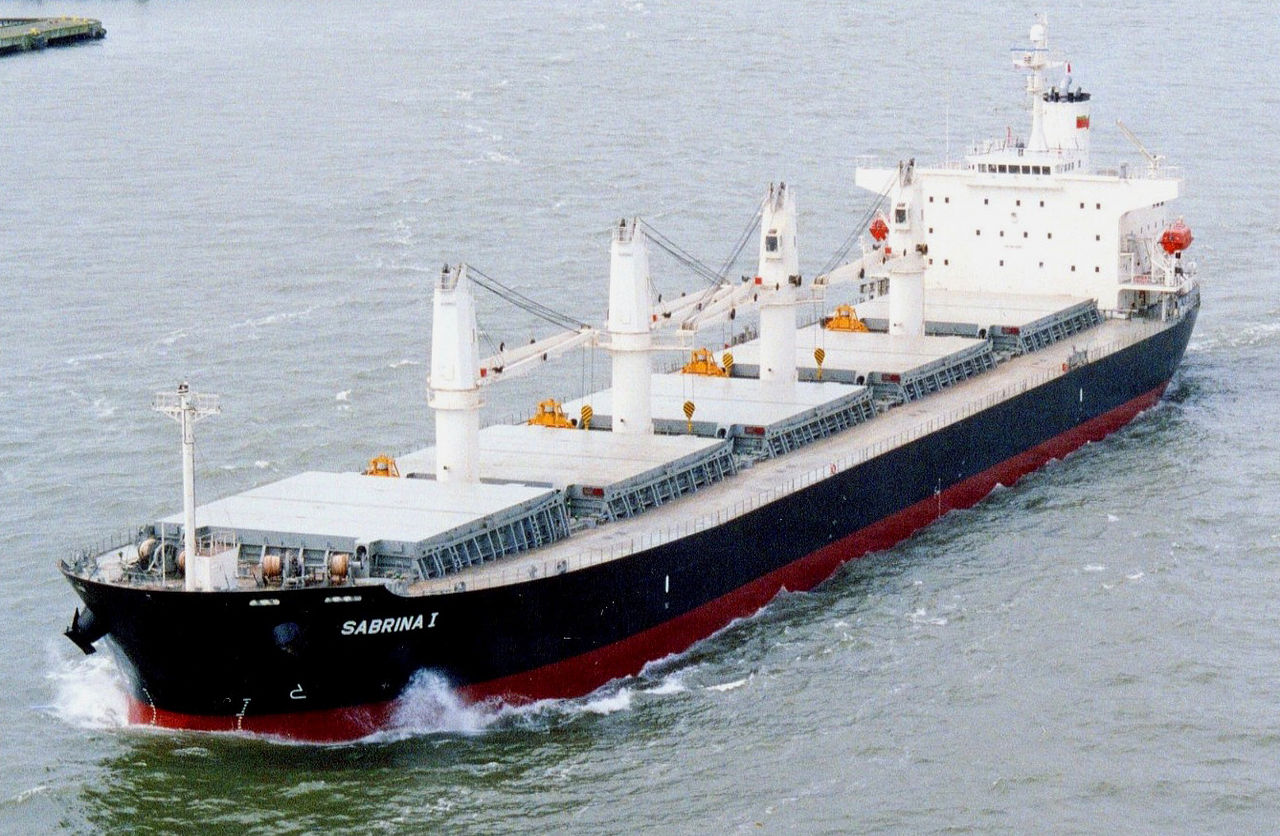
Merchant Seaman vs Merchant Navy
The terms "merchant seaman" and "merchant navy" refer to different concepts within the maritime industry, though they are often used interchangeably by the general public. Understanding the distinction is important for accurate communication and career planning.
A merchant seaman is an individual professional, while the Merchant Navy is the collective fleet of commercial vessels registered under a particular country. This article explains both terms in detail and clarifies common points of confusion.
What Is a Merchant Seaman?
A merchant seaman is a professional civilian mariner employed aboard commercial vessels that operate under a country's Merchant Navy. The term refers to the individual person working at sea, regardless of their specific rank, department, or vessel type.
Merchant seamen are responsible for operating and maintaining commercial ships that transport cargo, passengers, or specialized materials. They work in three main departments: Deck, Engine, and Steward.
Key Characteristics of a Merchant Seaman
- Individual professional: Refers to a single person employed in the maritime industry.
- Civilian status: Works for private shipping companies, not military organizations.
- STCW certified: Must hold mandatory training and certification under international regulations.
- Global workforce: Over 1.89 million merchant seamen operate the world's commercial fleet ICS, 2023].
- Career professional: Can progress from entry-level ratings to senior officer positions.
Examples of Correct Usage
- "He works as a merchant seaman on container ships."
- "She completed her training to become a merchant seaman."
- "The merchant seaman held a valid Certificate of Competency."
What Is the Merchant Navy?
The Merchant Navy is the collective fleet of commercial ships registered in a particular country that engage in international trade and domestic coastal shipping. It is not a military organization despite the word "navy" in its name.
Each country has its own Merchant Navy comprising vessels registered under its flag. These vessels transport cargo and passengers for commercial purposes. The term is used similarly to "Merchant Marine" in the United States.
Key Characteristics of the Merchant Navy
- Collective fleet: Refers to the entire commercial shipping fleet of a country.
- Commercial purpose: Engages in trade, not military operations.
- Country-specific: Each nation has its own Merchant Navy under its flag.
- Regulated body: Governed by the country's maritime administration (e.g., Directorate General of Shipping in India, MCA in the UK).
- Economic contributor: Transports approximately 90% of world trade by volume [UNCTAD, 2023].
Examples of Correct Usage
- "The Indian Merchant Navy operates over 1,500 vessels."
- "She joined the British Merchant Navy as a cadet."
- "The country's Merchant Navy contributes significantly to the national economy."
How Do the Two Terms Relate?
A merchant seaman is an individual who works within the Merchant Navy. The relationship is analogous to how a teacher works within the education system or a nurse works within the healthcare system.
The Relationship Explained
| Aspect | Merchant Seaman | Merchant Navy |
|---|---|---|
| Type | Individual person | Collective fleet |
| Scope | Personal career | National industry |
| Regulation | STCW, CoC, medical fitness | Flag state, IMO, SOLAS, MARPOL |
| Example | "John is a merchant seaman." | "John works in the Merchant Navy." |
| Training | Individual certifications | Institutional framework |
| Representation | Personal employment contract | National shipping register |
When someone says "I work in the Merchant Navy," they mean they are employed as a seafarer on commercial vessels registered under that country's flag. This is the most common and accepted way to describe the profession in many countries, particularly in the UK, India, and Commonwealth nations.
Common Colloquial Usage
In everyday conversation, people often use "Merchant Navy" to describe the career itself. For example:
- "I joined the Merchant Navy after completing my studies."
- "He has 20 years of experience in the Merchant Navy."
These statements are acceptable in casual usage, but the precise technical meaning is that the person works as a merchant seaman within the Merchant Navy.
What Are the Common Misconceptions?
Several misconceptions exist about the relationship between merchant seaman and Merchant Navy. Understanding these helps prevent confusion in professional and academic contexts.
Misconception 1: The Merchant Navy is Part of the Military
The Merchant Navy is a civilian commercial fleet, not a military organization. This is the most common misconception because of the word "navy."
- Merchant Navy: Civilian ships carrying cargo and passengers for profit.
- Naval Navy: Military warships serving national defense purposes.
- Key Difference: Merchant seamen are civilians; naval personnel are military members.
During wartime, the Merchant Navy may support military operations by transporting supplies, but its personnel remain civilians under international law.
Misconception 2: Merchant Seaman and Merchant Navy Are Synonyms
These terms are related but not synonymous. A merchant seaman is a person, while the Merchant Navy is a fleet of ships. Using them interchangeably can cause confusion in formal contexts.
- Correct: "India's Merchant Navy employs over 200,000 merchant seamen."
- Incorrect: "He is a Merchant Navy." (He is a merchant seaman.)
- Correct: "He works in the Merchant Navy as a merchant seaman."
Misconception 3: All Merchant Navies Are the Same
Each country's Merchant Navy operates under its own laws, regulations, and flag state requirements. While international conventions set minimum standards, individual countries have different rules for certification, taxation, and employment.
- Indian Merchant Navy: Regulated by the Directorate General of Shipping.
- British Merchant Navy: Regulated by the Maritime and Coastguard Agency.
- American Merchant Marine: Regulated by the US Coast Guard and MARAD.
Why Does the Distinction Matter?
Understanding the distinction between merchant seaman and Merchant Navy is important for several practical reasons.
Career Planning
When researching career pathways, you need to know which term to use when searching for information. Searching "how to join the Merchant Navy" will yield different results from "how to become a merchant seaman."
Professional Communication
In professional maritime contexts, using the correct terminology demonstrates industry knowledge. Maritime administrations, shipping companies, and training institutions use specific terminology in official documents.
Legal and Regulatory Context
Legal documents, certificates, and international conventions use precise terminology. The STCW Convention refers to "seafarers" (individuals), while flag state registers refer to "the Merchant Navy" (collective fleet).
Country-Specific Terminology
Different countries use different terminology for the same concepts. Understanding these variations is important for international career mobility.
| Country | Term for Fleet | Term for Individual | Regulatory Body |
|---|---|---|---|
| India | Merchant Navy | Seafarer/Merchant Seaman | Directorate General of Shipping |
| United Kingdom | Merchant Navy | Seafarer/Merchant Mariner | Maritime and Coastguard Agency |
| United States | Merchant Marine | Merchant Mariner | US Coast Guard |
| Philippines | Merchant Fleet | Seafarer/Filipino Seafarer | Maritime Industry Authority |
| Singapore | Merchant Fleet | Seafarer | Maritime and Port Authority |
| Canada | Merchant Marine | Seafarer/Mariner | Transport Canada |
Despite different terminology, all these countries are signatories to the STCW Convention and follow international maritime standards. A merchant seaman certified in one country can typically have their qualifications recognized in other countries.
Career Context: Which Term Should You Use?
In practice, both terms are used in different contexts within the maritime industry. Understanding when to use each term helps you communicate effectively.
When to Use "Merchant Seaman"
- Referring to an individual professional.
- Describing personal qualifications and experience.
- Discussing STCW certification and training.
- Writing resumes and job applications.
When to Use "Merchant Navy"
- Referring to the industry or sector.
- Describing the collective fleet of a country.
- Discussing national maritime policy.
- Answering the question "What industry do you work in?"
Example Career Conversation
Question: "What do you do for a living?"
Answer: "I work in the Merchant Navy as a navigation officer."
Question: "What is your profession?"
Answer: "I am a merchant seaman working on oil tankers."
Both answers are correct and commonly used in the industry.
Frequently Asked Questions
Is the Merchant Navy the same as the Royal Navy?
No, the Merchant Navy is a civilian commercial fleet, while the Royal Navy is the United Kingdom's military naval force. They operate under completely different chains of command and legal frameworks.
Can a merchant seaman join the military navy?
Yes, merchant seamen can apply for military naval positions, and their maritime experience is often valued. However, they would need to complete military training and accept different terms of service.
Do merchant seamen wear uniforms?
Yes, merchant seamen typically wear uniforms while on duty, especially officers. However, these are company-issued uniforms, not military uniforms, and indicate rank within the commercial shipping hierarchy.
Which country has the largest Merchant Navy?
As of 2023, Panama has the largest registered fleet by tonnage, followed by Liberia and the Marshall Islands. These are "flags of convenience" where many commercial vessels are registered.
Is it better to say "merchant seaman" or "seafarer"?
"Seafarer" is the more modern and inclusive term used in international regulations and the Maritime Labour Convention (MLC) 2006. "Merchant seaman" remains commonly used but is gradually being replaced by "seafarer" in official documents.
Key Takeaways
- A merchant seaman is an individual professional who works at sea on commercial vessels.
- The Merchant Navy is the collective fleet of commercial ships registered under a country's flag.
- The terms are related but not synonymous: merchant seamen work within the Merchant Navy.
- The Merchant Navy is a civilian commercial entity, not a military organization.
- Terminology varies by country, but international standards ensure global recognition of qualifications.
- Understanding the distinction helps with career planning, professional communication, and regulatory compliance.
References & Citations
- [ICS, 2023] International Chamber of Shipping. "Global Seafarer Workforce Report 2023."
- [UNCTAD, 2023] United Nations Conference on Trade and Development. "Review of Maritime Transport 2023."
- [STCW Code, 2010] International Maritime Organization. "STCW Convention and Code, 2010 Manila Amendments."
- [MLC, 2006] International Labour Organization. "Maritime Labour Convention, 2006."