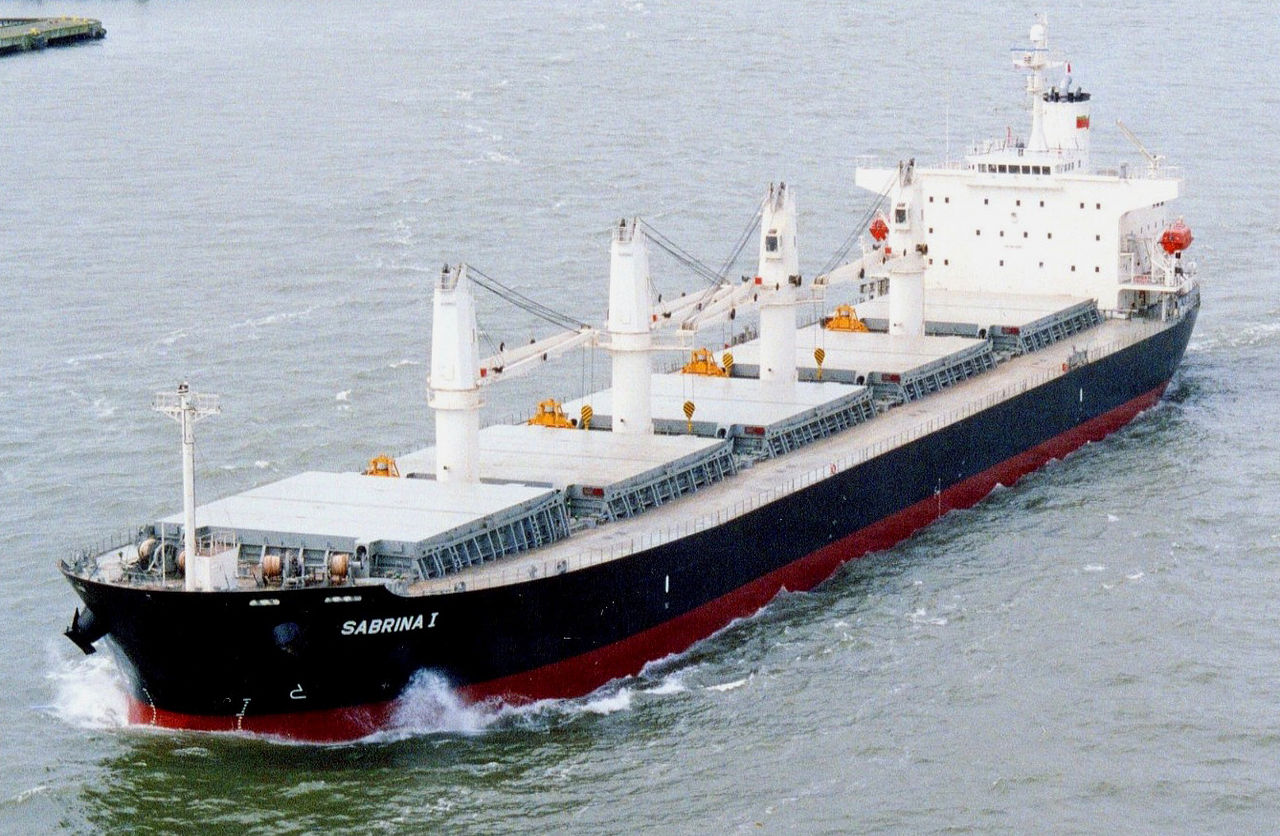
Understanding visa requirements is essential for merchant seamen who travel across borders to join vessels, take shore leave, or transit through international ports. Without the correct visa, seafarers risk denied entry, repatriation, and contract termination. This guide provides a step-by-step overview of the most common visa types for merchant seamen, application procedures, and compliance tips to ensure smooth global mobility.
Introduction
The merchant seaman visa guide explains the documentation needed for seafarers to legally enter countries for vessel joining, shore leave, or transit. Over 90% of global trade is carried by sea, and seafarers frequently cross international borders as part of their duties [IMO, 2023]. Visa requirements vary by nationality, port state, and purpose of travel, making advance planning critical.
This guide is intended for seafarers, crewing agents, and maritime employers who need to navigate visa regulations efficiently. Readers will learn about the C-1/D transit visa, Schengen seafarer provisions, country-specific requirements, and best practices for compliance.
Before You Begin
- Valid passport: Must be valid for at least 6 months beyond the intended date of travel.
- Seafarer's Identification Document (SID) or Continuous Discharge Certificate (CDC): Required as proof of seafarer status.
- Employment contract or letter from shipping company: Confirms the purpose and duration of travel.
- Completed visa application form: Specific to the country requiring the visa.
- Passport-sized photographs: Meeting ICAO standards (typically 2–4 photos).
- Proof of payment: Visa fees vary by country and visa type.
- Medical travel insurance: Required by some countries (e.g., Schengen states) for the duration of stay.
- Estimated processing time: Apply at least 4–6 weeks before travel to account for delays.
- Safety precautions: Never travel without the correct visa; attempting to enter a country without proper documentation can result in detention and fines.
Step-by-Step Guide to Obtaining Common Seafarer Visas
Step 1: Determine the Required Visa Type
Identify the visa needed based on the country you are entering and the purpose of your travel. The most common visas for merchant seamen are:
- C-1/D Visa (United States): For transit and entry to work on a vessel.
- Schengen Visa: For short stays in 29 European countries; seafarers may qualify for a "seafarer" purpose"seafarer" annotation.
- Country-Specific Work Visas: Such as China's Z visa, Brazil's VITEM V, or Russia's crew visa.
- Transit Visas: For passing through a country without disembarking (e.g., UAE transit permits).
Step 2: Gather Required Documents
Collect all documents required for the specific visa application. While requirements vary, typical documents include:
- Valid passport with blank visa pages.
- Completed visa application form (online or paper).
- Passport-sized photographs (meeting embassy specifications).
- Seafarer's CDC or SID.
- Letter of employment from the shipping company detailing vessel name, rank, and contract dates.
- Proof of payment for visa fees.
- Travel itinerary (flight details, if applicable).
- Medical insurance certificate (if required).
- Police clearance certificate (required by some countries for long-term stays).
Step 3: Submit the Application
Submit your application through the correct channel to avoid delays. Options include:
- Online submission: Many countries offer e-visa portals (e.g., Australia, India).
- In-person at embassy/consulate: Required for visas like the US C-1/D or Schengen visa.
- Through a visa agency: Authorized agencies can expedite processing for a fee.
- Employer sponsorship: Some countries allow the shipping company to submit the application on your behalf.
Step 4: Attend Interview (if Required)
Certain visas require an in-person interview at the embassy or consulate. Prepare by:
- Bringing all original documents and photocopies.
- Being ready to explain your travel purpose, vessel details, and return plans.
- Dressing professionally and answering questions truthfully.
- Providing additional documentation if requested by the consular officer.
Step 5: Wait for Processing and Collect Visa
Monitor your application status and collect the visa once approved. Processing times vary:
- US C-1/D: Typically 3–5 business days for interview waiver applicants; up to 2 weeks for those requiring an interview.
- Schengen Visa: 15 calendar days, but can extend to 30 or 60 days during peak seasons.
- Country-specific visas: Range from 5 days (e.g., Singapore) to 4+ weeks (e.g., Brazil, Russia).
Once approved, collect your passport with the visa sticker or receive the e-visa via email. Verify all details for accuracy before travel.
Step 6: Prepare for Travel
Ensure you have all necessary documents for port entry and shore leave. Carry:
- Passport with valid visa.
- CDC or SID.
- Employment contract.
- Copy of visa approval notice.
- Emergency contact information for your shipping agent and embassy.
After Completion
- Verify visa validity: Check the entry and exit dates to ensure they cover your entire travel period.
- Make copies: Store digital and physical copies of your visa in separate locations.
- Inform your employer: Notify your shipping company or crewing agency of the visa details.
- Plan next steps: If your visa is single-entry, plan for re-entry if needed; if multiple-entry, note the number of allowed entries.
Troubleshooting
Problem: Visa Application Denied
Cause: Incomplete documentation, insufficient proof of ties to home country, or prior immigration violations.
Solution: Review the denial notice, address the cited issues, and reapply with additional evidence (e.g., property ownership, family ties, or guaranteed return flight).
Problem: Processing Delay
Cause: High application volume, missing documents, or background checks.
Solution: Contact the embassy or visa application center for status updates. Consider expedited processing if available and necessary.
Problem: Visa Errors (e.g., wrong name, dates)
Cause: Clerical error during issuance.
Solution: Return the passport to the issuing authority immediately for correction. Do not travel with an incorrect visa.
Problem: Visa Expires During Contract
Cause: Failure to align visa validity with contract duration.
Solution: Apply for a visa extension or new visa before the current one expires. Some countries allow in-country extensions; others require departure and reapplication.
Best Practices
- Apply early: Start the visa process at least 6 weeks before your intended travel date.
- Use official channels: Apply directly through government embassy websites or authorized visa centers to avoid scams.
- Keep records: Maintain a folder (digital and physical) of all visa applications, approvals, and correspondence.
- Check for updates: Visa policies change frequently; verify requirements on the official embassy website before each application.
- Leverage employer support: Many shipping companies have dedicated visa departments or agents to assist seafarers.
- Consider multiple-entry visas: If you frequently travel to the same country, apply for a multiple-entry visa to save time and fees.
Safety Considerations
- Never falsify documents: Providing false information on a visa application can lead to permanent bans and criminal charges under immigration laws of most countries.
- Carry originals: Always carry the original passport and visa; copies are not sufficient for immigration clearance.
- Respect visa conditions: Adhere to the stated purpose (e.g., transit vs. shore leave) and duration of stay to avoid overstaying penalties.
- Know your rights: If detained, you have the right to contact your embassy and request legal assistance under international consular relations conventions [Vienna Convention, 1963].
Frequently Asked Questions
Do I need a visa for shore leave if I have a C-1/D visa?
The C-1/D visa allows transit and entry to work on a vessel in the US. For shore leave, you may need additional permission from Customs and Border Protection (CBP), but the C-1/D generally permits limited shore leave for crew members [US CBP, 2023].
Can I apply for a seafarer visa online?
Many countries offer e-visa options for seafarers, including Australia, India, and Singapore. However, visas like the US C-1/D and Schengen visa typically require an in-person interview or biometric submission.
How long is a seafarer visa valid?
Validity varies: US C-1/D visas are usually valid for up to 5 years with multiple entries; Schengen visas are short-stay (up to 90 days within 180 days); country-specific work visas may be valid for the duration of your employment contract.
What if my passport expires while I have a valid visa?
Some countries allow you to travel with both the old (valid visa) and new passport; others require transferring the visa to the new passport. Check with the issuing embassy for specific procedures.
Are there visa exemptions for seamen?
Certain nationalities enjoy visa-free transit or shore leave privileges in specific port states (e.g., Schengen visa-free countries for short stays). However, exemptions are rare and depend on bilateral agreements; always verify before travel.
Related Resources
- Guides: [Merchant Seaman Passport Requirements], [Merchant Seaman Medical Certificate]
- Regulations: [IMO, 2022] International Ship and Port Facility Security (ISPS) Code; [ILO, 2022] Seafarers' Identity Documents Convention.
- Tools: VisaHQ, iVisa, and official embassy visa calculators for fee and processing time estimates.
- Checklists: [Merchant Seaman Identity Documents] checklist for travel document preparation.
- Supporting Articles: [How to Become a Merchant Seaman], [Merchant Seaman Jobs by Country]
Conclusion
Proper visa preparation is a critical aspect of a merchant seaman's professional readiness. By understanding the requirements for common seafarer visas, gathering the necessary documents, and following application procedures diligently, seafarers can avoid costly delays and ensure compliance with international immigration laws. Always verify the latest requirements with the destination country's embassy or consulate, as visa policies are subject to change. With the correct visa in hand, you can focus on your duties at sea and enjoy seamless global mobility.
References & Citations
- [IMO, 2023] International Maritime Organization. "Seafarer's Identity Document Guidelines."
- [ILO, 2022] International Labour Organization. "Seafarers' Identity Documents Convention (Revised), 2003 (No. 185)."
- [US CBP, 2023] U.S. Customs and Border Protection. "Travel Documents for Crewmembers."
- [US DOS, 2023] U.S. Department of State. "C-1/D Visa for Crewmembers and Transit Passengers."
- [IMO, 2022] International Maritime Organization. "International Ship and Port Facility Security (ISPS) Code."
- [Vienna Convention, 1963] United Nations. "Vienna Convention on Consular Relations."