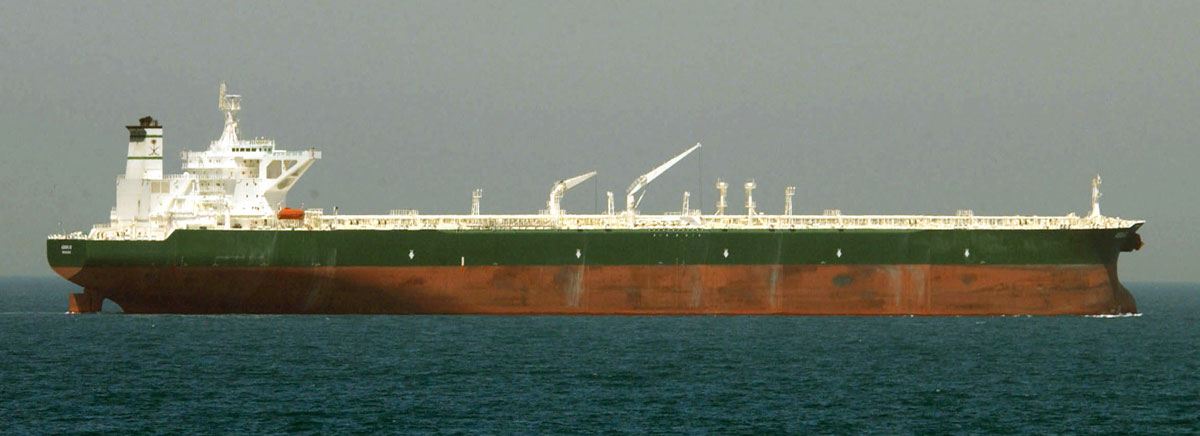
A successful merchant seaman needs a combination of technical knowledge, practical seamanship, communication abilities, and personal resilience to operate safely in the world's most demanding work environment. The modern shipping industry requires seafarers to master everything from traditional knot-tying to advanced electronic navigation systems. According to the International Chamber of Shipping, the global shortage of qualified officers means that seafarers with the right skills are in high demand worldwide [ICS, 2023].
This listicle covers the 10 most important skills every merchant seaman needs to build a successful career at sea.
1. Navigation and Watchkeeping
Navigation is the foundational skill for all deck officers and a critical understanding for every seafarer. Modern navigation combines traditional techniques with sophisticated electronic systems.
- Traditional skills: Celestial navigation, chart plotting, coastal navigation, bearing and distance calculations
- Electronic navigation: ECDIS (Electronic Chart Display and Information System), GPS, radar, ARPA, AIS
- Watchkeeping: Maintaining a proper lookout, collision avoidance using COLREGs, bridge resource management
- Meteorology: Weather routing, interpreting weather charts, understanding ocean currents and tides
- Certification: STCW OICNW (Officer in Charge of a Navigational Watch)
Navigational errors account for approximately 25% of maritime casualties. Accurate navigation requires constant vigilance and continuous professional development.
2. Marine Engineering and Technical Knowledge
Engineering skills keep the vessel running and are essential for all engine department personnel. Modern ships are complex engineering systems that demand high technical competence.
- Main engine operation: Two-stroke and four-stroke diesel engines, gas turbines (LNG carriers), propulsion systems
- Auxiliary systems: Generators, boilers, compressors, pumps, purifiers, fresh water generators
- Electrical systems: Power distribution, switchboards, motors, automation systems, emergency systems
- Refrigeration: Reefer containers, air conditioning, refrigerated stores
- Automation and control: PLC systems, alarm monitoring, remote control systems
3. Safety and Emergency Response
Safety skills are non-negotiable for every seafarer regardless of rank or department. The maritime industry's safety record depends on every crew member being proficient in emergency procedures.
- Firefighting: Structural firefighting, fire team leadership, use of SCBA, fixed fire suppression systems
- Lifeboat operations: Launching and operating lifeboats and rescue boats, survival at sea techniques
- First aid: Medical emergencies, CPR, trauma management, medical radio consultation
- Enclosed space rescue: Gas detection, rescue equipment, emergency procedures for tank entry
- STCW Basic Safety Training: Mandatory for all seafarers, covering personal survival techniques, fire prevention, elementary first aid, and personal safety
4. Communication and Language Skills
English is the working language of the sea, and effective communication is critical for safety and operational efficiency.
- Standard Marine Communication Phrases (SMCP): IMO standardized phrases for ship-to-ship and ship-to-shore communication
- VHF radio procedures: Distress, urgency, and safety communications, GMDSS operations
- Cross-cultural communication: Working with multinational crews from 10–20 different nationalities
- Technical English: Understanding manuals, procedures, and safety documentation written in English
- Reporting: Writing logbook entries, incident reports, cargo documentation, and port state inspection records
5. Leadership and Teamwork
Leadership skills become increasingly important as seafarers advance through the ranks. The Master, Chief Officer, and Chief Engineer must coordinate the entire crew to operate the vessel safely.
- Bridge resource management (BRM): Effective decision-making, communication, and teamwork on the bridge
- Engine room resource management (ERM): Engineering team coordination during operations and emergencies
- Crew management: Assigning duties, supervising work, conducting performance evaluations
- Crisis management: Maintaining calm and making clear decisions during emergencies
- Cultural leadership: Managing a multinational crew with respect for cultural differences
6. Cargo Handling and Stowage
Cargo handling skills are essential for deck officers and directly impact vessel safety and commercial performance.
- Container stowage: Planning container distribution for stability, hull stress, and efficient port operations
- Tanker cargo operations: Loading/discharge procedures, inert gas systems, tank cleaning, vapor return
- Bulk cargo handling: Loading plans, draft surveys, hold cleaning, cargo liquefaction prevention
- Vehicle lashing: Securing vehicles on PCTCs, weight distribution, damage prevention
- Dangerous goods: IMO IMDG Code compliance, dangerous goods segregation, documentation
7. Ship Husbandry and Maintenance
Maintaining the vessel's hull, deck, and equipment is a constant responsibility for every seafarer.
- Painting and corrosion control: Surface preparation, paint application, coating systems
- Steel renewal: Welding, plate replacement, structural repairs
- Rigging and lifting: Safe rigging practices, crane operations, sling and shackle inspection
- Mooring operations: Line handling, winch operations, maintaining mooring equipment
- Watchkeeping duties: Rounds, equipment inspections, logbook entries
8. IT and Digital Skills
Modern ships are increasingly digital, and IT skills are becoming essential for all officers.
- Navigation software: ECDIS, voyage planning software, ENC updates
- Cargo planning software: Loading computers, stability programs, stress calculation tools
- Administrative systems: Crew management software, payroll systems, document management
- Communication systems: Satellite communications, VSAT, email systems, crew internet management
- Cybersecurity awareness: Protecting navigation and operational systems from cyber threats
9. Physical Fitness and Stamina
The physical demands of seafaring require good fitness and the ability to perform under challenging conditions.
- Physical tasks: Mooring lines (50–150 kg), lashing equipment, hatch cover operation, climbing masts and stacks
- Watchkeeping endurance: 4-hour watches with high concentration demands
- Emergency response: Carrying equipment, dragging hoses, operating heavy doors and valves
- Motion sickness management: Working effectively while the vessel is in heavy weather
- Sleep discipline: Maintaining alertness on rotating watch schedules
10. Adaptability and Resilience
The ability to adapt to changing circumstances and cope with the psychological demands of sea life is perhaps the most important skill of all.
- Separation from family: Managing 4–9 months away from loved ones
- Cultural adaptation: Working with crew from 10–20 different nationalities
- Schedule changes: Adapting to schedule changes, port delays, and extended contracts
- Continuous learning: Keeping up with new regulations, technology, and operational procedures
- Stress management: Maintaining mental health under high-pressure operational conditions
How to Develop These Skills
- Maritime academies: Three-year degree or diploma programs for deck and engineering officers
- STCW short courses: 2–5 day courses for specialized skills (tanker training, DP, ECDIS)
- Onboard training: Cadetship programs under experienced officers
- Simulator training: Navigation, engine room, and cargo simulators for risk-free practice
- Continuous professional development: Online courses, webinars, industry seminars
Frequently Asked Questions
What is the most important skill for a merchant seaman?
Navigation and watchkeeping is the most critical technical skill for deck officers, while marine engineering knowledge is essential for the engine department. However, communication skills and adaptability are universally important regardless of rank or department.
Can I learn maritime skills online?
Theoretical knowledge can be gained through online courses and maritime e-learning platforms. However, practical skills require hands-on training at maritime academies, training centers, and onboard vessels under supervision.
How long does it take to become a skilled seafarer?
Basic competency takes 12–18 months of sea service after initial training. Full professional proficiency at the officer level typically requires 3–5 years of progressive experience and certification.
Do seafarers need IT skills?
Yes. Modern maritime operations rely heavily on electronic navigation, communication, and administrative systems. Basic IT literacy is essential, and advanced IT skills are increasingly valuable for senior officer positions.
What skills do shipping companies look for?
Shipping companies prioritize STCW certification, relevant sea experience, English language proficiency, safety awareness, teamwork ability, and adaptability. Specialized skills in tanker operations, DP operations, or LNG handling command premium salaries.
References & Citations
- [ICS, 2023] International Chamber of Shipping. "Seafarer Workforce Report 2023."
- [STCW Code, 2010] International Maritime Organization. "Seafarer Training, Certification and Watchkeeping Code."
- [IMO, 2023] International Maritime Organization. "Maritime Safety and Training Statistics 2023."
- [MLC, 2006] International Labour Organization. "Maritime Labour Convention, 2006."