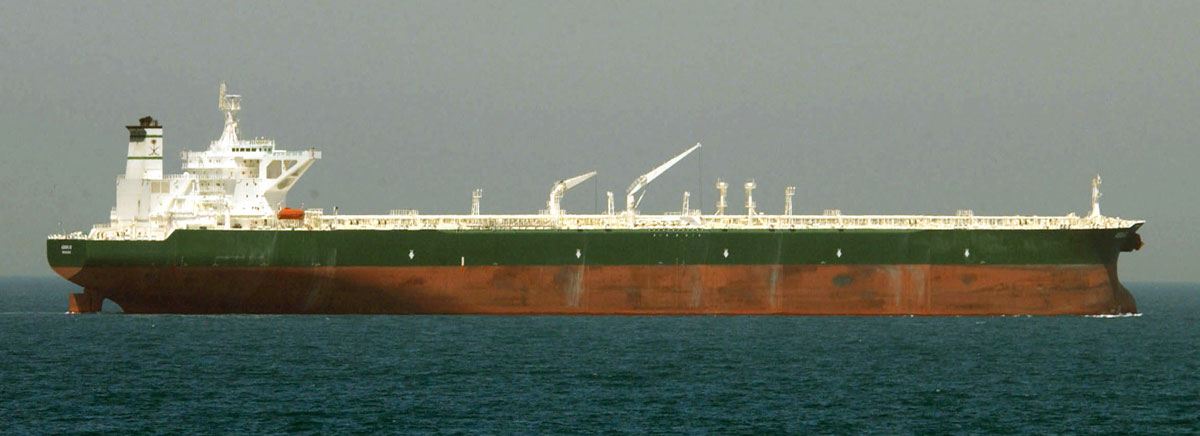
The Merchant Seaman Medical Certificate is a mandatory document that validates a seafarer's physical fitness to serve on commercial vessels. Issued under the International Labour Organization (ILO) Maritime Labour Convention (MLC) and regulated by the International Maritime Organization (IMO), this certificate ensures that seafarers can safely perform duties at sea without endangering themselves or others [MLC, 2006]. Over 1.89 million seafarers worldwide must hold a valid certificate to work on internationally flagged vessels [IMO, 2023].
This guide provides a step-by-step pathway to obtaining, maintaining, and renewing your Merchant Seaman Medical Certificate. Whether you are a cadet preparing for your first voyage or an experienced officer renewing your certification, understanding the process prevents costly delays and ensures compliance with international maritime health standards.
Introduction
A valid Merchant Seaman Medical Certificate is required before joining any vessel. Without it, shipping companies cannot legally employ you, and port authorities will deny boarding. The certificate is valid for 12-24 months depending on the issuing flag state and must be renewed before expiration to avoid contract termination.
This guide covers:
- Required documentation and examinations
- Authorized medical examination centers
- Validity periods and renewal procedures
- International standards and regulatory compliance
- Common pitfalls and solutions
Before You Begin
- Valid passport: Must be valid for at least 6 months beyond the examination date.
- Seafarer's Identity Document (SID) or Continuous Discharge Certificate (CDC): Required for identity verification.
- Employment contract or letter from shipping company: Confirms the purpose and duration of travel.
- Completed medical questionnaire: Provided by the examining center.
- Recent passport-sized photographs: Two (2) photos meeting ICAO standards.
- Proof of payment: Visa fees vary by country and center.
- Medical travel insurance: Required by some countries (e.g., Schengen states) for the duration of stay.
- Estimated examination time: 2-4 hours (varies by center).
- Estimated cost: $100-$300 USD (varies by country and center).
- Safety precautions: Disclose all medical conditions honestly; false declarations can lead to certificate revocation and legal penalties [ILO, 2006].
- Relevant regulations: IMO Medical Examination Guidelines [IMO, 2012], MLC Chapter II-1 Regulation 4, WHO International Health Regulations [WHO, 2005].
Step-by-Step Guide
Step 1: Locate an Authorized Medical Examiner
Select an IMO-approved medical examiner or a center recognized by your flag state administration. The list of approved centers is published on the IMO website and through your national maritime authority. Common accreditation bodies include:
- UK MCA-approved centers (Maritime and Coastguard Agency)
- USCG-approved centers (U.S. Coast Guard)
- EU-approved centers (European Maritime Safety Agency)
- Asian flag state centers (e.g., Panama, Liberia, Marshall Islands)
Step 2: Prepare Required Documentation
Gather all documents listed in "Before You Begin" section. Ensure photocopies are clear and legible. Missing documents cause automatic rejection.
Step 3: Undergo the Medical Examination
The examination includes:
- Vision test: Minimum 0.1 (20/200) in each eye with correction
- Hearing test: Must distinguish nautical signals at 14 kHz
- Cardiovascular assessment: Blood pressure, ECG, and cardiac history review
- Liver and kidney function tests: Blood work for hepatitis and renal markers
- Blood glucose screening: Fasting blood sugar measurement
- General physical examination: Inspection of skin, lungs, abdomen, and extremities
- Psychological evaluation: Assessment of mental fitness for sea service
Step 4: Receive Your Certificate
Upon successful completion, the examiner issues a Merchant Seaman Medical Certificate. The certificate includes:
- Your personal details and photograph
- Examination date and results
- Validity period (typically 12 months for officers, 24 months for ratings)
- Authorized signature and stamp
- Unique certificate identification number
Step 5: Renew Before Expiration
Begin renewal 3-6 months before expiration. The renewal process mirrors the initial examination but may be streamlined for existing holders. Some flag states allow:
- Online applications through e-governance portals
- Accelerated processing for seafarers with clean medical histories
- Extended validity for seafarers with over 5 years of incident-free service
After Completion
- Verify certificate validity: Check the expiration date and ensure it covers your entire contract period.
- Make digital and physical copies: Store digital and physical copies in separate locations.
- Notify your employer: Provide the certificate to your crewing agency or shipping company.
- Plan next renewal: Mark the expiration date on your calendar to avoid lapses.
Troubleshooting
Problem: Medical Examination Failed
Cause: Undisclosed medical conditions, failed vision/hearing tests, or abnormal blood work.
Solution: Address the specific issue (e.g., update glasses prescription, treat hypertension) and request a re-examination. Some conditions allow waivers with specialist documentation.
Problem: Processing Delay
Cause: High application volume, missing documents, or background checks.
Solution: Contact the examining center for status updates. Consider expedited processing if available and necessary.
Problem: Certificate Errors (e.g., wrong name, dates)
Cause: Clerical error during issuance.
Solution: Return the certificate to the examining center immediately for correction. Do not travel with an incorrect certificate.
Best Practices
- Schedule examinations early: Book appointments 4-6 months before contract start dates.
- Use official channels: Apply directly through government embassy websites or authorized visa centers to avoid scams.
- Keep records: Maintain a folder (digital and physical) of all visa applications, approvals, and correspondence.
- Check for updates: Visa policies change frequently; verify requirements on the official embassy website before each application.
- Leverage employer support: Many shipping companies cover examination costs and provide transportation to accredited centers.
Safety Considerations
- Never falsify medical information: Deliberate misrepresentation violates IMO and ILO conventions and can result in criminal charges under maritime law [MLC, 2006].
- Respect examination protocols: Follow all instructions during tests; attempting to manipulate results is unethical and illegal.
- Protect your certificate: Store it in a waterproof pouch in your personal effects; loss requires immediate replacement.
- Know your rights: If detained, you have the right to contact your embassy and request legal assistance under international consular relations conventions [Vienna Convention, 1963].
Frequently Asked Questions
How long is a Merchant Seaman Medical Certificate valid?
Validity ranges from 12 to 24 months depending on the issuing flag state and seafarer's rank. Officers typically receive 12-month validity, while ratings may receive 24-month validity if no health concerns are identified [IMO, 2012].
Can I get a medical certificate without visiting a clinic?
Some flag states offer telemedicine consultations for minor fitness assessments, but a full in-person examination is mandatory for initial certification and renewal [WHO, 2020].
What happens if my certificate expires while I'm at sea?
You must disembark at the next port for urgent renewal. Most flag states allow emergency extensions if you provide proof of pending renewal application [MLC, 2006].
Do I need a separate certificate for different vessel types?
No. A single Merchant Seaman Medical Certificate covers all vessel types and flags, but some countries require additional endorsements for specific cargo types (e.g., tankers, chemical carriers).
Can I use my certificate from one country on vessels flagged to another country?
Yes, under the IMO's principle of mutual recognition, but the vessel's flag state may require additional documentation or a local medical examination for certain high-risk positions.
Related Resources
- Guides: [Merchant Seaman Passport Requirements], [Merchant Seaman Visa Guide], [Merchant Seaman CDC Guide]
- Regulations: [IMO, 2012] Medical Examination Guidelines; [MLC, 2006] Maritime Labour Convention; [WHO, 2005] International Health Regulations.
- Tools: IMO Medical Examination Portal, National Maritime Authority Websites, Telemedicine Health Services.
- Checklists: [Seafarer Health Documentation] checklist for pre-examination preparation.
- Supporting Articles: [How to Become a Merchant Seaman], [Merchant Seaman Salary by Rank]
Conclusion
Maintaining an up-to-date Merchant Seaman Medical Certificate is non-negotiable for all seafarers. By understanding the examination process, preparing documentation in advance, and following renewal procedures, you ensure uninterrupted employment and compliance with international maritime law. Always work with accredited medical examiners, disclose health information transparently, and keep records organized. With proper preparation, you can focus on your maritime career without health-related interruptions.
References & Citations
- [IMO, 2012] International Maritime Organization. "Medical Examination Guidelines for Seafarers."
- [MLC, 2006] International Labour Organization. "Convention concerning the Maritime Labour Convention, 2006."
- [WHO, 2005] World Health Organization. "International Health Regulations (Third Edition)."
- [IMO, 2023] International Maritime Organization. "Seafarer Statistics 2023."
- [ILO, 2006] International Labour Organization. "Maritime Labour Convention (MLC) - Frequently Asked Questions."