Merchant Navy in India Explained
India's Merchant Navy operates as a sophisticated, internationally-integrated maritime workforce managing over 10,000 commercial vessels engaged in global shipping, cargo transport, offshore services, and specialized maritime operations. This comprehensive explanation explores the structure, regulations, operational aspects, and career framework defining one of the world's largest and most respected merchant marine forces.
Fundamental Concepts and Definitions
What Is the Merchant Navy?
The Merchant Navy refers to the commercial maritime workforce and fleet operated by private companies and government corporations for international trade, shipping, and maritime commerce purposes. Distinct from military naval forces, merchant navy vessels transport cargo, passengers, and provide specialized maritime services in competitive, commercially-driven maritime industries.
Key Distinguishing Factors:
Not Military: Unlike the Indian Navy (military force), Merchant Navy operates commercial vessels without military armament or combat roles. Merchant Navy ships carry national maritime flags but operate under commercial maritime regulations.
Globally Mobile: Merchant Navy operates internationally across all oceans and major shipping routes, with vessels permanently deployed on intercontinental voyages transporting goods worldwide.
Commercial Focus: Operates under free-market principles with profit-driven objectives rather than government security mandates. However, strategic Indian government interests influence policy, regulation, and industry support.
Internationally Regulated: Operations comply with International Maritime Organization (IMO) conventions, port state control requirements, and bilateral/multilateral maritime agreements.
Historical Development
Colonial Period (1850s-1947):
British colonial administration established India's maritime infrastructure including major ports (Bombay, Calcutta, Madras) and initial steamship services. Indian seafarers served primarily as subordinate crew under British command.
Pre-Independence Maritime Expansion:
- 1919: Indian Shipping Act enabled Indian participation in maritime commerce
- 1945: Interim government began Indianization initiatives
- 1947: Indian Independence with maritime autonomy established
Post-Independence Development (1947-Present):
- 1948: Directorate General of Shipping (DG Shipping) established as regulatory authority
- 1950: Shipping Corporation of India (SCI) created as government operator
- 1953-1975: Period of rapid fleet expansion and officer cadet training establishment
- 1980s-1990s: Liberalization enabling private shipping company growth
- 2000-Present: Global integration and technological modernization
Current Status: India operates the world's 10th largest merchant fleet with approximately 10,000 registered vessels, commanding approximately 10% of global merchant shipping tonnage.
Regulatory Framework and Governance
Directorate General of Shipping (DG Shipping)
The primary regulatory authority administering India's merchant shipping operations under the Ministry of Ports, Shipping and Waterways.
Key Responsibilities:
- Certification and Standards: Issuing officer certificates and ratings certifications ensuring international competency standards
- Training Oversight: Approving maritime training institutions and monitoring curriculum compliance
- Regulatory Compliance: Enforcing international maritime conventions (STCW, ISM Code, ISPS Code, MARPOL)
- Seafarer Management: Maintaining seafarer registry and certification records
- Port State Control: Conducting vessel inspections ensuring regulatory compliance
- Dispute Resolution: Facilitating maritime arbitration and dispute resolution
- Policy Development: Formulating maritime policy supporting India's maritime interests
Organizational Structure:
- Headquarters: Ministry of Ports, Shipping and Waterways, New Delhi
- Regional Offices: Mumbai, Kolkata, Chennai, Visakhapatnam, Cochin
- Examination Centers: Multiple locations nationwide administering officer certification examinations
Regulatory Framework and Acts
Primary Legislation:
Merchant Shipping Act, 1958: Foundational legislation governing commercial shipping, vessel registration, crew employment, safety standards, and liability provisions.
Maritime Zones Act, 1976: Defining India's maritime boundaries, territorial waters, and exclusive economic zone (EEZ) extending 200 nautical miles offshore.
Coastal Shipping Development Act, 1988: Regulating domestic maritime trade and promoting coastal shipping economic development.
Marine Pollution Control Act, 1986: Implementing MARPOL convention obligations preventing maritime pollution and environmental protection.
Port Authorities Act, 1963: Establishing port governance and maritime infrastructure management frameworks.
International Maritime Conventions Implemented:
- STCW (Standards of Training, Certification, Watchkeeping): International standards for maritime officer and rating qualifications
- ISM Code (International Safety Management): Vessel safety management systems and operational procedures
- ISPS Code (International Ship and Port Facility Security): Maritime security protocols and threat prevention
- SOLAS (Safety of Life at Sea): Ship construction, lifeboats, navigation safety requirements
- MARPOL (Marine Pollution Regulations): Environmental protection and pollution prevention standards
- IMO 2020: Reducing maritime vessel sulfur emissions and environmental compliance
Organizational Structure and Hierarchy
Fleet Composition and Vessel Types
Commercial Cargo Vessels:
- Container Ships (TEU capacity 1,000-21,000): Primary intercontinental cargo transport
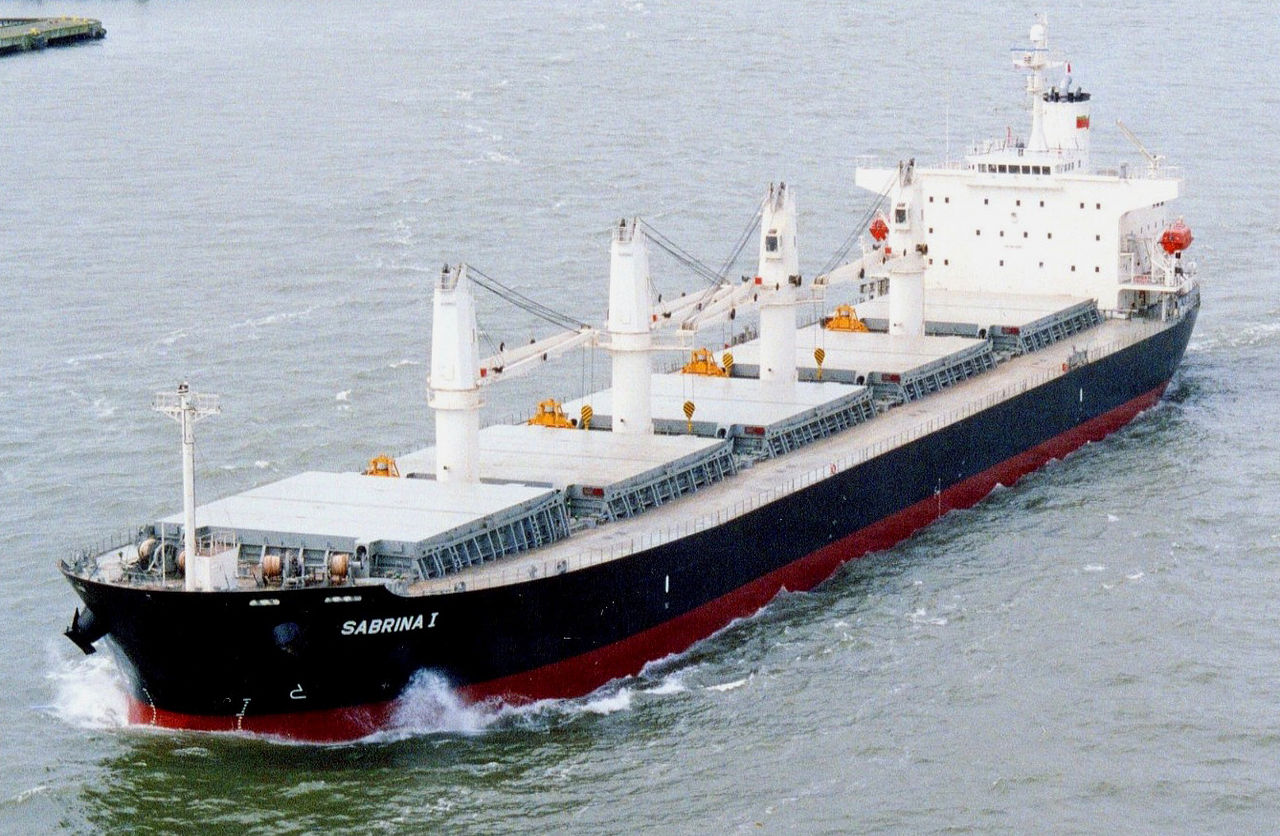
- Bulk Carriers: Grain, coal, mineral transportation
- General Cargo Vessels: Multipurpose cargo handling
- Break Bulk Carriers: Project cargo and specialized goods
Tanker Fleet:
- Crude Oil Tankers: ULCC/VLCC capacity (300,000+ DWT)
- Product Tankers: Refined petroleum products
- Chemical Tankers: Specialized liquid cargo
- Liquefied Gas Carriers: LNG and LPG operations
Specialized Vessels:
- Offshore Support Vessels: Platform supply, field support services
- Tugboats and Anchor Handlers: Port operations and vessel assistance
- Dredgers and Survey Vessels: Hydrographic and infrastructure services
- Passenger Vessels: Ferry and cruise operations
- Research Vessels: Scientific exploration and environmental monitoring
Professional Hierarchy and Roles
Deck Department (Bridge Operations):
Master/Captain - Vessel command authority with ultimate responsibility for all operations, safety, crew, and cargo. 15+ years experience typically required.
Chief Officer - Senior deck executive responsible for cargo operations, deck crew supervision, and bridge operations management.
Second Officer - Mid-level deck officer handling specific navigation watches and operational duties.
Third Officer - Entry-level deck officer beginning maritime career with supervised watchkeeping responsibilities.
Deck Ratings/Cadets - Operational support personnel assisting senior deck officers in maintenance and cargo operations.
Engine Department (Propulsion Systems):
Chief Engineer - Engine room command authority responsible for propulsion system, maintenance schedules, and operational efficiency.
Second Engineer - Senior engine department executive managing specific systems and engine room operations.
Third Engineer - Mid-level engineer with specialized system responsibilities.
Engine Ratings/Cadets - Operational support managing routine engine room tasks under senior supervision.
Specialist Officers:
- Electro-Technical Officer (ETO): Electrical systems, navigation electronics, and vessel automation
- Chief Steward/Purser: Passenger and crew services on cruise or passenger vessels
- Medical Officer: Healthcare provision on extended voyages
- Safety Officer: Vessel safety systems and security protocols
Crew Structure Example (20,000 TEU Container Vessel):
- Officers: 20-22 personnel (Captain, Chief Engineer, Deck Officers, Engine Officers)
- Ratings: 8-10 personnel (Able Seamen, Engineering ratings)
- Specialized Crew: 3-5 personnel (Catering, Medical if applicable)
- Total Crew: Approximately 25-30 personnel operating modern large vessels
Maritime Education and Training System
Training Institution Network
Government Training Centers:
Indian Maritime University (IMU) - Premier academic institution
- Multiple campuses: Chennai (headquarters), Cochin, Visakhapatnam, Mumbai
- Programs: B.Sc. Nautical Science, B.Sc. Marine Engineering, MBA Maritime Management
- Admission: Common Entrance Test (CET) merit-based
- Duration: 4 years including mandatory sea time
- Facilities: Advanced simulators, training vessels, offshore training centers
- Placement: 95%+ employment success within 6 months
DG Shipping Training Centers:
- Address: Daman (Gujarat), Powai (Mumbai)
- Courses: Rating and officer transition programs
- Duration: 3-12 months depending on program
- Focus: Practical competency and certification preparation
State-Based Training Institutes:
- ISC Training Center (Kolkata) - Indian Shipping Corporation
- Cochin Shipyard Training Institute - Shipyard-integrated training
- Various state maritime authority training facilities
Approved Private Maritime Institutes:
- Tolani Maritime Institute (Pune)
- RRC Maritime Academy (Ahmedabad)
- Samudra Maritime Academy (Pune)
- Vyasa Maritime Institute (Kerala)
- Various other DG Shipping-approved providers
Curriculum Framework
Officer Training Program (4 Years):
Year 1 - Fundamentals: Maritime law, navigation theory, marine engineering principles, maritime safety, cargo operations, basic simulator training
Year 2 - Intermediate: Advanced navigation, vessel systems, international regulations, advanced simulator training, initial sea time preparation
Year 3-4 - Advanced: Operational competencies, specialized training, continued sea time, certification preparation, professional development
Professional Certifications Upon Completion:
- Officer of the Watch (OOW) Certificate
- Master/Chief Engineer Certificates (after additional experience)
- STCW compliance certificates
- Specialized vessel operation certificates
Sea Time Requirement
Mandatory Sea Time:
- Minimum 12 months approved sea time for Officer of the Watch certification
- Minimum 36+ months for Master certification
- Supervised training on approved vessels or commercial vessels with qualified supervising officers
- Documented in official Seafarer Record Book
Sea Time Components:
- Bridge watchkeeping operations
- Cargo handling and operations
- Crew management and leadership
- Emergency response procedures
- Environmental and safety compliance
- Performance evaluation by supervising officers
Maritime Employment and Career Structure
Employment Categories
Vessel-Based Employment (Primary):
- Bridge officers and deck crew
- Engine room engineering personnel
- Specialized vessel operators
- Contract duration: 6-12 months typically
- Shore leave: 3-6 months between deployments
Shore-Based Employment:
- Shipping company management and operations
- Port operations and logistics
- Maritime administration and DG Shipping roles
- Training and educational institutions
- Marine insurance and surveying
- Consultancy and advisory services
Employment Market Dynamics
Demand Sectors (Current High Demand):
- Container shipping (e-commerce driving growth)
- Bulk carrier operations (commodity trade)
- Tanker operations (oil and petroleum products)
- Offshore petroleum support
- Cruise and passenger services
- Specialized shipping (LNG, project cargo)
Recruitment Channels:
- Direct company recruitment
- Training institute placement cells
- Maritime recruitment agencies
- Online maritime job portals
- Industry career fairs and exhibitions
- Professional networking and referrals
Employment Statistics:
- 95%+ placement rate for qualified graduates within 6 months
- Average career lifespan: 30-35 years from entry to retirement
- Estimated 200,000+ Indian maritime professionals employed globally
- Annual requirement for 20,000-25,000 maritime professionals
Compensation Framework
Officer Salaries (Monthly):
- Third Officer: ₹80,000-1.2 lakhs
- Chief Officer: ₹2-2.8 lakhs
- Master/Captain: ₹2.8-4+ lakhs
- (Includes basic salary, allowances, performance incentives, forex earnings)
Rating Salaries (Monthly):
- General Purpose Rating: ₹25,000-35,000
- Able Seaman: ₹35,000-50,000
- Engineering Ratings: ₹30,000-45,000
Additional Benefits:
- Paid leave (90-120 days annually during shore periods)
- Comprehensive health and life insurance
- Pension and gratuity schemes
- Family allowances
- Professional development support
- Accommodation and meal provisions aboard vessels
Operational and Safety Systems
Safety Management Systems
ISM Code (International Safety Management Code):
- Mandatory safety management system implementation on all commercial vessels
- Documented procedures for all operational functions
- Regular safety audits and compliance verification
- Safety officer designation on each vessel
- Crew safety training and drills
Key Safety Protocols:
- Bridge Resource Management (BRM) for coordinated bridge operations
- Engine Room Operations (ERO) safety procedures
- Cargo operations safety protocols
- Fire safety and emergency response procedures
- Lifeboat and abandonment procedures
- Medical emergency protocols
Compliance Verification:
- Annual vessel inspections and certification
- Port State Control inspections (Port countries verifying compliance)
- Classification society surveying and certification
- DG Shipping oversight and regulatory verification
Environmental Compliance
MARPOL Implementation (Marine Pollution Regulations):
- Oil record book maintenance
- Ballast water management procedures
- Garbage handling and disposal protocols
- NOx and SOx emission controls
- Anti-fouling paint regulations
- Hazardous substance controls
IMO 2020 Sulfur Regulations:
- Sulfur content fuel limitations (0.5% maximum)
- Scrubber technology implementation
- Fuel management documentation
- Environmental compliance certification
Global Maritime Integration
International Cooperation and Trade
Shipping Routes and Trade Lanes:
- Europe-Asia (Suez Canal routes): Primary international trade
- Asia-Pacific regional shipping
- Middle East petroleum operations
- Americas trade corridors
- Emerging Arctic routes
International Bodies Participation:
- International Maritime Organization (IMO) - UN specialized agency setting maritime standards
- International Labour Organization (ILO) conventions on seafarer rights
- Regional maritime agreements and protocols
- Bilateral shipping agreements between nations
Indian Merchant Navy's Global Position
Competitive Standing:
- 10th largest merchant fleet globally
- Approximately 10% of global merchant shipping tonnage
- Recognized maritime professional workforce
- Strategic Indian government support and policy
- Integrated global supply chain participation
Economic Contribution:
- Over ₹50,000 crore annual foreign exchange earnings
- Supporting 3+ million direct and indirect jobs
- Contributing approximately 2-3% to national GDP
- Strategic importance to India's international trade
Modern Challenges and Future Developments
Current Challenges
Vessel Automation: Increasing automation reducing traditional crew positions on modern vessels
Regulatory Complexity: Constantly evolving international maritime regulations requiring continuous professional development
Economic Cyclicality: Shipping industry cycles affecting employment availability and compensation
Environmental Pressures: Increasing environmental regulations and sustainability requirements
Cybersecurity Threats: Rising maritime cyber attacks and security protocols
Future Opportunities
Green Shipping Transition: Sustainable fuel technologies, emission reduction, renewable energy integration
Autonomous Vessels: Remote-operated and autonomous maritime operations creating new maritime roles
Arctic Expansion: Emerging northern shipping routes creating new maritime opportunities
Offshore Renewable Energy: Wind farms, tidal installations, and marine energy development
Coastal Shipping Growth: Government initiatives promoting domestic maritime trade reducing logistics costs
Conclusion
India's Merchant Navy represents a sophisticated, globally-integrated maritime force offering exceptional professional opportunities, competitive compensation, career advancement, and worldwide engagement. Understanding the structure, regulations, training framework, and career opportunities enables aspiring maritime professionals to make informed decisions about merchant navy careers.
The sector provides enduring opportunities for qualified individuals seeking dynamic maritime careers, professional prestige, financial success, and meaningful participation in global commerce. With sustained industry demand, government support for maritime development, and India's established position as a leading maritime nation, merchant navy careers continue offering exceptional long-term professional opportunities for ambitious maritime professionals worldwide.