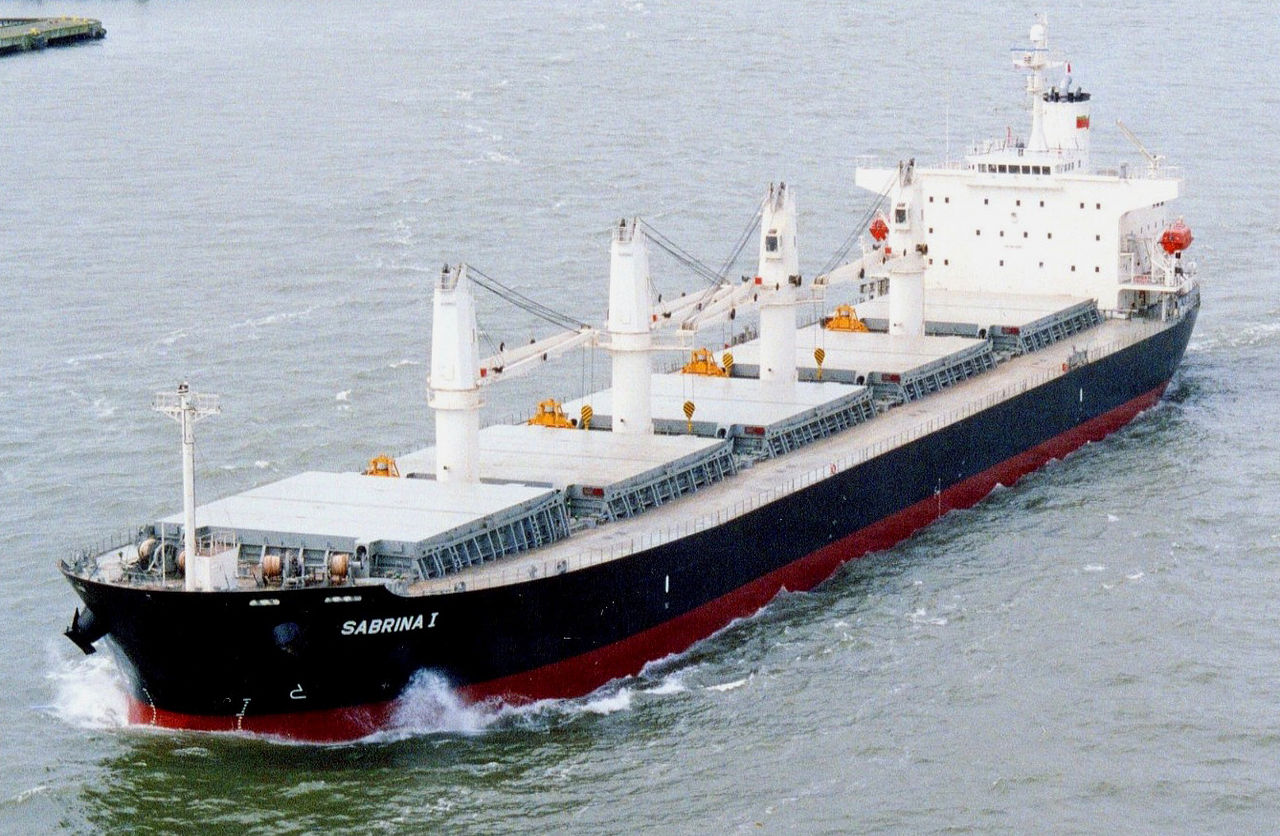
Entry-Level Merchant Seaman Jobs
[Entry-level merchant seaman jobs](https://merchantnavy.co/careers/entry-level-merchant-seaman-jobs/) provide the starting point for a career at sea, requiring minimal experience and offering structured training pathways. Whether you are a fresh graduate from a maritime academy or a candidate with basic STCW certifications, these positions launch your maritime career.
The global shipping industry offers diverse entry-level opportunities across deck, engine, and steward departments. Understanding each role helps you choose the right starting point.
1. GP Rating (General Purpose Rating)
The GP Rating position is the most common entry-level job for candidates with basic maritime training. GP Ratings are trained in both deck and engine duties, making them versatile crew members.
- Department: Deck and Engine (General Purpose)
- Minimum Qualifications: 10th standard, STCW BST, GP Rating certificate
- Salary Range: $500 - $1,200/month
- Contract Duration: 6-9 months
- Typical Employers: All shipping companies, manning agencies
GP Ratings perform a variety of duties including deck maintenance, mooring operations, engine room cleaning, and general vessel upkeep. After gaining experience, GP Ratings can specialize as Able Seaman (deck) or Motorman (engine) with additional certifications.
The GP Rating pathway is ideal for candidates who want to start working quickly without investing in a full degree program. Training costs $1,000-$4,000 and takes 6-12 months to complete.
2. Deck Cadet
Deck Cadet positions are entry-level officer training roles for candidates who have completed maritime academy education. Cadets learn navigation, cargo operations, and bridge procedures under supervision.
- Department: Deck
- Minimum Qualifications: B.Sc. Nautical Science or Diploma in Nautical Science, STCW BST
- Salary Range: $300 - $800/month
- Contract Duration: 12-18 months (training period)
- Typical Employers: Container lines, bulk carrier operators, tanker companies
Deck Cadets complete a Training Record Book (TRB) documenting all tasks and competencies gained during sea service. Upon completing the required sea service, cadets can appear for Officer of the Watch (OOW) CoC examinations.
The Deck Cadet position is the starting point for a career path that can lead to Master rank within 12-15 years. Cadets are assigned to senior officers who provide mentorship and training throughout the contract.
3. Engine Cadet
Engine Cadet positions train future engineering officers in engine room operations, maintenance, and watchkeeping. Cadets work alongside experienced engineers to gain practical knowledge.
- Department: Engine
- Minimum Qualifications: B.E. Marine Engineering or Diploma in Marine Engineering, STCW BST
- Salary Range: $300 - $800/month
- Contract Duration: 12-18 months (training period)
- Typical Employers: All vessel types, ship management companies
Engine Cadets learn to operate and maintain main engines, generators, boilers, pumps, and auxiliary equipment. They document all training in their TRB for CoC application purposes.
Engine Cadets progress faster to senior ranks than deck officers, typically reaching Chief Engineer within 10-12 years. The engine department offers excellent career progression for mechanically inclined candidates.
4. Wiper
Wiper is an entry-level engine room position for candidates with basic STCW training who want to enter the engine department. Wipers perform cleaning and maintenance tasks under supervision.
- Department: Engine
- Minimum Qualifications: STCW BST, CDC, medical certificate
- Salary Range: $800 - $1,500/month
- Contract Duration: 6-9 months
- Typical Employers: Bulk carriers, general cargo vessels
Wipers clean engine room spaces, maintain tools and equipment, assist engineers with basic tasks, and learn engine room procedures. With experience, wipers can advance to Oiler or Motorman positions.
The Wiper position is ideal for candidates who want to enter the engine department without formal engineering education. Practical experience on the job can lead to advancement opportunities.
5. Ordinary Seaman (OS)
Ordinary Seaman is an entry-level deck position for candidates who want to start their deck department career. OS crew members perform routine deck maintenance and assist with mooring operations.
- Department: Deck
- Minimum Qualifications: STCW BST, CDC, medical certificate
- Salary Range: $800 - $1,500/month
- Contract Duration: 6-9 months
- Typical Employers: All vessel types
Ordinary Seamen perform painting, chipping rust, cleaning, and general deck maintenance. They assist with mooring and anchoring operations and learn deck procedures from senior crew members.
With 12-24 months of experience as an OS, you can upgrade to Able Seaman (AB) by completing additional STCW certifications. AB positions offer significantly higher salaries.
6. Messman
Messman is an entry-level position in the steward department responsible for food service and accommodation cleaning. This role is essential for crew welfare and vessel hygiene.
- Department: Steward
- Minimum Qualifications: STCW BST, CDC, medical certificate, basic food handling knowledge
- Salary Range: $1,000 - $2,000/month
- Contract Duration: 6-9 months
- Typical Employers: Cruise ships, passenger vessels, large container ships
Messmen assist the Chief Cook with meal preparation, serve food to crew, clean dining areas and accommodations, and maintain food storage areas. The steward department offers stable employment with regular schedules.
Messmen can advance to Second Cook or Chief Cook positions with additional training and experience. Cook positions on larger vessels offer competitive salaries.
7. Trainee Electro-Technical Officer (ETO)
Trainee ETO is an entry-level position for candidates with electrical or electronics engineering backgrounds who want to specialize in shipboard electrical systems.
- Department: Electrical/Technical
- Minimum Qualifications: Electrical engineering degree or diploma, STCW BST
- Salary Range: $800 - $1,500/month
- Contract Duration: 6-12 months (training period)
- Typical Employers: Modern vessels with advanced automation, cruise ships
Trainee ETOs work under senior ETOs to learn about ship electrical systems, navigation equipment, communication systems, automation, and power distribution. The ETO role is increasingly important on modern vessels.
ETO is one of the fastest-growing maritime careers due to increasing ship automation. Experienced ETOs earn $3,000-$6,000/month.
8. Junior rating (Catering)
Junior catering positions are entry-level roles in the hotel and hospitality side of passenger vessels and large crew ships.
- Department: Steward/Catering
- Minimum Qualifications: STCW BST, CDC, medical certificate, hospitality experience preferred
- Salary Range: $1,000 - $2,000/month
- Contract Duration: 4-8 months
- Typical Employers: Cruise ships, passenger ferries, large container ships with crew hotels
Junior catering staff perform housekeeping, laundry, dining room service, and galley assistance. These positions are abundant on cruise ships where the crew size can exceed 1,000.
Catering staff on cruise ships can advance to supervisory roles with experience. Some shipping companies offer cross-training opportunities to move between departments.
Buying Guide / How to Choose the Right Entry-Level Job
Factors to Consider
- Career Goals: Choose deck or engine for long-term officer careers. Choose steward for hospitality-focused roles.
- Education Level: Degree holders qualify for cadetships. 10th pass candidates qualify for GP Rating.
- Physical Demands: Deck and engine roles are physically demanding. Steward roles are less physically intense.
- Salary Potential: Officer paths offer higher long-term earning potential.
- Training Investment: GP Rating requires $1,000-$4,000 investment. Cadetships may require $10,000-$40,000 for degree programs.
Recommendations
- Choose GP Rating if: You have limited budget, want to start working quickly, and plan to upgrade later.
- Choose Cadetship if: You have completed maritime education and want to pursue an officer career.
- Choose Wiper/OS if: You have STCW BST and want immediate employment with advancement potential.
- Choose ETO if: You have an electrical engineering background and want a specialized technical role.
Conclusion
Entry-level merchant seaman jobs provide valuable starting points for diverse maritime careers. From GP Ratings and cadetships to wipers and messmen, each role offers unique advantages and advancement pathways. Choose the position that aligns with your education, budget, and career goals, and focus on gaining experience and certifications for career progression.
Frequently Asked Questions
Which entry-level job pays the most?
ETO trainee positions offer the highest starting salaries ($800-$1,500/month) due to the specialized electrical skills required.
Can I switch departments after starting?
Yes, it is possible to switch between departments with additional training. Some shipping companies support cross-training.
How long should I stay in an entry-level position?
Typically 6-18 months for cadets and 12-24 months for ratings before upgrading to the next level.
Do entry-level positions include accommodation and food?
Yes, all merchant seaman positions include free accommodation, food, and utilities while onboard.
Can I get an entry-level job without STCW training?
No, STCW Basic Safety Training is mandatory for all positions. Complete BST before applying.
References & Citations
- ICS, 2023] International Chamber of Shipping. "Global Seafarer Workforce Report 2023."
- [STCW Code, 2010] International Maritime Organization. "STCW Convention and Code, 2010 Manila Amendments."
- MLC, 2006] International Labour Organization. "Maritime Labour Convention, 2006."