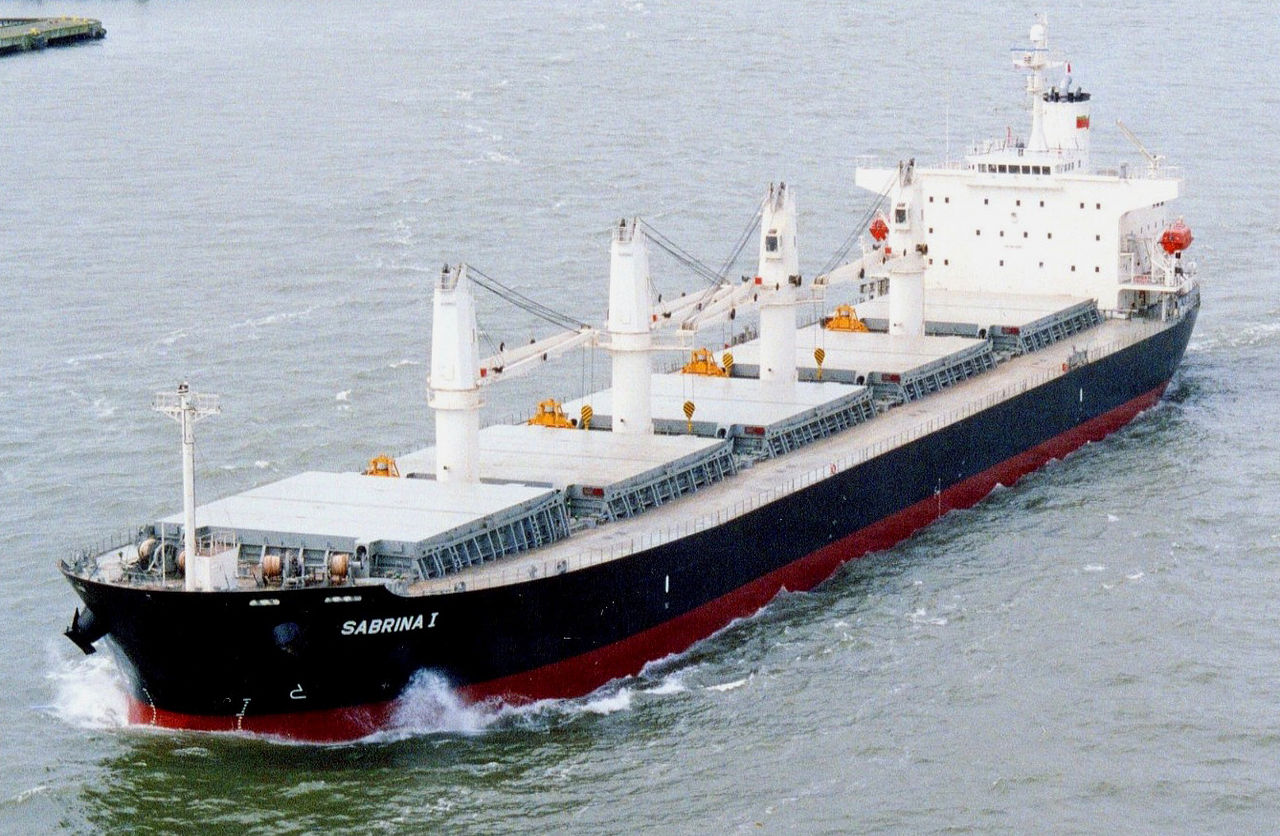
DG Shipping Approval Process: A Complete Step‑by‑Step Guide
Introduction
This guide explains every facet of the DG shipping approval process—from its legal foundation to practical steps for obtaining approval. Understanding this process is critical because hazardous cargo mishandling can lead to catastrophic accidents, environmental damage, and severe financial penalties [IMO, 2020].
Who should use this guide?
- Ship owners and operators
- Marine officers and cargo planners
- Maritime training institutions
- Port authorities and surveyors
What you will learn:
- The official definition and scope of the DG shipping approval process
- Historical evolution and key regulatory amendments
- Core requirements, inspection procedures, and certification
- Who is obligated to comply and the consequences of non‑compliance
- Practical methods to achieve and maintain compliance, plus recent updates
Before You Begin
| Item | Details |
|---|---|
| Prerequisites | Valid International Maritime Organization (IMO) ship safety certificates, up‑to‑date Dangerous Goods (DG) Cargo Manual |
| Required qualifications | STCW‑certified officers (e.g., Officer in Charge of a Navigational Watch) and personnel with DG handling training (e.g., IMO Model Course 1.13) |
| Required equipment | Approved DG segregation kits, fire‑extinguishing systems, emergency response plans |
| Required documents | DG Declaration, Safety Data Sheets (SDS), Ship’s Cargo Securing Manual, Certificate of Compliance |
| Required tools | Portable gas detectors, fire‑proof containers, calibrated weighing scales |
| Estimated time | 4–6 weeks for full approval (including document review and inspections) |
| Estimated cost | $3,000–$7,500 depending on vessel size and surveyor fees |
| Safety precautions | Ensure all crew wear appropriate PPE; verify ventilation before opening any DG container |
| Relevant regulations | IMO International Maritime Dangerous Goods (IMDG) Code 2023 edition, SOLAS Chapter III, MARPOL Annex III, national DG regulations (e.g., DG Shipping Act of India) [IMO, 2023] |
Step‑by‑Step Guide
Step 1: Understand the DG Shipping Approval Process
Objective: Grasp the official definition, purpose, and governing body.
Instructions:
- Review the IMDG Code preamble, which defines the approval process as the formal evaluation by a recognized authority that a vessel meets all requirements for transporting dangerous goods.
- Identify the approving authority—typically the flag state’s maritime administration or an IMO‑accredited classification society.
Why This Step Matters: A clear definition prevents misinterpretation that could lead to non‑compliance.
Pro Tips: Keep a digital copy of the latest IMDG Code (2023) on board for quick reference.
Common Mistakes: Assuming the port authority can grant approval without classification society involvement.
Example: A Pan‑India bulk carrier consulted the Directorate General of Shipping (DG Shipping) and obtained a “DG Cargo Approval” certificate after confirming compliance with the 2023 IMDG Code.
Step 2: Review Historical Context
Objective: Recognize the evolution of the process to appreciate current requirements.
Instructions:
- Note that the DG shipping approval process was first formalised in 1992 when India adopted the IMDG Code into national law.
- Track major amendments: 2005 (introduction of the “Special Cargo” category), 2011 (electronic documentation), and 2020 (alignment with IMO’s revised safety standards).
Why This Step Matters: Historical insight explains why certain clauses exist and helps anticipate future changes.
Pro Tips: Subscribe to IMO newsletters for upcoming amendment alerts.
Common Mistakes: Relying on outdated manuals that omit recent amendments.
Example: A vessel that still used the 2005 edition faced rejection in 2022 because the new “Class‑9” explosives regulations were missing.
Step 3: Meet Key Requirements
Objective: Satisfy the main provisions, compliance obligations, and certification steps.
Instructions:
- Documentation – Prepare a complete DG Declaration, ensure each dangerous cargo entry matches the IMDG Code classification.
- Segregation – Verify that cargo segregation plans adhere to Table II‑2 of the IMDG Code (e.g., Class 1 explosives must be stored ≥20 m from Class 3 flammable liquids).
- Safety Systems – Confirm fire‑extinguishing systems are rated for the highest hazard class on board.
- Inspection – Arrange a pre‑approval survey with the classification society; the survey includes:
- Verification of labeling and placarding
- Inspection of ventilation and fire‑suppression equipment
- Review of crew DG training records
- Certification – Upon successful survey, obtain the “DG Cargo Transport Certificate” issued by the flag state.
Why This Step Matters: Failure in any sub‑area can lead to certificate denial or vessel detention.
Pro Tips: Use a checklist aligned with IMO’s Safety Management System (SMS) to streamline document preparation.
Common Mistakes: Overlooking secondary containment requirements for liquids classified under both Class 3 and Class 8.
Example: The MV Ocean Star used a digital checklist; the surveyor noted zero non‑conformities, resulting in a 2‑day approval turnaround.
Table 1 – Core Requirements Overview
| Requirement | IMDG Reference | Typical Evidence |
|---|---|---|
| Documentation | Part II, §2.2 | DG Declaration, SDS |
| Segregation | Table II‑2 | Cargo layout plan |
| Safety Systems | SOLAS Chap. III | Fire‑extinguishing certificates |
| Crew Training | STCW 2010 | Training certificates |
| Inspection | Classification Survey | Surveyor report |
Step 4: Identify Who Must Comply
Objective: Clarify the scope of applicability for vessels, flag states, and personnel.
Instructions:
- Applicable vessels – All cargo ships, tankers, and offshore support vessels carrying DG as defined in the IMDG Code.
- Flag states – Must enforce the DG shipping approval process under national legislation (e.g., DG Shipping Act, 1996).
- Seafarer obligations – Officers must hold DG handling endorsements; ratings must complete on‑board drills quarterly.
- Company responsibilities – Ship owners must maintain a valid DG Manual, fund surveys, and ensure continuous crew competence.
Why This Step Matters: Misidentifying responsibilities can expose the company to legal action and operational delays.
Pro Tips: Maintain a compliance matrix mapping each vessel to its required DG certificates.
Common Mistakes: Assuming only “dangerous cargo carriers” need approval, ignoring mixed‑cargo vessels.
Example: A feeder vessel transporting a single container of Class 4.1 (flammable solids) still required a full DG approval because the vessel’s cargo plan included other DG classes.
Step 5: Understand Penalties for Non‑Compliance
Objective: Recognize financial, operational, and legal repercussions.
Instructions:
- Fines – Indian DG Shipping may impose penalties up to INR 10 million for unauthorized DG carriage [DG Shipping, 2022].
- Detention – Ports can detain vessels until corrective actions are taken, causing average delays of 48 hours per incident (UNCTAD, 2021).
- Certificate suspension – Classification societies can suspend the DG Cargo Transport Certificate, halting all DG operations.
- Criminal liability – In severe cases (e.g., major spill), crew and management may face prosecution under the Marine Pollution (Prevention and Control) Act.
Why This Step Matters: Awareness drives proactive compliance.
Pro Tips: Keep a record of all survey reports; they serve as evidence of due diligence in case of disputes.
Common Mistakes: Ignoring minor infractions, assuming they won’t trigger penalties.
Example: A vessel ignored a minor labeling error; the port authority fined the operator INR 2 million and delayed loading for 72 hours.
Step 6: Ensure Ongoing Compliance
Objective: Implement best practices, training, documentation, and audit routines.
Instructions:
- Training – Conduct quarterly DG refresher courses per STCW Model Course 1.13; maintain attendance logs.
- Documentation – Update the DG Manual annually or whenever the IMDG Code is revised.
- Audits – Perform internal audits every six months using the IMO SMS audit checklist.
- Continuous Improvement – Capture near‑miss incidents and incorporate corrective actions into the SMS.
Why This Step Matters: Continuous compliance reduces the risk of inspection failures and enhances safety culture.
Pro Tips: Leverage electronic document management systems (EDMS) to track version control.
Common Mistakes: Relying solely on external surveys without internal checks.
Example: The MV Horizon adopted a digital audit tool, cutting audit preparation time by 30 % and achieving a 100 % compliance score in the 2023 survey.
Step 7: Apply Recent Updates
Objective: Integrate the latest amendments and understand their impact.
Instructions:
- Latest amendment – The 2023 IMDG Code introduced Class 9 – Environmentally Hazardous Substances with stricter packaging requirements.
- Implementation timeline – Flag states have a 12‑month grace period; full compliance required by 30 June 2024.
- Industry impact – Early adopters report a 15 % reduction in cargo damage incidents (BIMCO Survey, 2023).
Why This Step Matters: Early adoption gives a competitive edge and avoids last‑minute compliance rushes.
Pro Tips: Schedule a mid‑year review to align ship modifications with the new Class 9 standards.
Common Mistakes: Delaying updates until the deadline, leading to rushed modifications and higher costs.
Example: A liner operator upgraded its fire‑extinguishing system in Q1 2024, meeting the new Class 9 requirements ahead of schedule and securing a preferred carrier status with major shippers.
After Completion
- Verification: Confirm the issuance of the DG Cargo Transport Certificate and cross‑check the certificate number with the flag state’s online registry.
- Expected outcome: Vessel can legally load, transport, and discharge DG cargo without restrictions.
- Next actions: Schedule the next periodic survey (usually every 12 months) and update crew training records.
- Maintenance: Keep the DG Manual current, perform quarterly drills, and retain all survey reports for at least five years as required by SOLAS [IMO, 2020].
Troubleshooting
| Problem | Possible Cause | Recommended Solution |
|---|---|---|
| Certificate rejected | Incomplete DG Declaration | Review each cargo line against the IMDG Code; fill missing hazard class codes |
| Port detention | Improper segregation distance | Re‑calculate segregation using Table II‑2; adjust stowage plan |
| Fire‑extinguisher failure | Expired equipment | Replace or recharge extinguishers; update maintenance log |
| Crew non‑compliance | Lack of training records | Conduct immediate STCW‑approved DG refresher course; archive certificates |
Best Practices
- Integrate DG compliance into the vessel’s Safety Management System (SMS).
- Use electronic stowage planning tools that auto‑validate segregation rules.
- Maintain a “DG Compliance Dashboard” for real‑time monitoring of certifications and training status.
- Engage a dedicated DG Officer on vessels carrying high‑risk cargo.
Safety Considerations
- Never open a DG container without proper ventilation and PPE, as per IMO [IMO, 2020].
- Always verify placarding before cargo handling; mis‑labelled containers are a common source of accidents.
- Adhere to the “Two‑Person Rule” for all DG operations to ensure immediate assistance in case of an incident.
Frequently Asked Questions
1. How long does the DG shipping approval process normally take?
Typically 4–6 weeks, including document preparation, survey scheduling, and issuance of the certificate.
2. Can a vessel obtain DG approval without a classification society survey?
No. The IMO requires a recognized classification society or flag state authority to conduct the formal survey.
3. Are there exemptions for small vessels (≤500 GT)?
Some flag states offer a simplified procedure, but the vessel must still meet all IMDG Code requirements [DG Shipping, 2022].
4. What records must be retained after obtaining approval?
DG Declarations, Safety Data Sheets, survey reports, crew training certificates, and the DG Cargo Transport Certificate for a minimum of five years.
5. How often must the DG Cargo Transport Certificate be renewed?
Every 12 months, or sooner if significant cargo or equipment changes occur.
6. Does the approval cover only the vessel, or also the crew?
Both. The vessel receives the certificate, while crew must hold valid DG handling endorsements.
7. What is the impact of the 2023 IMDG Code addition of Class 9?
Stricter packaging, labeling, and segregation rules; non‑compliance can lead to higher fines and increased inspection scrutiny.
Related Resources
- DG Shipping Document Verification – Detailed checklist for surveyors and crew MerchantNavy
- DG Shipping Complete Guide – Comprehensive overview of regulations and procedures MerchantNavy
- Advanced Maritime Certificates in India – STCW Certifications and Specialized Qualifications MerchantNavy
- International Maritime Dangerous Goods (IMDG) Code – 2023 Edition – Official IMO publication IMO
- **SOLAS Chapter III –