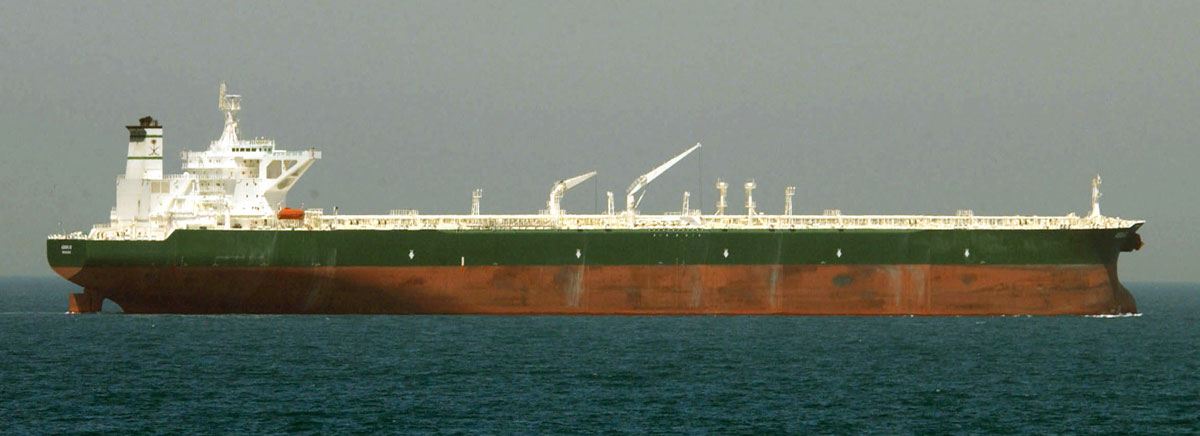
Deck Cadet Duties and Responsibilities
Deck cadet duties and responsibilities form the foundation of maritime officer training, combining navigation watch-keeping, safety management, cargo operations, and vessel maintenance under the supervision of licensed officers. Understanding these core responsibilities is critical for anyone considering a deck officer career, as the cadetship period directly shapes professional competencies and determines career success trajectories.
Deck Cadets serve as trainee navigational officers completing mandatory sea-time requirements prescribed by the Standards of Training, Certification and Watchkeeping for Seafarers (STCW Convention). During this training period, cadets rotate through various shipboard departments, gaining practical experience in every aspect of deck operations [STCW Convention, 2010]. This comprehensive exposure ensures that future officers possess the broad operational knowledge necessary for safe and efficient vessel management.
The responsibilities assigned to Deck Cadets vary by vessel type, trade route, and company training programs, but certain core duties remain universal across the maritime industry. This listicle identifies the 10 essential responsibilities every Deck Cadet must master during their training period.
1. Navigation Watch-Keeping Duties
Navigation watch-keeping represents the most critical responsibility for Deck Cadets, as it directly impacts vessel safety and collision avoidance.
- Watch Duration: Typically 4-hour shifts following the standard 4-8-12 watch system
- Key Equipment: Electronic Chart Display and Information Systems (ECDIS), radar, GPS, AIS, gyrocompass
- Supervision Level: Always under the direct supervision of Officer on Watch (OOW)
- Learning Objectives: Position fixing, course monitoring, collision avoidance, weather observation, radio communication
Deck Cadets on navigation watch assist the Officer on Watch with position plotting, radar monitoring, lookout duties, and maintaining accurate deck logs [STCW Regulation II/1, 2010]. They learn to interpret electronic navigation systems, identify potential collision risks using radar and AIS, and execute proper communication procedures using VHF radio and internal communication systems.
The International Regulations for Preventing Collisions at Sea (COLREGS) form the legal framework governing watch-keeping practices. Cadets must demonstrate thorough understanding of these regulations, including proper application of steering and sailing rules, light and shape signals, and sound signals [IMO COLREGS, 1972].
Pro Insight: Effective watch-keeping requires sustained concentration and situational awareness. Cadets who actively engage with supervising officers by asking questions and seeking clarification develop competencies faster than those who passively observe.
2. Cargo Operations and Documentation
Cargo operations constitute a core competency area for Deck Officers, and cadets must gain exposure to loading, stowage, securing, and discharge procedures for various cargo types.
- Cargo Types: Containers, bulk commodities, liquid cargoes, ro-ro units, project cargo
- Key Documents: Cargo manifests, stowage plans, bills of lading, dangerous goods declarations
- Safety Requirements: Cargo securing per IMO Code of Safe Practice for Cargo Stowage and Securing (CSS Code)
- Learning Areas: Load calculations, stability assessment, segregation requirements, securing methods
Deck Cadets participate in cargo operations by assisting with pre-loading inspections, monitoring loading rates, verifying cargo documentation against actual cargo received, and ensuring proper securing in accordance with approved stowage plans [CSS Code, 2021]. For container vessels, this includes checking twist lock engagement, lashing rod tension, and stack weight distribution. On bulk carriers, cadets monitor loading sequences to maintain proper trim and stability.
Understanding cargo characteristics is essential for safe operations. Different commodities present unique hazards requiring specific handling procedures. The International Maritime Dangerous Goods (IMDG) Code mandates strict segregation, stowage, and handling requirements for hazardous materials [IMDG Code, 2022].
Pro Insight: Cadets should study cargo operations manuals for their specific vessel type. Container ship operations differ significantly from bulk carrier, tanker, or general cargo vessel procedures.
3. Safety Equipment Inspections and Maintenance
Maritime safety regulations require regular inspection and maintenance of life-saving appliances, firefighting equipment, and emergency systems, and Deck Cadets play active roles in these critical activities.
- Life-Saving Equipment: Lifeboats, life rafts, immersion suits, life jackets, EPIRB, SART
- Firefighting Systems: Fire extinguishers, fire hoses, foam systems, CO2 systems, sprinkler systems
- Inspection Frequency: Weekly, monthly, quarterly, and annual cycles per SOLAS requirements
- Documentation: Equipment logs, maintenance records, deficiency reports
Deck Cadets conduct routine inspections of safety equipment to verify operational readiness, identify deficiencies requiring repair or replacement, and maintain accurate documentation of all maintenance activities [SOLAS Convention Chapter III, 2020]. This includes testing emergency lighting systems, checking expiry dates on pyrotechnic distress signals, verifying pressure levels in firefighting systems, and ensuring proper stowage of all emergency equipment.
Proper maintenance extends equipment lifespan and ensures reliability during emergencies. Deck Cadets learn systematic inspection procedures, appropriate testing methods, and correct record-keeping practices that become second nature throughout their careers.
Pro Insight: Use inspection rounds as learning opportunities. Ask supervising officers to explain system designs, operating principles, and troubleshooting procedures for each piece of safety equipment.
4. Bridge Equipment Operations and Maintenance
Modern vessels rely on sophisticated electronic navigation and communication equipment requiring proper operation and preventive maintenance, and Deck Cadets must develop competency with all bridge systems.
- Navigation Equipment: ECDIS, GPS, radar, gyrocompass, magnetic compass, echo sounder, AIS
- Communication Systems: VHF radio, GMDSS equipment, satellite communication systems, internal phones
- Maintenance Tasks: Performance checks, calibration verification, cleaning, software updates
- Record Keeping: Equipment logs, performance test results, fault reports
Deck Cadets perform daily bridge equipment checks to verify proper functioning of all navigation and communication systems, document equipment status in official logs, and report malfunctions to supervising officers for corrective action [SOLAS Chapter V, 2020]. They learn to recognize abnormal equipment behavior, understand basic troubleshooting procedures, and maintain backup systems in ready condition.
Electronic navigation systems require regular performance verification to ensure accuracy and reliability. ECDIS systems mandate specific backup arrangements and regular validation checks per IMO performance standards [IMO Resolution MSC.232(82), 2006].
Pro Insight: Request opportunities to observe technical officers during equipment repairs and calibrations. Understanding equipment internals improves operational proficiency and troubleshooting abilities.
5. Weather Observation and Reporting
Accurate weather observations support safe navigation decisions, route planning, and contribute to global meteorological databases through mandatory ship reporting systems.
- Observation Parameters: Wind speed and direction, barometric pressure, air and sea temperature, visibility, cloud cover, sea state
- Observation Frequency: Every 4 hours during watch periods, more frequently during severe weather
- Reporting Systems: Voluntary Observing Ship (VOS) program, Automated Mutual-assistance Vessel Rescue (AMVER)
- Instruments Used: Barometer, thermometer, anemometer, visual assessment techniques
Deck Cadets conduct weather observations during navigation watches using shipboard meteorological instruments and standardized observation protocols, record data in weather logs, and prepare coded weather reports for transmission to meteorological services [WMO Guidelines, 2019]. They learn to recognize dangerous weather patterns, interpret weather charts and forecasts, and understand how weather affects vessel operations.
Weather routing decisions can significantly impact voyage safety and efficiency. Understanding meteorological principles enables officers to make informed decisions about route alterations, speed adjustments, and cargo securing preparations.
Pro Insight: Study weather patterns typical of your trade routes. Regional meteorological characteristics such as monsoons, tropical cyclones, and seasonal fog banks require specific knowledge for safe navigation.
6. Maintenance and Upkeep of Deck Equipment
Deck equipment maintenance ensures operational reliability and extends equipment service life, and Deck Cadets participate actively in preventive maintenance programs.
- Equipment Types: Mooring winches, windlass, capstan, cranes, hatch covers, steering gear
- Maintenance Activities: Lubrication, cleaning, painting, rust removal, minor repairs, testing
- Safety Considerations: Lockout-tagout procedures, permit to work systems, personal protective equipment
- Documentation: Planned maintenance systems (PMS), work orders, spare parts inventory
Deck Cadets assist with routine maintenance of deck machinery and equipment under supervision of senior crew members, learning proper maintenance procedures, safety protocols, and record-keeping requirements [ISM Code, 2018]. They participate in painting and preservation work to maintain vessel appearance and prevent corrosion, gaining understanding of surface preparation techniques, coating systems, and environmental regulations regarding paint disposal.
Proper maintenance practices directly affect equipment reliability during critical operations such as anchoring, mooring, and cargo handling. Equipment failures during these operations can result in serious accidents or commercial losses.
Pro Insight: Maintenance work provides excellent opportunities to understand equipment mechanical principles. Ask supervising officers to explain how systems work while performing maintenance tasks.
7. Participating in Emergency Drills and Training
SOLAS regulations mandate regular emergency drills to maintain crew preparedness, and Deck Cadets participate in all drills while also assuming designated emergency duties.
- Drill Types: Fire drills, abandon ship drills, man overboard drills, oil spill response drills, security drills
- Drill Frequency: Fire and abandon ship drills weekly, other drills monthly or quarterly
- Emergency Roles: Assigned positions in muster lists for various emergency scenarios
- Skills Practiced: Equipment deployment, emergency procedures, team coordination, communication protocols
Deck Cadets must know their assigned emergency stations, participate actively in all emergency drills, demonstrate competency in using emergency equipment, and understand emergency response procedures for various scenarios [SOLAS Chapter III Regulation 19, 2020]. They practice lifeboat launching procedures, firefighting techniques using various types of extinguishing agents, search and rescue coordination, and damage control procedures.
Emergency preparedness saves lives during actual incidents. Regular drill participation builds muscle memory and confidence needed for effective action under stress. Studies show that crews conducting high-quality training drills perform significantly better during real emergencies [IMO Circular MSC-MEPC.6, 2019].
Pro Insight: Take emergency drills seriously even when they become routine. Use each drill to improve your performance, identify weaknesses, and develop leadership skills that will be essential as you advance through officer ranks.
8. Documentation and Record Keeping
Accurate documentation forms the legal record of vessel operations and compliance with international regulations, and Deck Cadets must develop meticulous record-keeping habits.
- Required Logs: Deck logbook, oil record book, garbage record book, security records, training records
- Documentation Standards: Clear handwriting, proper date-time stamps, officer signatures, no alterations
- Regulatory Requirements: MARPOL, SOLAS, MLC, ISPS Code, port state control inspections
- Training Records: Training Record Book (TRB) documenting competency development per STCW requirements
Deck Cadets maintain official deck logs documenting navigation activities, weather observations, cargo operations, maintenance work, and significant events during their watches [STCW Code Section A-II/1, 2010]. They also maintain personal Training Record Books containing structured assessments and verification signatures from supervising officers confirming competency development in required areas.
Documentation errors can create legal liabilities and compliance issues during port state inspections. Poor record-keeping is among the most common deficiencies cited during port state control inspections worldwide [Tokyo MOU Annual Report, 2023].
Pro Insight: Develop a systematic approach to documentation. Complete records immediately after events occur rather than retrospectively, as accuracy decreases with time. Ask senior officers to review your log entries and provide feedback.
9. Assisting with Anchoring and Mooring Operations
Anchoring and mooring operations involve heavy equipment and high tensions, making them among the most hazardous routine shipboard activities, and Deck Cadets must learn safe and effective procedures.
- Equipment Involved: Anchors, anchor chains, mooring lines, winches, fairleads, bollards
- Safety Hazards: Snap-back zones, line tension, moving machinery, communication failures
- Operational Phases: Preparation, execution, securing, equipment inspection post-operation
- Communication Methods: Hand signals, portable radios, sound signals, visual indicators
Deck Cadets participate in anchoring and mooring operations by assisting with equipment preparation, maintaining communication between forecastle and bridge, monitoring line tensions, and learning proper line handling techniques [OCIMF Mooring Guidelines, 2018]. They gain understanding of forces acting on mooring lines, proper line leading arrangements, and emergency procedures for line failures or equipment malfunctions.
Mooring accidents cause numerous injuries and fatalities annually in the maritime industry. Understanding snap-back zones and maintaining safe working practices during mooring operations is essential for personal safety [IMO Circular MSC.1/Circ.1175, 2006].
Pro Insight: Always maintain awareness of snap-back zones and never stand in direct line with tensioned ropes or wires. Position yourself safely and encourage others to do likewise.
10. Watchkeeping and Maritime Communications
Effective communication forms the foundation of safe maritime operations, and Deck Cadets must master various communication systems and protocols used in international shipping.
- Communication Types: VHF radio procedures, GMDSS operations, internal communication systems, signal flags
- Standard Phraseology: IMO Standard Marine Communication Phrases (SMCP), phonetic alphabet, message formats
- Regulatory Requirements: Radio operator certificates, distress communication procedures, radio silence regulations
- Practical Applications: Ship-to-ship communication, ship-to-shore communication, port operations coordination
Deck Cadets maintain radio watches using VHF equipment under supervision, learn proper radio procedures including correct terminology and phonetic alphabet usage, and practice standard communication formats for various operational scenarios [IMO SMCP, 2002]. They gain proficiency in composing and transmitting navigation warnings, urgency and distress messages, and routine operational communications.
Communication failures contribute to collision incidents and grounding accidents. The International Maritime Organization identified inadequate communication as a causal factor in numerous maritime casualties [IMO Casualty Analysis, 2023].
Pro Insight: Practice standard maritime communication phrases until they become natural. Clear, concise, unambiguous communication prevents misunderstandings that can lead to accidents.
How Should You Prioritize These Responsibilities?
When evaluating deck cadet duties and responsibilities, prioritize tasks that directly impact vessel safety and your competency development. Navigation watch-keeping and safety equipment management take precedence over routine maintenance activities, as these directly affect ship security and emergency preparedness.
Focus on documentation quality from the beginning of your cadetship. Incomplete or inaccurate Training Record Books delay certification and career progression. Approach every task as a learning opportunity rather than routine work. The knowledge and skills you develop during cadetship form the foundation for your entire maritime career.
Seek feedback actively from supervising officers about your performance. Identify areas requiring improvement and work systematically to develop competencies in weak areas. Remember that attitudes and work habits established during cadetship typically persist throughout your career.
Conclusion and Verdict
Deck cadet duties and responsibilities encompass navigation watch-keeping, cargo operations, safety management, equipment maintenance, emergency preparedness, documentation, mooring operations, and maritime communications. These diverse responsibilities provide comprehensive training preparing cadets for licensed officer positions.
If you prioritize safety awareness and proactive learning, you will develop strong professional foundations that accelerate career advancement. Approach your cadetship with professionalism, maintain positive relationships with senior officers, and demonstrate initiative in seeking learning opportunities. The reputation and competencies you develop during this training period significantly influence your long-term career success in the maritime industry.
Frequently Asked Questions
What is the most important responsibility for a Deck Cadet?
Navigation watch-keeping is the most critical responsibility as it directly impacts vessel safety and collision avoidance. Watch-keeping competency forms the foundation for officer certification and accounts for the largest portion of sea-time training requirements under STCW regulations.
How many hours per day does a Deck Cadet work?
Deck Cadets typically work 8-10 hours daily in two 4-hour watch periods plus additional daytime activities including training sessions, drills, and maintenance work. Work hours comply with Maritime Labour Convention (MLC) rest hour requirements mandating minimum 10 hours rest in any 24-hour period [MLC Regulation 2.3, 2006].
Do Deck Cadets have specific emergency duties during drills?
Yes, Deck Cadets are assigned specific roles in the vessel's muster list covering various emergency scenarios. These assignments may include lifeboat crew positions, firefighting team roles, or search and rescue duties. Cadets must know their emergency stations and demonstrate competency in assigned duties during regular drills.
Can Deck Cadets stand watch alone without supervision?
No, Deck Cadets cannot stand navigation watches independently. STCW regulations mandate that cadets must always work under the direct supervision of qualified watch-keeping officers [STCW Regulation II/1, 2010]. Independent watch-keeping authority requires holding a valid Officer in Charge of a Navigational Watch (OOW) certificate.
What happens if a Deck Cadet fails to complete Training Record Book requirements?
Incomplete Training Record Books prevent cadets from appearing for Certificate of Competency examinations, delaying career progression. Maritime authorities require complete training documentation with proper signatures from qualified supervising officers before granting examination eligibility. Cadets must ensure systematic completion of all required assessments during their sea service.
References & Citations
- [STCW Convention, 2010] - International Maritime Organization, Standards of Training, Certification and Watchkeeping for Seafarers
- [STCW Regulation II/1, 2010] - Requirements for Certification of Officers in Charge of Navigational Watch
- [IMO COLREGS, 1972] - International Regulations for Preventing Collisions at Sea
- [CSS Code, 2021] - IMO Code of Safe Practice for Cargo Stowage and Securing
- [IMDG Code, 2022] - International Maritime Dangerous Goods Code
- [SOLAS Convention Chapter III, 2020] - Life-Saving Appliances and Arrangements
- [SOLAS Chapter V, 2020] - Safety of Navigation
- [IMO Resolution MSC.232(82), 2006] - Performance Standards for Electronic Chart Display and Information Systems
- [WMO Guidelines, 2019] - World Meteorological Organization, Ship Weather Observation Standards
- [ISM Code, 2018] - International Safety Management Code
- [SOLAS Chapter III Regulation 19, 2020] - Emergency Training and Drills
- [IMO Circular MSC-MEPC.6, 2019] - Guidelines on Operational Information for Masters
- [STCW Code Section A-II/1, 2010] - Mandatory Standards for Certification
- [Tokyo MOU Annual Report, 2023] - Port State Control Inspection Statistics
- [OCIMF Mooring Guidelines, 2018] - Oil Companies International Marine Forum, Mooring Equipment Guidelines
- [IMO Circular MSC.1/Circ.1175, 2006] - Guide to Mooring Equipment
- [IMO SMCP, 2002] - Standard Marine Communication Phrases
- [IMO Casualty Analysis, 2023] - Maritime Accident Investigation Reports
- [MLC Regulation 2.3, 2006] - Maritime Labour Convention, Hours of Work and Rest