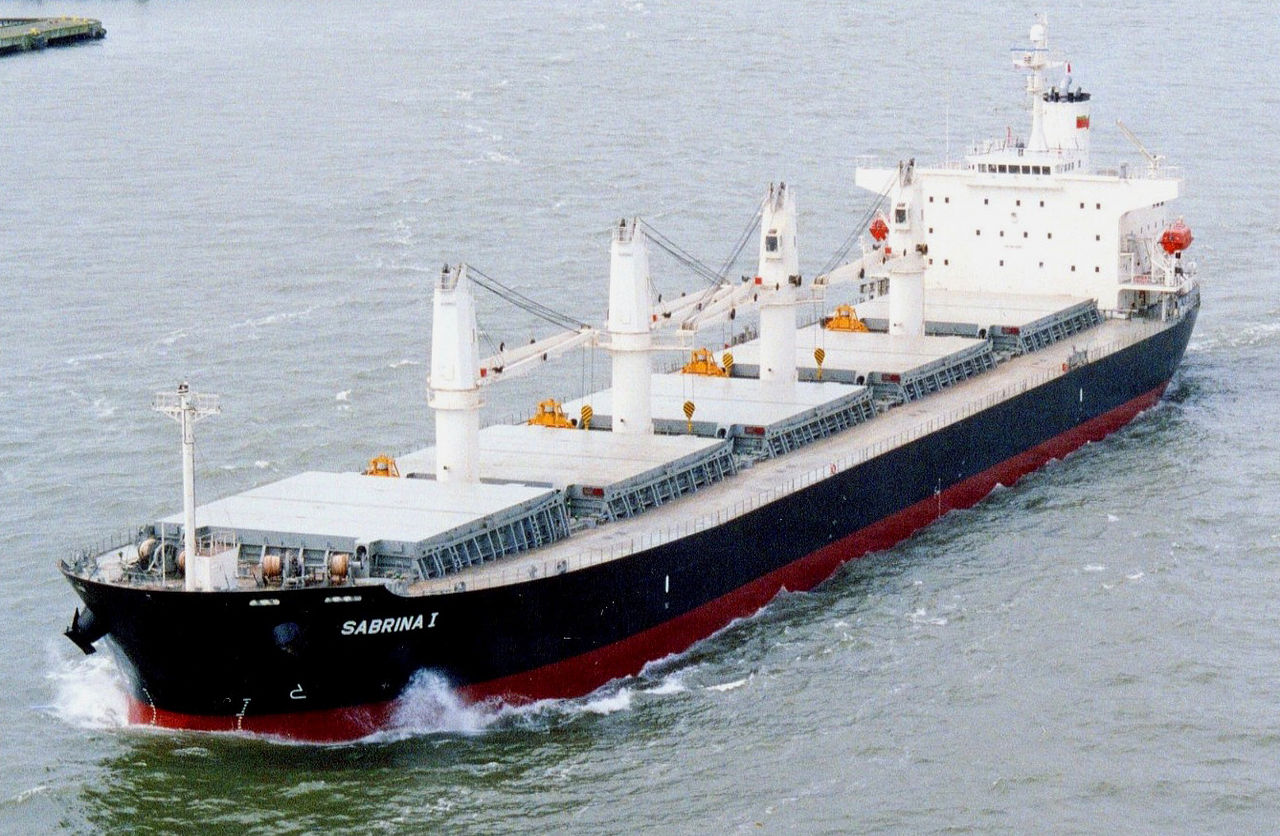
Food on Merchant Ships: A Complete Career Guide
Introduction
This guide explains food on merchant ships—the vital service that keeps crew fed, healthy, and morale high during long voyages. Proper nutrition is a cornerstone of safety and compliance with the International Convention on Standards of Training, Certification and Watchkeeping (STCW) and IMO welfare regulations [IMO, 2020]. The guide is designed for aspiring shipboard cooks, chief cooks, and galley officers, as well as seasoned maritime professionals seeking advancement. Readers will learn eligibility criteria, training pathways, daily duties, career progression, salary expectations, and actionable steps to launch a successful career in shipboard food service.
Before You Begin
Prerequisites
- Age: Minimum 18 years; maximum 45 years for most national flag states (varies by flag) [IMO, 2021].
- Education: High school diploma or equivalent; secondary education in home economics or hospitality is advantageous.
- Medical Fitness: Must pass a Maritime Medical Examination (MMA) meeting IMO Standard A requirements (vision ≥ 6/12, hearing ≥ 30 dB) [IMO, 2022].
- Certifications: STCW Food Safety Model Certificate (STCW‑FSC) and Basic Safety Training (BST) are mandatory.
Required Equipment & Documents
| Item | Description |
|---|---|
| Passport | Valid for at least 6 months |
| Seafarer’s Identity Document (SID) | Issued by national maritime authority |
| STCW‑FSC Certificate | Proof of food safety training |
| Medical Fitness Certificate | IMO‑approved medical report |
| Employment Contract | Outlines rank, salary, and duties |
Estimated Time & Cost
- Training Duration: 4–6 weeks for basic STCW courses; up to 6 months for advanced galley officer programs.
- Cost: $500–$1,200 for certification courses (varies by training institute).
- Safety Precautions: Always adhere to shipboard hygiene standards and fire safety protocols (IMO, 2020).
Step-by-Step Guide
Step 1: Obtain STCW Food Safety Certification
Objective: Secure the foundational qualification required for any galley position.
Instructions:
- Enroll in an approved STCW Food Safety Model Course (e.g., at a maritime academy or certified training center).
- Complete the 40‑hour theory module covering HACCP, personal hygiene, and contamination control.
- Pass the practical assessment, demonstrating proper food handling, storage temperature checks, and record‑keeping.
- Receive the STCW‑FSC certificate and upload it to your SID profile.
Why This Step Matters: The certificate proves compliance with IMO’s Food Safety Code, a prerequisite for all merchant vessels [IMO, 2020].
Pro Tips:
- Choose a training provider accredited by the national maritime authority to avoid re‑validation.
- Practice temperature monitoring with a calibrated thermometer before the exam.
Common Mistakes:
- Skipping the practical component; many candidates assume theory alone suffices.
- Forgetting to renew the certificate every 5 years, leading to non‑compliance.
Example: A trainee at the Indian Maritime Academy completed the STCW‑FSC in 3 weeks, enabling immediate deployment on a vessel under the Indian flag.
Step 2: Complete Basic Safety Training (BST)
Objective: Gain essential safety knowledge for shipboard emergencies.
Instructions:
- Attend a 5‑day BST course covering fire fighting, first aid, personal survival techniques, and elementary first aid.
- Pass the written and practical exams; obtain the BST certificate.
Why This Step Matters: All crew members, including galley staff, must be able to respond to emergencies per SOLAS Chapter III [IMO, 2019].
Pro Tips: Focus on fire‑extinguisher operation; galley fires are a common hazard.
Common Mistakes: Ignoring the personal survival techniques module, which is crucial for lifeboat drills.
Step 3: Apply for Entry‑Level Galley Positions
Objective: Secure a placement as a ship’s cook or assistant cook.
Instructions:
- Update your CV highlighting food service experience, certifications, and medical fitness.
- Register with reputable ship recruitment agencies or directly with shipping lines (e.g., Maersk, MSC).
- Submit applications through the agency portal, attaching all required documents.
- Prepare for interview: expect questions on food safety, menu planning, and emergency procedures.
Why This Step Matters: Direct application streamlines the hiring process and aligns you with vessels that match your qualifications.
Pro Tips: Leverage internal links such as How to Join the Merchant Navy in India for broader career insights.
Common Mistakes: Sending generic CVs; tailor each application to the specific vessel type (e.g., bulk carrier vs. container ship).
Step 4: Master Galley Operations On‑Board
Objective: Deliver safe, nutritious meals while adhering to shipboard standards.
Instructions:
- Conduct daily inventory checks; record temperature logs for refrigerated stores.
- Prepare balanced menus considering cultural preferences and nutritional guidelines (e.g., 2,500 kcal/day per seafarer [UNCTAD, 2020]).
- Maintain strict sanitation: clean surfaces, proper waste segregation, and pest control.
- Coordinate with the Chief Engineer for fuel‑efficient cooking methods.
Why This Step Matters: Quality meals reduce fatigue and illness, directly influencing operational safety.
Pro Tips: Use the “Meal Planning Matrix” (see table below) to rotate menus and minimize monotony.
Common Mistakes: Over‑stocking perishables leading to waste; under‑stocking causing shortages.
Example: A chief cook on a 20,000 DWT bulk carrier implemented a weekly menu rotation, reducing food waste by 15 % over six months.
| Meal | Protein | Carbohydrate | Vegetable | Approx. Calories |
|---|---|---|---|---|
| Breakfast | Eggs (2) | Toast (2 slices) | Tomato slices | 450 |
| Lunch | Chicken curry | Rice (200 g) | Mixed veg | 700 |
| Dinner | Fish stew | Pasta (150 g) | Spinach | 650 |
Step 5: Advance to Chief Cook or Galley Officer
Objective: Progress to senior galley roles with supervisory responsibilities.
Instructions:
- Accumulate at least 12 months of sea service as a qualified cook.
- Complete an advanced galley officer course (e.g., Advanced Culinary Management, 6 weeks).
- Pass the senior food service examination administered by the flag state’s maritime authority.
- Apply for chief cook vacancies; demonstrate leadership and menu development skills during interviews.
Why This Step Matters: Promotion unlocks higher salary brackets and greater influence on crew welfare.
Pro Tips: Attend workshops on nutrition for seafarers; the International Labour Organization (ILO) provides free resources.
Common Mistakes: Neglecting continuous professional development; senior positions require up‑to‑date knowledge of food regulations.
After Completion
- Verification: Your SID will reflect the updated rank and certifications; ship’s crew list (COGL) must list you as Chief Cook.
- Expected Outcome: Ability to design menus, manage galley staff, and ensure compliance with IMO food safety standards.
- Next Actions: Pursue further qualifications such as the Marine Stewardship Council (MSC) certification for sustainable sourcing.
- Maintenance: Renew STCW‑FSC every five years; keep BST current with refresher courses.
Troubleshooting
| Problem | Possible Cause | Solution |
|---|---|---|
| Food spoilage | Inadequate temperature control | Calibrate refrigeration units; log temperatures twice daily. |
| Low crew morale | Repetitive menu | Introduce rotating international dishes; solicit crew feedback. |
| Foodborne illness | Poor personal hygiene | Reinforce hand‑washing protocols; conduct regular health checks. |
Best Practices
- Implement HACCP: Conduct hazard analysis before each meal service.
- Document All Procedures: Maintain a galley logbook for audits.
- Sustainable Sourcing: Prefer MSC‑certified fish to meet environmental standards [MSC, 2021].
- Continuous Learning: Attend webinars hosted by the International Maritime Organization (IMO) on nutrition at sea.
Safety Considerations
- Fire Safety: Keep fire extinguishers accessible; never leave cooking equipment unattended.
- Chemical Handling: Store cleaning agents away from food prep areas; label all chemicals per IMO guidelines.
- Personal Protective Equipment (PPE): Wear non‑slip shoes, gloves, and aprons during galley duties.
Frequently Asked Questions
1. What certifications are mandatory for working in the galley on merchant ships?
Answer: The STCW Food Safety Model Certificate and Basic Safety Training are compulsory. Additional certifications like Advanced Culinary Management enhance promotion prospects.
2. How long does it take to become a chief cook?
Answer: Typically 12–18 months of sea service as a qualified cook, plus completion of an advanced galley officer course and a senior examination.
3. Are there specific dietary requirements for seafarers?
Answer: Yes. IMO guidelines recommend a minimum of 2,500 kcal per person per day, balanced across proteins, carbohydrates, and vitamins. Special diets (e.g., halal, vegetarian) must be accommodated when feasible.
4. What is the average salary for a ship’s cook?
Answer: Entry‑level cooks earn USD 1,800–2,200 per month, while chief cooks can earn USD 2,800–3,500, depending on vessel type and flag state [UNCTAD, 2020].
5. How does food service affect overall ship safety?
Answer: Proper nutrition reduces fatigue, lowers the risk of accidents, and ensures compliance with health standards, directly supporting safe navigation and operation.
Related Resources
- Guides: Advanced Maritime Certificates in India - STCW Certifications and Specialized Qualifications
- Regulations: IMO Food Safety Code (Resolution MSC.1/Circ.1460) – https://www.imo.org/en/OurWork/Safety/Pages/Food-Safety.aspx
- Tools: Galley Management Software – e.g., NAVIS Ship Operations.
- Checklists: Daily Galley Sanitation Checklist (downloadable PDF).
- Glossary: HACCP, SID, STCW, MSC.
Conclusion
Mastering food on merchant ships is more than cooking; it is a critical component of crew welfare, safety, and regulatory compliance. By following this guide—securing the right certifications, gaining practical experience, and adhering to best practices—you can build a rewarding career that keeps seafarers nourished and missions successful.
References & Citations
- International Maritime Organization (IMO). Food Safety Code, MSC.1/Circ.1460, 2020.
- International Maritime Organization (IMO). SOLAS Convention, Chapter III, 2019.
- United Nations Conference on Trade and Development (UNCTAD). Review of Maritime Transport 2020, 2020.
- Marine Stewardship Council (MSC). Sustainable Seafood Guidelines, 2021.
- International Labour Organization (ILO). Maritime Labour Convention (MLC) 2006, 2022.