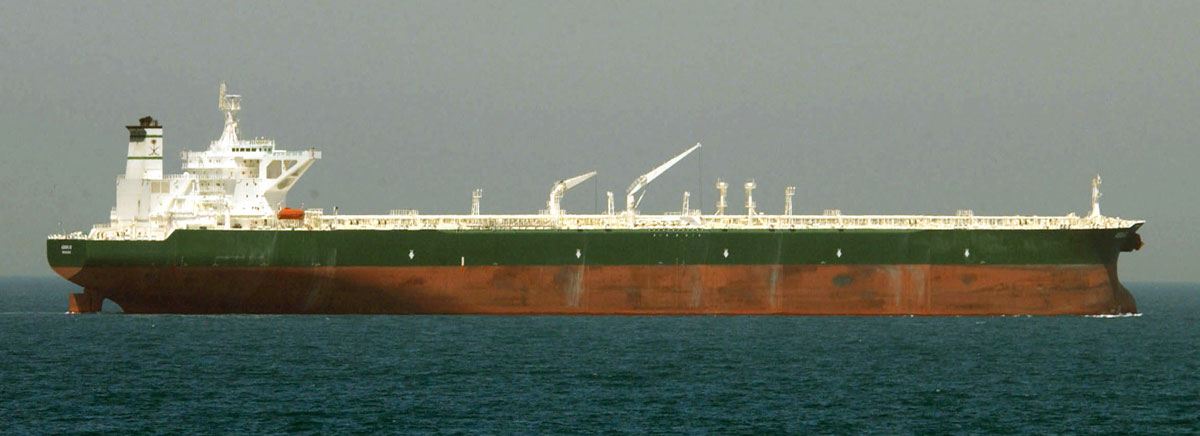
Chief Officer Career Guide: Complete Path to Second-in-Command
The Chief Officer (also called First Mate or Chief Mate) is the second-in-command on a merchant vessel and the head of the deck department [STCW Convention, 2010]. This position represents the pinnacle of operational management before reaching Master rank.
The Chief Officer holds responsibility for cargo operations, safety management, crew supervision, and vessel maintenance. This comprehensive career guide explains the role, qualifications, career progression, challenges, and opportunities for aspiring Chief Officers in the global maritime industry.
Introduction
The Chief Officer position is the critical bridge between operational deck officers and command authority. This role requires mastery of cargo operations, comprehensive safety knowledge, strong leadership capabilities, and readiness to assume command in the Master's absence [ISM Code, 2018].
The global shipping industry employs approximately 89,510 Chief Officers on international trading vessels, with demand projected to increase 8% by 2028 due to fleet expansion and retirement of senior officers [BIMCO/ICS Manpower Report, 2021].
This guide is suitable for:
- Second Officers planning advancement to Chief Officer
- Maritime students understanding senior officer career paths
- Shipping companies developing succession planning programs
- Career changers evaluating maritime management opportunities
The Chief Officer role offers competitive compensation, global travel opportunities, and clear progression to Master rank. However, it also demands significant responsibility, extended time away from home, and continuous professional development.
What Does a Chief Officer Do?
The Chief Officer serves as the vessel's second-in-command and holds primary responsibility for cargo operations, deck maintenance, safety systems, and crew management [SOLAS Convention, 1974].
The Chief Officer reports directly to the Master and supervises the Second Officer, Third Officer, Bosun, and deck crew. On most merchant vessels, the Chief Officer does not stand regular navigation watches, instead focusing on cargo operations, maintenance planning, and administrative duties [Standard Maritime Practice, 2023].
Primary Responsibilities
Cargo Operations: The Chief Officer plans, supervises, and executes all cargo loading, stowing, securing, and discharging operations. This includes stability calculations, cargo securing arrangements, ballast management, and compliance with cargo-specific regulations [IMDG Code, 2020].
Maintenance Management: The Chief Officer develops and implements planned maintenance systems for deck equipment, navigation instruments, life-saving appliances, fire-fighting equipment, and hull integrity. This includes managing spare parts inventories and coordinating repairs with shore contractors [ISM Code, 2018].
Safety and Security: The Chief Officer typically serves as Ship Security Officer (SSO) and oversees implementation of the International Ship and Port Facility Security (ISPS) Code. Additional safety responsibilities include emergency response coordination, safety drills, and accident investigations [ISPS Code, 2004].
Administrative Duties: The Chief Officer manages deck department budgets, port documentation, cargo documentation, crew work schedules, and regulatory compliance records. This role involves extensive reporting to the Master, ship management companies, and port authorities.
Crew Supervision: The Chief Officer directly supervises deck officers and ratings, assigns work tasks, evaluates performance, provides training, and maintains discipline within the deck department.
Working Environment
Chief Officers work on various vessel types including container ships, bulk carriers, oil tankers, LNG carriers, chemical tankers, Ro-Ro vessels, cruise ships, and offshore support vessels. The working environment varies significantly by vessel type and trade route.
Container Ships: High-intensity cargo operations with rapid port turnarounds. Chief Officers coordinate with stevedores, terminal operators, and cargo planners to ensure efficient loading sequences and container weight distribution.
Bulk Carriers: Management of heavy cargo loading rates, cargo hold inspections, and bulk cargo properties. Chief Officers must understand cargo behavior, moisture content effects, and loading/unloading sequences to prevent structural stress.
Tankers: Specialized cargo operations for oil, chemicals, or liquefied gases. Chief Officers on tankers require advanced knowledge of cargo properties, vapor management, tank cleaning procedures, and pollution prevention.
Typical Work Schedule
Unlike junior officers who stand fixed watches, Chief Officers typically work during daylight hours in port (0600-1800) and maintain administrative hours at sea with availability for cargo-related emergencies 24/7 [Standard Maritime Practice, 2023].
Port working hours frequently extend beyond 12 hours during intensive cargo operations. The Chief Officer often arrives on deck before cargo operations commence and remains until operations complete and the vessel is secured for sea.
Roles & Responsibilities
Operational Responsibilities
Cargo Planning: Develop comprehensive cargo plans ensuring optimal stability, stress distribution, and cargo compatibility. Calculate draft surveys and monitor cargo condition throughout voyages [IMSBC Code, 2020].
Deck Maintenance: Implement planned maintenance for mooring equipment, cargo gear, hatch covers, deck cranes, windlasses, lifeboats, davits, and fire-fighting systems. Coordinate painting, preservation, and repair works.
Navigation Equipment: Oversee maintenance of navigation equipment including radar, ECDIS, GPS, gyrocompass, magnetic compass, and communications equipment. Ensure compliance with SOLAS carriage requirements [SOLAS Chapter V, 2002].
Supply Management: Manage procurement of deck stores, spare parts, safety equipment, and consumables. Maintain inventories within budgetary constraints while ensuring operational readiness.
Safety Responsibilities
Emergency Preparedness: Organize and conduct safety drills including fire drills, abandon ship drills, oil spill response drills, and security drills. Ensure crew competency in emergency procedures [SOLAS Chapter III, 2006].
Safety Inspections: Conduct regular inspections of life-saving appliances, fire-fighting equipment, cargo spaces, ballast tanks, and working areas. Document deficiencies and implement corrective actions.
Accident Investigation: Lead investigations into accidents, injuries, or near-miss incidents. Prepare detailed reports and implement preventive measures to avoid recurrence.
Risk Assessment: Develop and maintain risk assessments for cargo operations, maintenance activities, and routine operations. Implement control measures to minimize identified risks [ISM Code, 2018].
Regulatory Responsibilities
Compliance Management: Ensure vessel operations comply with international conventions (SOLAS, MARPOL, MLC), flag state regulations, port state requirements, and company policies.
Documentation: Maintain deck logbooks, oil record books, cargo record books, training records, equipment maintenance records, and certificate renewal schedules. Prepare documentation for port state control inspections and vetting inspections.
Certification: Monitor validity of vessel certificates including load line certificate, tonnage certificate, safety equipment certificates, and pollution prevention certificates. Arrange surveys and renewals before expiration.
Administrative Duties
Reporting: Submit operational reports to the Master and shore management including cargo reports, maintenance reports, incident reports, and port expense reports. Prepare monthly deck department reports.
Budget Management: Manage deck department operating budgets, track expenditures, and justify budget requests to management.
Port Operations: Coordinate with port agents, stevedores, surveyors, and terminal operators. Attend pre-loading meetings and address cargo-related issues with charterers and cargo interests.
Leadership Responsibilities
Training and Development: Train junior officers in cargo operations, navigation, safety procedures, and leadership skills. Evaluate officer performance and provide career development guidance.
Conflict Resolution: Mediate disputes between crew members, address disciplinary issues, and maintain professional working relationships within the deck department.
Succession Planning: Develop Second Officers' capabilities to prepare them for Chief Officer responsibilities. Delegate significant responsibilities to build competence and confidence.
Skills Required
Technical Skills
Cargo Operations Expertise: Comprehensive knowledge of cargo handling procedures for various cargo types including containers, bulk cargo, liquid cargo, project cargo, and hazardous materials [IMDG Code, 2020].
Ship Stability: Advanced understanding of stability principles, stress calculations, load line regulations, and intact/damage stability assessment. Proficiency in stability calculation software [Load Line Convention, 1966].
Navigation Knowledge: Thorough understanding of navigation, collision avoidance, passage planning, and bridge resource management even though Chief Officers typically don't stand regular watches.
Maintenance Management: Knowledge of planned maintenance systems, condition-based maintenance, reliability-centered maintenance, and equipment troubleshooting.
Maritime Regulations: Expert knowledge of SOLAS, MARPOL, STCW, ISM Code, ISPS Code, MLC, and relevant industry guidelines and best practices.
Soft Skills
Leadership: Ability to lead, motivate, and manage diverse multinational teams under challenging operational conditions. The Chief Officer sets the professional tone for the entire deck department.
Communication: Clear written and oral communication skills for interacting with Masters, junior officers, crew, shore management, port authorities, and commercial interests.
Decision Making: Sound judgment and decisive action under pressure, particularly during cargo emergencies, equipment failures, or safety incidents.
Problem Solving: Analytical thinking and creative solutions for operational challenges, equipment malfunctions, cargo issues, and personnel problems.
Diplomacy: Tactful handling of sensitive situations including crew welfare issues, commercial disputes, and regulatory inspections.
Time Management: Effective prioritization and task management to balance competing demands of cargo operations, maintenance, administration, and safety responsibilities.
Stress Management: Ability to maintain performance under the sustained pressure of intensive cargo operations, extended working hours, and continuous responsibility.
Eligibility Requirements
Educational Qualifications
Minimum Requirement: Bachelor of Science in Nautical Science, Marine Transportation, or equivalent maritime qualification from a recognized maritime academy [STCW Convention, 2010].
Some maritime academies offer Master Mariner programs that integrate advanced academic study with practical training. These programs may reduce required sea time for Chief Officer certification in certain jurisdictions.
Age Requirements
STCW regulations do not specify age limits for Chief Officer certification. However, medical fitness requirements become more stringent with age, and shipping companies may have employment age policies [STCW Section A-I/9, 2010].
The typical Chief Officer is between 35 and 50 years old, reflecting the sea time and experience required to reach this position [Maritime Workforce Demographics, 2022].
Medical Fitness
Chief Officers must hold a valid seafarer medical certificate (PEME) issued by an approved medical practitioner [MLC Convention, 2006]. Medical standards include:
- Uncorrected visual acuity or corrected to 20/20
- Normal color vision (critical for navigation and cargo operations)
- Adequate hearing
- Cardiovascular fitness
- Mental and psychological fitness
- Absence of conditions affecting safe performance of duties
Medical certificates typically remain valid for two years for seafarers under 40 years and one year for seafarers over 40 years.
Legal Requirements
Valid Passport: Minimum six months validity beyond contract expiration date. Many countries require visas for seafarers even for brief port calls.
National Licenses: Compliance with national merchant navy requirements of the seafarer's country of citizenship.
Required Certifications
STCW Management Level Certificate
Certificate of Competency as Chief Mate issued by a recognized maritime administration certifying competence as per STCW Regulation II/2 [STCW Convention, 2010]. This certificate requires:
- Minimum 12 months of service as Second Officer on vessels of 500 GT or more
- Successful completion of approved Chief Mate examination
- Valid STCW endorsement
Mandatory STCW Training Certificates
All certificates must be current and issued by approved training providers:
Advanced Fire Fighting (AFF): Management of firefighting operations and command of firefighting teams [STCW Section A-VI/3, 2010].
Medical First Aid: Advanced medical care responsibilities for vessels without medical doctors [STCW Section A-VI/4, 2010].
Medical Care: Higher level medical training for extended medical responsibilities on larger vessels [STCW Section A-VI/4, 2010].
Advanced Training for Oil Tanker Operations: Mandatory for Chief Officers on oil tankers [STCW Regulation V/1-1, 2010].
Advanced Training for Chemical Tanker Operations: Required for service on chemical tankers [STCW Regulation V/1-1, 2010].
Advanced Training for Liquefied Gas Tanker Operations: Required for LNG/LPG carriers [STCW Regulation V/1-2, 2010].
Ship Security Officer (SSO) Training: Typically held by Chief Officers [ISPS Code, 2004].
Additional Certifications
Bridge Resource Management (BRM): Effective team management and decision making on the bridge [STCW Section A-II/2, 2010].
ECDIS Generic and Type-Specific: Electronic chart systems operation [STCW Regulation V/2, 2010].
GMDSS General Operator's Certificate (GOC): Required for Chief Officers standing bridge watches [STCW Regulation IV/2, 2010].
Crowd Management (for passenger vessels): Required for passenger ship Chief Officers [STCW Regulation V/2, 2010].
Step-by-Step Career Path
The progression to Chief Officer follows this standard pathway:
Maritime Academy Student (3-4 years)
Complete Bachelor's degree or Diploma in Nautical Science at an accredited maritime academy. Programs combine theoretical education with simulator training and short seagoing training periods.
Deck Cadet (12-18 months)
Onboard training phase completing an approved cadetship program. Gain practical experience under supervision while maintaining a Training Record Book documenting competencies.
Third Officer (18-36 months)
First officer position with Certificate of Competency. Stand 4-hour navigation watches, learn cargo operations, and begin developing leadership skills.
Second Officer (24-36 months)
Management-level position typically serving as Navigation Officer. Responsibilities include chart corrections, passage planning, navigation equipment maintenance, and assistant cargo operations during port stays.
Chief Officer (36-60 months)
Second-in-command position with full responsibility for cargo operations, maintenance, and safety management. This extended period builds the comprehensive knowledge and leadership capability required for command.
Master (Command Authority)
After demonstrating competence as Chief Officer, candidates progress to Master certification through additional sea time, examinations, and leadership development.
Total Timeline: 10-15 years from maritime academy entry to Master certification.
Salary Expectations
Entry-Level Chief Officer Salary
Newly promoted Chief Officers earn between $6,000 and $9,000 per month depending on vessel type, flag, and employer [Maritime Salary Survey, 2023].
Container ship Chief Officers typically earn at the higher end of this range due to intensive cargo operations and commercial pressures. Tanker Chief Officers receive similar compensation with additional allowances for specialized cargo handling.
Mid-Career Chief Officer Salary
Experienced Chief Officers with 3-7 years in rank earn between $8,000 and $12,000 per month [ICS Salary Benchmarks, 2023].
LNG carrier Chief Officers and specialized vessel Chief Officers command premium salaries due to technical complexity and specialized knowledge requirements.
Senior Chief Officer Salary
Chief Officers with extensive experience on large vessels or specialized tonnage earn $10,000 to $15,000 per month [Maritime Executive Survey, 2022].
Chief Officers nearing Master promotion on major shipping company fleets or cruise ships reach the highest salary levels within the Chief Officer rank.
Factors Affecting Salary
Vessel Type: LNG carriers, cruise ships, and large container vessels offer higher compensation than general cargo vessels or smaller bulk carriers.
Vessel Size: Chief Officers on larger vessels (100,000+ DWT) earn more than those on smaller vessels due to increased cargo responsibilities and operational complexity.
Flag State: Vessels registered under certain flags (Norway, Singapore, Marshall Islands) typically pay higher salaries than vessels under flags of convenience with lower cost structures.
Company Reputation: Major international shipping companies (Maersk, MSC, CMA CGM, ExxonMobil) generally offer better compensation and benefits than smaller operators.
Trade Route: International deep-sea trade routes typically pay more than coastal or regional trades.
Experience: Years of service as Chief Officer and specialization in specific vessel types or cargo operations affect salary negotiations.
Career Growth Opportunities
Promotion to Master
The primary career progression from Chief Officer is advancement to Master (Captain). This requires additional sea time as Chief Officer (typically 12-24 months), passing Master-level examinations, and demonstrating command readiness [STCW Regulation II/2, 2010].
Specialization Opportunities
Tanker Specialist: Development of expert knowledge in oil, chemical, or gas tanker operations. Specialized Chief Officers command premium salaries and enhanced career security.
Container Operations Expert: Mastery of container ship operations, cargo planning software, and terminal interface procedures creates opportunities with major liner companies.
Heavy Lift/Project Cargo: Specialization in project cargo, heavy lift operations, or offshore installation work provides niche career opportunities.
Ice Navigation: Chief Officers with ice navigation experience and Polar Code training find opportunities on vessels operating in Arctic and Antarctic waters [Polar Code, 2017].
Shore-Based Career Transitions
Marine Superintendent: Shore-based position managing vessel operations, technical compliance, and crew management for shipping companies. Typical salary ranges from $70,000 to $120,000 annually [Maritime Shore Jobs Survey, 2023].
Port Captain: Coordination of vessel port operations, technical support, and commercial interface. Requires deep operational knowledge gained as Chief Officer.
Marine Surveyor: Independent or classification society surveyors conducting vessel inspections, damage assessments, and compliance verifications.
Vetting Inspector: Conducting inspections on behalf of oil majors or cargo interests to verify vessel suitability for charter.
Maritime Academy Instructor: Teaching positions at maritime training institutions utilizing practical experience to educate future officers.
Marine Consultant: Advisory services for shipping companies, legal firms, or insurance companies on operational, technical, or regulatory matters.
International Opportunities
The Chief Officer qualification provides global mobility. Officers with unlimited certificates can work on vessels under any flag state after obtaining appropriate endorsements [STCW Regulation I/10, 2010].
Major maritime employment markets include Singapore, Hong Kong, Norway, United Kingdom, United States, United Arab Emirates, and Greece. International mobility allows Chief Officers to optimize compensation and career opportunities.
Advantages
Professional Benefits
High Responsibility: The Chief Officer role provides meaningful work with direct impact on vessel safety, cargo integrity, and commercial success.
Leadership Development: Managing deck departments develops leadership skills applicable in maritime and non-maritime contexts.
Technical Expertise: Comprehensive knowledge of ship operations, cargo handling, and maritime regulations creates valuable professional credentials.
Command Pathway: The Chief Officer position is the final step before achieving Master rank and vessel command authority.
Financial Benefits
Competitive Salary: Chief Officer compensation exceeds median national incomes in most countries and provides comfortable middle-to-upper class lifestyle.
Tax Advantages: Seafarers in many jurisdictions qualify for tax exemptions or reduced tax rates on seagoing income [MLC Convention, 2006].
Comprehensive Benefits: Employment typically includes accommodation, meals, medical care, travel expenses, vacation time, and pension contributions.
Savings Potential: Absence of living expenses while at sea allows significant savings potential compared to shore-based employment.
Lifestyle Benefits
Global Travel: Chief Officers visit ports worldwide, experiencing diverse cultures and geographic regions.
Extended Leave: Seafarers typically work contracts of 3-6 months followed by 2-3 months paid leave, providing extended time with family [MLC Convention, 2006].
Professional Network: Building relationships with international colleagues creates valuable personal and professional networks.
Challenges
Work-Life Balance
Extended Separation from Family: Contracts typically span 3-6 months, creating strain on marriages, partnerships, and parent-child relationships. This challenge represents the primary reason for career departure among seafarers [Maritime Retention Study, 2021].
Missed Family Events: Absence during birthdays, holidays, children's milestones, and family emergencies creates emotional challenges.
Relationship Stress: Maintaining relationships while absent for extended periods requires extraordinary commitment from both partners.
Physical Demands
Long Working Hours: Chief Officers routinely work 12-16 hour days during intensive port operations, significantly exceeding the 8-hour standard workday ashore [ILO Report on Seafarer Fatigue, 2019].
Physical Requirements: Cargo operations and deck work require climbing vertical ladders, working at heights, exposure to weather extremes, and occasional heavy physical labor.
Fatigue Management: Sustained operational tempo during cargo operations can lead to accumulated fatigue affecting decision-making and physical health.
Mental Challenges
Isolation: Limited social interaction during long voyages and separation from support networks can affect mental health and emotional well-being.
Stress Responsibility: The Chief Officer's extensive safety and commercial responsibilities create continuous pressure, particularly during cargo emergencies or equipment failures.
Decision Pressure: Critical decisions affecting cargo safety, crew safety, and commercial outcomes must be made independently with limited shore support.
Industry Competition
Limited Positions: Each vessel employs only one Chief Officer, creating fewer positions compared to junior officer ranks. Promotion bottlenecks can extend time in Second Officer rank.
Experience Requirements: Shipping companies increasingly require specialized experience or specific vessel type knowledge, limiting mobility between vessel sectors.
Tips for Success
For Aspiring Chief Officers (Second Officers)
Master Cargo Operations: Volunteer for all cargo-related tasks during Second Officer service. Shadow the Chief Officer during cargo operations to learn practical cargo management.
Develop Leadership Skills: Take initiative in training junior officers, leading deck crew for maintenance tasks, and accepting delegated responsibilities from the Chief Officer.
Study Continuously: Maintain professional reading of cargo regulations, safety circulars, and industry best practices. Successful Chief Officers never stop learning.
Build Relationships: Cultivate professional relationships with Masters, technical superintendents, and shore management. Recommendations from respected senior officers accelerate promotion.
Document Achievements: Maintain records of significant accomplishments, problem-solving successes, and safety improvements. This documentation supports promotion interviews and future employment applications.
For Current Chief Officers
Prepare for Command: Treat every voyage as preparation for Master rank. Study the Master's decision-making process, commercial considerations, and strategic thinking.
Mentor Junior Officers: Investment in junior officer development creates effective teams and demonstrates leadership capability to Masters and management.
Master Technology: Develop proficiency in cargo planning software, maintenance management systems, and modern navigation technology. Technological competence differentiates competitive candidates.
Maintain Certifications: Ensure all STCW certificates remain current. Certificate expiration prevents employment and causes career gaps.
Plan Career Progression: Set specific timelines for Master certification, identify required sea time and examination requirements, and communicate career goals to management.
For Experienced Chief Officers
Specialize: Develop recognized expertise in specific vessel types, cargo systems, or operational areas. Specialized knowledge creates employment security and premium compensation opportunities.
Consider Shore Transition: Evaluate shore-based opportunities utilizing seagoing experience. Effective transition timing maximizes career satisfaction and financial outcomes.
Network Professionally: Maintain relationships with maritime professionals through industry associations, LinkedIn, and professional conferences. Networks create opportunities during job transitions.
Common Mistakes to Avoid
Neglecting Soft Skills: Technical competence alone is insufficient for Chief Officer success. Leadership, communication, and diplomacy are equally critical. Officers who focus exclusively on technical skills struggle with crew management and commercial interface.
Rushing Progression: Seeking promotion before developing comprehensive competence creates stress and increases accident risk. Effective Chief Officers build confidence through thorough Second Officer experience before advancement.
Failing to Document Sea Service: Incomplete or improperly documented sea service delays certification by months or years. Verify discharge book entries before paying off from every vessel.
Ignoring Health: The demanding Chief Officer schedule requires physical fitness and stress management. Officers who neglect health face medical disqualification or reduced performance.
Burning Bridges: The maritime industry is surprisingly small. Unprofessional behavior or poor performance follows officers throughout their careers. Maintain professional relationships with all colleagues and employers.
Resisting Technology: Modern cargo operations increasingly rely on software systems for cargo planning, stability calculation, and maintenance management. Officers who resist technological adaptation become unemployable.
Ignoring Family Relationships: Career success means nothing if personal relationships fail. Successful maritime careers require active relationship maintenance and family support.
Frequently Asked Questions
How long does it take to become a Chief Officer from Deck Cadet?
The typical timeline is 8 to 12 years including cadet training (12-18 months), Third Officer service (18-36 months), and Second Officer service (24-48 months), plus examination and certification time [Maritime Career Progression Study, 2022].
What is the difference between Chief Officer and First Mate?
These are different names for the same position. "Chief Officer" is the international standard term, while "First Mate" is used in some jurisdictions including the United States. Both refer to the second-in-command on a merchant vessel [STCW Convention, 2010].
Do Chief Officers stand navigation watches?
On most merchant vessels, Chief Officers do not stand regular navigation watches, instead focusing on cargo operations, maintenance, and administration. However, on smaller vessels or specialized operations, Chief Officers may participate in the watch schedule [Standard Maritime Practice, 2023].
Can a Chief Officer command a vessel?
Yes. The Chief Officer assumes temporary command when the Master is incapacitated, ashore, or otherwise unavailable. However, this is an emergency measure, not a permanent command appointment [SOLAS Convention, 1974].
What is the retirement age for Chief Officers?
STCW regulations do not specify mandatory retirement ages. However, maintaining medical fitness becomes more challenging with age, and some shipping companies have employment age policies. Many Chief Officers work into their 60s if medically fit [STCW Section A-I/9, 2010].
Is the Chief Officer responsible if cargo is damaged?
The Chief Officer bears professional responsibility for cargo operations under their supervision. However, legal liability depends on specific circumstances, contractual terms, and applicable maritime law. Insurance typically covers cargo damage arising from operational errors [Hague-Visby Rules, 1979].
Can I transition to shore jobs as a Chief Officer?
Yes. Chief Officer experience qualifies candidates for marine superintendent, port captain, marine surveyor, vetting inspector, and maritime consultant positions. Many shipping companies prefer hiring shore staff with recent Chief Officer experience [Maritime Shore Employment Survey, 2023].
Do I need a Master's license to work as Chief Officer?
No. The Chief Officer position requires only a Chief Mate/First Mate certificate. The Master's license is required only for promotion to Master rank [STCW Regulation II/2, 2010].
What happens if I let my STCW certificates expire?
Expired STCW certificates prohibit shipboard employment. Renewal typically requires refresher training and demonstration of continued competency. Gaps in certificate validity create employment interruptions and potential income loss [STCW Regulation I/11, 2010].
Are there female Chief Officers?
Yes. The number of female deck officers is increasing globally, though women remain underrepresented in senior maritime positions. The IMO actively promotes gender equality in maritime professions [IMO Maritime Gender Equality Survey, 2021].
Related Careers
Master/Captain: The ultimate progression from Chief Officer, commanding the vessel and bearing full responsibility for operations, safety, crew, and commercial matters.
Marine Superintendent: Shore-based position managing vessel technical operations, maintenance, compliance, and crew for shipping companies.
Port Captain: Coordinates vessel port operations, technical support, husbanding services, and commercial interface.
Marine Surveyor: Conducts vessel inspections, damage assessments, and compliance verifications for classification societies, insurance companies, or as independent surveyors.
Vetting Inspector: Performs inspections on behalf of oil majors and cargo interests to assess vessel suitability for charter.
Maritime Academy Instructor: Teaching positions at maritime training institutions educating future deck officers.
Marine Consultant: Advisory services on operational, technical, regulatory, or legal maritime matters.
Related Resources
Understanding the Chief Officer career benefits from reviewing related materials:
- Captain Career Guide for next career progression
- Second Officer After Deck Cadet for progression pathway to Chief Officer
- Shore Jobs After Sailing as a Deck Officer for shore transition options
- Deck Cadet Career Path for complete career progression overview
- Certificate of Competency Guide for certification procedures
Conclusion
The Chief Officer position represents the pinnacle of operational management in the merchant navy, requiring comprehensive cargo expertise, strong leadership capabilities, and readiness for command responsibilities. The career offers competitive compensation ($6,000-$15,000 monthly), global opportunities, and clear progression to Master rank [Maritime Salary Survey, 2023].
However, success as a Chief Officer demands extended time away from family, sustained responsibility under pressure, and continuous professional development. The typical progression from maritime academy to Chief Officer spans 8 to 12 years, reflecting the extensive knowledge and experience required for this critical role.
Aspiring Chief Officers should focus on mastering cargo operations, developing leadership skills, maintaining comprehensive documentation, and building professional networks. The investment in maritime education and seagoing experience creates rewarding career opportunities in global shipping.
References & Citations
- STCW Convention, 2010. International Convention on Standards of Training, Certification and Watchkeeping for Seafarers.
- ISM Code, 2018. International Safety Management Code.
- SOLAS Convention, 1974. International Convention for the Safety of Life at Sea.
- BIMCO/ICS Manpower Report, 2021. Seafarer Workforce Report.
- IMDG Code, 2020. International Maritime Dangerous Goods Code.
- ISPS Code, 2004. International Ship and Port Facility Security Code.
- STCW Regulation II/2, 2010. Chief Mate Certification Requirements.
- Maritime Workforce Demographics, 2022. Global Seafarer Age and Experience Study.
- MLC Convention, 2006. Maritime Labour Convention.
- Load Line Convention, 1966. International Convention on Load Lines.
- Maritime Salary Survey, 2023. International Maritime Compensation Report.
- ICS Salary Benchmarks, 2023. International Chamber of Shipping Salary Standards.
- Maritime Executive Survey, 2022. Senior Officer Compensation Analysis.
- Polar Code, 2017. International Code for Ships Operating in Polar Waters.
- Maritime Shore Jobs Survey, 2023. Shore-Based Maritime Employment Opportunities.
- Maritime Retention Study, 2021. Factors Affecting Seafarer Career Duration.
- ILO Report on Seafarer Fatigue, 2019. Working Hours and Fatigue in Maritime Industry.
- Hague-Visby Rules, 1979. International Convention for Carriage of Goods by Sea.
- IMO Maritime Gender Equality Survey, 2021. Women in Maritime Professions.
- Maritime Career Progression Study, 2022. Average Timelines for Officer Advancement.