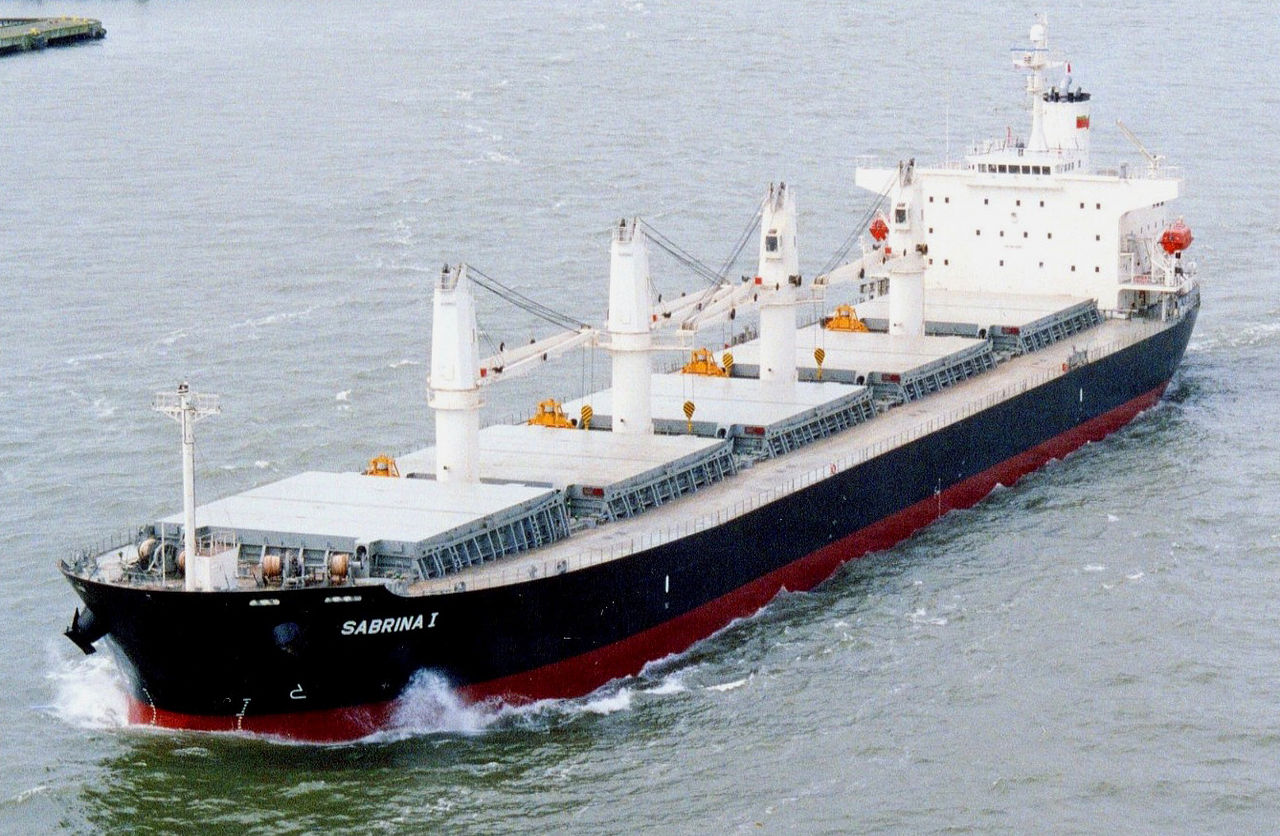
A Practical Guide to Bulk Carrier Companies in India
Introduction
This guide explains how to assess, engage with, and build a career within bulk carrier companies in India. Bulk carrier companies form the backbone of global dry‑cargo trade, moving commodities such as coal, iron ore, and grain across continents. Understanding their operations, regulatory environment, and career pathways is essential for seafarers, maritime students, and industry stakeholders.
Who should use this guide?
- Aspiring officers and ratings seeking employment on Indian bulk carriers.
- Maritime educators and career counselors advising students.
- Shipping analysts evaluating the Indian dry‑cargo market.
Readers will learn how to identify reputable firms, meet qualification requirements, navigate the application process, and succeed in a bulk carrier environment.
Before You Begin
| Item | Details |
|---|---|
| Prerequisites | Basic maritime education (e.g., B.Sc. Nautical Science, DNS) and STCW certification. |
| Required qualifications | Seafarer’s Identity Document (SID), valid medical certificate, and relevant endorsements (e.g., GMDSS). |
| Required equipment | Personal protective equipment (PPE), lifejacket, and a reliable internet connection for online applications. |
| Required documents | Passport, CV, copies of certificates, and a signed declaration of fitness. |
| Estimated time | 2–4 weeks for document preparation; 1–3 months for recruitment cycles. |
| Estimated cost | Application fees (≈ USD 150), medical exam (≈ USD 200), and travel for interviews (variable). |
| Safety precautions | Verify the legitimacy of recruiters; avoid sharing personal data with unverified parties. |
| Relevant regulations | International Convention on Standards of Training, Certification and Watchkeeping (STCW) [IMO, 1978]; IMO’s Bulk Carrier Code (BCC) [IMO, 2015]. |
Step-by-Step Guide
Step 1: Research the Indian Bulk Carrier Landscape
Objective: Build a knowledge base of the major players, fleet sizes, and market share.
Instructions:
- Review the latest UNCTAD Review of Maritime Transport (2023) for statistics on Indian dry‑cargo tonnage.
- Consult the Indian Register of Shipping (IRS) database for vessel particulars.
- Identify the top five bulk carrier companies by deadweight tonnage (e.g., JSW Shipping, Essar Shipping, Great Eastern Shipping, Reliance Shipping, Mitsui O.S.K. Lines India).
Why This Step Matters: Accurate market insight prevents misdirected applications and helps you target firms aligned with your career goals.
Pro Tips:
- Use the IMO vessel search portal (https://www.imo.org) to verify IMO numbers and flag any blacklisted vessels.
- Track news from reputable maritime news portals such as Lloyd’s List for recent acquisitions or fleet expansions.
Common Mistakes:
- Relying on outdated fleet data; always check the latest registry updates.
- Overlooking smaller niche operators that may offer faster career progression.
Example: A candidate discovered that Great Eastern Shipping added three 180,000‑DWT capes in 2022, creating new officer positions.
Step 2: Match Your Qualifications with Company Requirements
Objective: Ensure your certifications and experience align with the company's crew standards.
Instructions:
- List your certificates (e.g., Officer in Charge of a Navigational Watch – OICNW, GMDSS Radio Operator).
- Compare each certificate against the company’s recruitment advert (usually posted on their website or maritime job portals).
- Note any gaps (e.g., lack of a STCW 2010 endorsement) and plan remedial training.
Why This Step Matters: Companies reject applications with missing or non‑compliant documents, leading to wasted effort.
Pro Tips:
- Enroll in short‑term courses like the Electro Technical Officer (ETO) Course to broaden eligibility.
- Keep digital copies of certificates in PDF format for quick submission.
Common Mistakes:
- Submitting expired certificates; always verify expiry dates.
- Ignoring the need for a Seafarer’s Continuous Professional Development (CPD) record.
Example: An applicant realized their GMDSS certification expired in March 2024 and promptly renewed it before applying to Essar Shipping.
Step 3: Prepare a Targeted Application Package
Objective: Craft a professional CV and cover letter that highlight relevant bulk‑carrier experience.
Instructions:
- Use a chronological format; emphasize dry‑cargo voyages, cargo handling, and navigation in rough seas.
- Include a Career Objective tailored to bulk carriers (e.g., “Seeking a junior officer role on a 150,000‑DWT bulk carrier to apply my expertise in cargo stowage and ballast management”).
- Attach scanned copies of all certificates and a recent passport‑size photograph.
Why This Step Matters: Recruiters often screen hundreds of applications; a concise, relevant package stands out.
Pro Tips:
- Mention familiarity with the Bulk Carrier Code (BCC) and ballast water management regulations.
- Provide links to your LinkedIn profile or maritime e‑portfolio.
Common Mistakes:
- Using generic templates that do not reflect bulk‑carrier specifics.
- Overloading the CV with unrelated experience (e.g., unrelated hospitality work).
Example: A candidate added a bullet point: “Managed cargo trim and stability calculations for 180,000‑DWT shipments of iron ore, adhering to BCC standards.”
Step 4: Navigate the Interview Process
Objective: Successfully demonstrate competence and cultural fit during interviews.
Instructions:
- Prepare for technical questions on stowage plans, cargo segregation, and emergency procedures.
- Review the company’s ESG (Environmental, Social, Governance) policies—many Indian firms now follow the IMO 2020 sulphur cap.
- Practice scenario‑based questions (e.g., “How would you handle a sudden cargo shift in heavy weather?”).
Why This Step Matters: Interviews assess both knowledge and attitudes; performance influences final selection.
Pro Tips:
- Reference the IMO’s Bulk Carrier Code during answers to show regulatory awareness.
- Dress in business‑appropriate attire; maintain punctuality, especially for virtual interviews.
Common Mistakes:
- Failing to articulate practical experiences; vague answers reduce credibility.
- Neglecting to ask questions about crew welfare and training opportunities.
Example: An applicant answered: “I would immediately assess the cargo shift using the ship’s stability software, inform the chief officer, and implement the BCC‑mandated corrective measures.”
Step 5: Complete Medical and Documentation Clearance
Objective: Obtain the final health and legal clearance required for embarkation.
Instructions:
- Schedule a seafarer medical exam with an IMO‑approved clinic (e.g., Port Health Authority).
- Submit the medical certificate, passport, and any additional documents (e.g., Police Clearance Certificate) to the company’s HR portal.
- Await the issuance of a Seafarer’s Employment Contract and Letter of Indemnity if required.
Why This Step Matters: Without a valid medical certificate, the company cannot issue a visa or a contract.
Pro Tips:
- Keep a copy of the STCW 2010 endorsement on hand during the exam.
- Verify the visa requirements for the intended flag state (often Liberia or Panama for bulk carriers).
Common Mistakes:
- Delaying the medical exam, causing onboarding delays.
- Forgetting to renew the Vision Standards as per IMO guidelines [IMO, 2022].
Example: After passing the medical exam, a seafarer received a 10‑year seafarer’s endorsement, enabling immediate deployment on a JSW Shipping vessel.
Step 6: Embark and Integrate into the Crew
Objective: Seamlessly join the vessel’s crew and commence duties.
Instructions:
- Attend the Pre‑Joining Briefing (often conducted via video conference).
- Review the ship’s Safety Management System (SMS) and Shipboard Oil Pollution Emergency Plan (SOPEP).
- Familiarize yourself with the vessel’s cargo handling equipment (e.g., gantry cranes, conveyor belts).
Why This Step Matters: Early integration reduces the risk of accidents and enhances operational efficiency.
Pro Tips:
- Participate actively in the Daily Muster and Safety Drills.
- Keep a personal log of any observations for future performance reviews.
Common Mistakes:
- Ignoring the SMS hierarchy; failing to report unsafe conditions.
- Overlooking local customs and crew dynamics, which can affect morale.
Example: A newly joined officer quickly mastered the ballast water treatment system, contributing to the vessel’s compliance with the IMO Ballast Water Management Convention.
After Completion
- Verify Success: Confirm that you have received a signed contract, a valid seafarer’s ID, and that the vessel’s crew list includes your name.
- Expected Outcome: Deployment on a bulk carrier operating in Indian or international trade lanes, with clear duties and performance metrics.
- Next Recommended Actions: Pursue Continuous Professional Development (CPD) courses, such as advanced cargo handling or leadership training.
- Maintenance or Follow‑up Tasks: Keep certifications current, maintain fitness standards, and stay updated on regulatory changes (e.g., IMO 2023 amendments to the BCC).
Troubleshooting
| Problem | Possible Cause | Recommended Solution |
|---|---|---|
| Application rejection | Missing or expired certificates | Renew certificates; double‑check expiry dates. |
| Delayed onboarding | Incomplete medical clearance | Re‑schedule medical exam; verify required documents. |
| Visa issues | Incorrect flag state selection | Consult the company’s HR for correct flag and visa procedures. |
| On‑board performance gaps | Lack of familiarity with cargo systems | Request on‑board training; study the vessel’s manuals. |
Best Practices
- Maintain a digital dossier of all certificates with expiration alerts.
- Network with alumni from maritime academies (e.g., via the B.Sc. Nautical Science in India program).
- Stay compliant with the latest IMO amendments; subscribe to IMO newsletters.
- Document all cargo operations for audit trails, enhancing safety culture.
Safety Considerations
- Always wear PPE when on deck, especially during cargo operations.
- Follow the Bulk Carrier Code for stability and cargo handling to prevent accidents.
- Adhere to the STCW 2010 standards for watchkeeping and emergency response.
- Report any Unsafe Working Conditions to the ship’s Master immediately, as mandated by the International Safety Management (ISM) Code [IMO, 1998].
Frequently Asked Questions
1. What qualifications are mandatory for an officer on an Indian bulk carrier?
A valid STCW 2010 endorsement, OICNW, GMDSS Radio Operator, and a current seafarer medical certificate are required.
2. How long does the recruitment process typically take?
From application submission to contract signing, the process averages 6–10 weeks, depending on the company's hiring cycle.
3. Are there specific salary ranges for junior officers on bulk carriers?
Junior officers in India earn USD 2,500–3,500 per month, while senior officers can earn USD 4,500–7,000, reflecting experience and vessel size.
4. Can I work on a bulk carrier without prior dry‑cargo experience?
Yes, provided you have the required certifications and complete the company's on‑board training program.
5. What are the main safety regulations governing bulk carriers?
Key regulations include the IMO Bulk Carrier Code (2015), STCW Convention (1978, 2010 amendments), and the International Maritime Dangerous Goods (IMDG) Code for hazardous cargoes.
Related Resources
- Advanced Maritime Certificates in India – STCW Certifications and Specialized Qualifications – Link
- How to Join the Merchant Navy in India – Link
- International Maritime Organization (IMO) – Bulk Carrier Code – https://www.imo.org
- STCW Convention Overview – https://www.imo.org/en/OurWork/HumanElement/Pages/STCW-Convention.aspx
Conclusion
Evaluating and joining bulk carrier companies in India demands diligent research, strict compliance with maritime regulations, and a targeted application strategy. By following this step‑by‑step guide—researching the market, aligning qualifications, preparing a focused application, mastering interviews, completing medical clearance, and integrating aboard—the aspiring seafarer can secure a rewarding position within the thriving Indian dry‑cargo sector. Remember, ongoing professional development and adherence to safety standards are the pillars of a successful maritime career.
References & Citations
- International Maritime Organization (IMO). Bulk Carrier Code (BCC), 2015.
- United Nations Conference on Trade and Development (UNCTAD). Review of Maritime Transport 2023.
- International Convention on Standards of Training, Certification and Watchkeeping (STCW). 1978, amended 2010.
- International Maritime Organization (IMO). IMO Ballast Water Management Convention, 2004.
- International Maritime Organization (IMO). Safety Management System (SMS) – ISM Code, 1998.