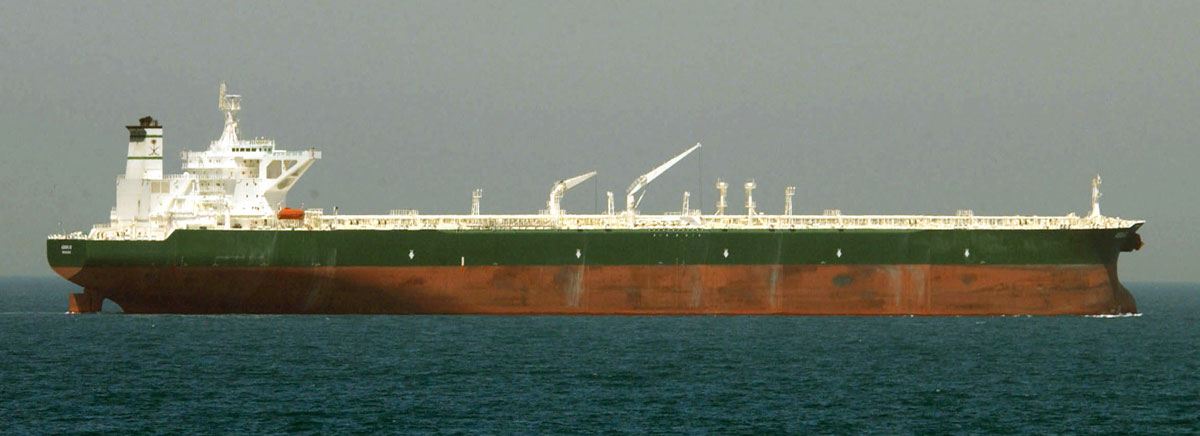
What Does a Platform Supply Vessel Do? Core Operations Explained
Platform Supply Vessels (PSVs) transport essential cargo, equipment, personnel, and drilling fluids between onshore supply bases and offshore installations, enabling continuous oil and gas production and drilling operations. These specialized vessels perform diverse logistics functions that keep offshore platforms operational, productive, and safe in remote marine environments [Identec Solutions, 2025].
PSVs serve as the primary logistics link connecting offshore installations with onshore infrastructure. According to industry data, a single modern PSV can deliver up to 5,000 tonnes of cargo per voyage, supporting platform operations for several weeks without resupply [MDPI, 2025]. The offshore support vessel market, dominated by PSV operations, was valued at $25.6 billion in 2024, reflecting the critical role these vessels play in global energy production [Shipfinex, 2025].
This comprehensive guide explains the core operational functions PSVs perform, the types of cargo they transport, their daily operational procedures, specialized capabilities, and why their operations remain essential to offshore energy industries worldwide.
What Are the Primary Functions of a Platform Supply Vessel?
Platform Supply Vessels perform several interconnected operational functions that sustain offshore activities.
Routine cargo transport constitutes the fundamental PSV mission. PSVs deliver scheduled shipments of bulk materials, deck cargo, liquids, and equipment required for continuous platform operations. This routine supply function accounts for approximately 70-80% of PSV operational time [Offshore Magazine, 2013].
Emergency supply response requires PSVs to deliver critical materials, replacement equipment, and specialized personnel on short notice when unexpected operational needs arise. Offshore platforms may require urgent delivery of replacement parts, additional drilling fluids, or emergency medical supplies, and PSVs provide the fastest bulk transport option for these time-sensitive requirements.
Personnel transfer operations enable PSVs to safely transport crew changes, maintenance specialists, technical experts, and management personnel between shore bases and offshore installations. While helicopters handle many personnel movements, PSVs remain essential for transporting larger groups, particularly during crew rotation periods when 20-40 personnel may transfer simultaneously.
Standby and safety services position PSVs near offshore operations to provide immediate emergency response capability. During critical operations such as well intervention, subsea construction, or heavy lifting, PSVs maintain station as safety standby vessels ready to respond to incidents, conduct rescue operations, or provide firefighting support [US Coast Guard, 2024].
Return cargo operations involve transporting used equipment, maintenance waste, drill cuttings, and other materials from offshore installations back to shore. Environmental regulations require proper disposal of offshore waste materials, and PSVs provide the transportation capacity needed for compliant waste management operations.
What Types of Cargo Do Platform Supply Vessels Transport?
PSVs carry diverse cargo categories essential to offshore operations, each requiring specialized handling and storage systems.
Liquid Cargo
Fuel oil and diesel represent critical liquid cargo transported in dedicated fuel tanks. Offshore platforms consume large quantities of fuel for power generation, with typical consumption ranging from 50 to 200 tonnes daily depending on platform size and operations. PSVs typically carry 1,000-3,000 cubic meters of fuel per voyage, sufficient to support platform operations for 5-15 days [Damen, 2024].
Fresh water delivery sustains offshore personnel and certain industrial processes. Platforms require 10-50 tonnes of fresh water daily for drinking, cooking, sanitation, and specific operational needs. PSVs feature dedicated fresh water tanks with capacities ranging from 500 to 1,500 cubic meters, providing 2-4 weeks of water supply per delivery [Fortune Business Insights, 2025].
Drilling mud consists of specialized fluids used during drilling operations to control well pressure, cool drill bits, and transport drill cuttings to the surface. PSVs deliver various mud formulations in segregated tanks, with typical mud capacities ranging from 500 to 2,000 cubic meters. A deepwater drilling operation may require 300-800 cubic meters of new drilling mud weekly [Offshore Magazine, 2013].
Liquid chemicals include corrosion inhibitors, scale preventers, production chemicals, and various specialized fluids used in offshore processes. These materials require segregated storage to prevent contamination and typically occupy 100-300 cubic meters of PSV tank capacity.
Dry Bulk Cargo
Cement serves essential functions in well construction, casing operations, and platform maintenance. PSVs transport cement in pressurized bulk tanks and can deliver 200-500 tonnes per voyage using pneumatic transfer systems that pump cement directly to platform storage silos [Engineerfix, 2024].
Barite and bentonite are mineral additives used in drilling mud formulations to control density and viscosity. These powdered materials are stored in dedicated bulk tanks and delivered using pneumatic conveying systems. Drilling operations may require 50-150 tonnes of these additives weekly.
Drilling chemicals include various powdered and granular materials used in well control, mud treatment, and production enhancement. PSVs carry these materials in sealed bags or bulk containers secured on deck.
Deck Cargo
Tubular goods including drill pipes, casing sections, and production tubing constitute major deck cargo. These steel pipes, typically 9-12 meters long and weighing several tonnes each, are secured on the open deck using specialized lashing systems. A single PSV voyage may deliver 200-400 tonnes of tubular goods [MDPI, 2025].
Containers provide versatile cargo transport for equipment, spare parts, tools, and consumables. Standard 20-foot ISO containers stack on PSV decks, with typical vessels carrying 20-40 containers per voyage. Refrigerated containers transport food supplies and temperature-sensitive materials.
Heavy equipment such as wellhead components, pumps, compressors, and production equipment travels on PSV decks. Specialized securing arrangements and careful weight distribution ensure safe transport of these valuable items, which may weigh 10-50 tonnes individually.
Construction materials including steel beams, plates, protective coatings, and maintenance supplies support platform upkeep and modification projects. PSVs deliver these materials as deck cargo secured using chains, wire ropes, and specialized lashing equipment.
How Do Platform Supply Vessels Operate Daily?
PSV operations follow systematic procedures designed to maximize efficiency and safety.
Shore Base Operations
Cargo loading begins at designated offshore supply bases where materials are marshaled, inspected, and prepared for shipment. Loading operations typically require 6-12 hours depending on cargo complexity and volume. Cargo coordinators prepare detailed loading plans that optimize weight distribution and ensure compliance with vessel stability requirements [Ocean Marine, 2024].
Documentation and clearance involve processing cargo manifests, obtaining port clearance, verifying cargo against platform requisitions, and completing customs procedures when operating internationally. Digital cargo management systems have streamlined these administrative processes, reducing documentation time by approximately 40% since 2020 [Maritime Technology Reports, 2024].
Safety inspections ensure all cargo is properly secured, hazardous materials are correctly stowed and documented, equipment is operational, and the vessel is seaworthy. These inspections typically require 2-4 hours and must be completed before departure.
Transit Operations
Navigation and weather monitoring continue throughout the voyage. PSV navigators track weather conditions, optimize routes to minimize transit time and fuel consumption, monitor vessel performance, and maintain regular communication with destination platforms. Modern vessels employ route optimization software that reduces fuel consumption by 5-15% through intelligent speed and course adjustments [Maritime Efficiency Studies, 2024].
Cargo monitoring ensures liquid cargo temperatures remain within specifications, deck cargo securing systems maintain proper tension, and all systems function normally. Crew members conduct regular cargo inspections during transit to identify and address any issues before arrival.
Position reporting follows standardized procedures including Automatic Identification System (AIS) broadcasting, scheduled position reports to platform operators, and weather observations transmitted to meteorological services. These communications enable platforms to coordinate operations and prepare for vessel arrival.
Offshore Operations
Dynamic Positioning enables PSVs to maintain precise position alongside platforms without anchoring. DP systems use GPS positioning, wind sensors, motion reference units, and multiple azimuth thrusters to counteract wind, waves, and currents automatically. Achieving stable DP position typically requires 15-30 minutes after arrival at the platform location [US Coast Guard, 2024].
Cargo discharge methods vary by cargo type. Liquid cargo transfers via flexible hoses connected between vessel and platform, with transfer rates ranging from 50 to 200 cubic meters per hour. Deck cargo is lifted by platform cranes at rates of 2-6 lifts per hour depending on item size and weather conditions. Bulk materials transfer pneumatically using vessel compressors and transfer hoses, with typical transfer rates of 20-40 tonnes per hour [Identec Solutions, 2025].
Safety protocols govern all offshore operations. Before commencing cargo operations, crews conduct communication checks, verify emergency procedures, establish exclusion zones, and brief all personnel on safety requirements. Continuous monitoring of weather conditions, vessel position, and cargo operations ensures immediate response to any developing hazards.
Backloading operations involve loading return cargo such as used equipment, maintenance waste, and materials being returned to shore. These operations follow similar safety procedures as discharge operations but may require additional time for cargo securing to ensure safe transit.
What Specialized Operations Can Platform Supply Vessels Perform?
Beyond routine cargo transport, PSVs execute several specialized functions that enhance their operational value.
Emergency Response Operations
Oil spill response capabilities equip many PSVs to deploy containment booms, support oil recovery operations, and transport spill response equipment to incident locations. Regulations in many regions require offshore operators to maintain contracted PSV support for rapid spill response, and specialized PSVs carry oil dispersants and recovery systems ready for immediate deployment [IMO MARPOL, 2023].
Firefighting support enables PSVs to provide external firefighting water to platforms experiencing fires or explosions. Modern PSVs feature high-capacity firefighting monitors capable of projecting 1,000-3,000 liters of water per minute at distances exceeding 100 meters. This capability provides critical support during platform emergencies when onboard firefighting systems may be compromised [SOLAS, 2023].
Evacuation support allows PSVs to receive personnel evacuated from platforms during emergencies. PSV accommodation facilities can temporarily house 20-40 additional personnel beyond the regular crew, providing safe refuge during crisis situations. Helidecks facilitate helicopter evacuation transfers to PSVs positioned in safer locations [IMO, 2023].
Subsea Support Operations
ROV support enables PSVs to launch and recover Remotely Operated Vehicles used for subsea inspections and light intervention work. Modified PSVs feature moonpools, ROV hangars, and control rooms that support subsea operations while maintaining cargo delivery capabilities.
Construction support allows PSVs to assist offshore construction projects by delivering construction materials, supporting diving operations, and providing accommodation for additional construction personnel. During major platform construction or modification projects, multiple PSVs may operate simultaneously to maintain supply continuity.
Multi-Purpose Operations
Research and survey support enables PSVs to support offshore research programs, environmental monitoring, and geophysical surveys. The vessels provide stable platforms for scientific equipment, accommodation for researchers, and logistics support for extended offshore research campaigns.
Well intervention support positions PSVs to deliver specialized fluids, equipment, and personnel during well workover and intervention operations. These time-sensitive operations require rapid mobilization and reliable supply support that PSVs uniquely provide.
Why Are Platform Supply Vessel Operations Critical?
PSV operations provide indispensable support to offshore energy production for several compelling reasons.
Operational continuity depends entirely on reliable PSV services. Offshore platforms cannot store sufficient supplies to operate independently for extended periods. Regular PSV deliveries of fuel, water, drilling materials, and equipment ensure platforms maintain continuous production without costly shutdowns. Industry studies indicate that delayed PSV deliveries can cost operators $100,000-500,000 per day in lost production and idle rig time [Offshore Economics, 2024].
Economic efficiency makes PSVs the most cost-effective offshore logistics solution. While helicopters provide rapid personnel transport, they cannot economically deliver the bulk materials and heavy equipment that PSVs routinely carry. A single PSV voyage can deliver cargo equivalent to 100-200 helicopter flights at approximately 20% of the helicopter transport cost [Maritime Economics, 2024].
Safety enhancement results from PSV standby and emergency response capabilities. The presence of PSVs near offshore operations provides immediate rescue and firefighting resources that significantly reduce emergency response times. Studies show that dedicated PSV standby services reduce offshore incident response times by 60-80% compared to relying on shore-based emergency resources [Offshore Safety Council, 2023].
Environmental compliance is facilitated by PSV waste management and spill response capabilities. Modern environmental regulations require proper handling and disposal of offshore waste materials, and PSVs provide the transportation infrastructure necessary to maintain compliance while minimizing environmental impact.
Frequently Asked Questions
How often do Platform Supply Vessels visit offshore platforms?
Platform Supply Vessels typically visit offshore installations every 5-14 days depending on platform requirements, operational intensity, and distance from shore bases. Active drilling operations require more frequent supply deliveries (5-7 day cycles) due to high consumption of drilling mud, cement, and tubular goods. Production platforms with stable operations may receive PSV service every 10-14 days. Deepwater and remote installations often maintain higher inventory levels to accommodate less frequent but larger supply deliveries [MDPI, 2025].
What happens during bad weather operations?
Platform Supply Vessels typically suspend cargo operations when wind speeds exceed 25 knots or significant wave heights exceed 3-4 meters, though exact limits vary by vessel size, DP class, and operator procedures. When weather conditions exceed operational limits, PSVs either wait at safe standoff distances for conditions to improve or return to port if extended delays are forecasted. Modern weather routing systems provide 72-96 hour forecasts that enable operators to optimize delivery schedules and minimize weather-related delays. Dynamic Positioning systems allow PSVs to maintain safe position during marginal weather when anchored vessels would need to disconnect [US Coast Guard, 2024].
How do Platform Supply Vessels coordinate with multiple platforms?
PSVs typically serve multiple offshore installations in a single voyage, visiting 2-5 platforms in a planned rotation to maximize efficiency. Logistics coordinators plan multi-platform routes that optimize fuel consumption, minimize transit distances, and meet scheduled delivery requirements. Advanced fleet management systems track vessel positions, cargo inventory, and platform requirements in real-time, enabling dynamic scheduling that responds to changing operational needs. This multi-platform service approach reduces logistics costs by 30-40% compared to dedicated single-platform deliveries [Fleet Management Studies, 2024].
Can Platform Supply Vessels operate at night?
Yes, Platform Supply Vessels operate 24 hours daily and routinely conduct cargo operations during nighttime hours. Modern PSVs feature comprehensive deck lighting systems, including high-intensity LED floodlights, that enable safe nighttime cargo operations. Platform operators coordinate vessel arrivals and cargo operations around drilling schedules, weather windows, and crane availability rather than daylight hours. Dynamic Positioning systems function independently of visibility conditions, allowing safe positioning in darkness. Night operations are essential to maintain operational efficiency and meet time-sensitive supply requirements [Maritime Operations Standards, 2024].
How do PSVs handle hazardous cargo?
Platform Supply Vessels transport hazardous materials in strict compliance with IMDG (International Maritime Dangerous Goods) Code and IMO regulations. Hazardous cargo including chemicals, explosives, and flammable materials must be properly classified, packaged in approved containers, segregated from incompatible materials, and stowed in designated deck locations. PSV crews receive specialized training in hazardous cargo handling, and vessels carry appropriate firefighting equipment, spill response materials, and emergency procedures for all hazardous materials aboard. Cargo manifests identify all hazardous materials with proper shipping names, UN numbers, and emergency contact information [IMO IMDG Code, 2024].
What qualifications do PSV captains need?
PSV captains must hold an STCW Master Mariner Certificate of Competency appropriate to vessel tonnage, plus specialized offshore and Dynamic Positioning certifications. Typical requirements include unlimited tonnage Master's license or restricted tonnage license appropriate to vessel size, DP Unlimited or DP Advanced certification from recognized training providers, offshore survival and emergency training certificates, five to ten years of progressive seagoing experience including two to four years in officer positions, and vessel-specific familiarization training. Many operators require additional certifications in cargo operations, hazardous materials handling, and emergency response. Flag state administrations and vessel operators may impose additional requirements beyond IMO minimums [IMO STCW Convention, 2023].
Conclusion
Platform Supply Vessels perform the essential logistics operations that enable offshore oil and gas production, delivering fuel, water, drilling materials, equipment, and personnel while providing emergency response and safety support. Their diverse operational capabilities, specialized cargo handling systems, and highly trained crews make PSVs indispensable to offshore energy operations worldwide.
Understanding what PSVs do and how they operate provides critical insight into the complex offshore supply chain that sustains global energy production. As offshore operations extend into more challenging environments and the offshore wind sector expands, PSV operational capabilities will continue evolving while maintaining their fundamental mission: keeping offshore installations reliably supplied, operationally efficient, and safe.
References & Citations
[Damen, 2024] Damen Shipyards. "Platform Supply Vessels: Design, Construction, Sale." Technical Specifications and Fleet Overview.
[Engineerfix, 2024] "How Support Vessels Power Offshore Operations." Maritime Engineering Journal.
[Fleet Management Studies, 2024] "Optimizing Multi-Platform PSV Operations." Journal of Maritime Logistics, Vol. 16, No. 3.
[Fortune Business Insights, 2025] "Platform Supply Vessels Market Size, Industry Share, Forecast to 2034." Market Research Report.
[Identec Solutions, 2025] "Transport and Supply of Oil Platforms." Industry Knowledge Hub.
[IMO, 2023] International Maritime Organization. "SOLAS Consolidated Edition 2023" and "IMDG Code 2024 Edition."
[IMO MARPOL, 2023] "International Convention for the Prevention of Pollution from Ships - Consolidated Edition 2023."
[Maritime Economics, 2024] "Comparative Analysis of Offshore Transportation Methods." Journal of Maritime Economics and Logistics.
[Maritime Efficiency Studies, 2024] "Route Optimization and Fuel Efficiency in Offshore Supply Operations." Maritime Technology Reports.
[Maritime Operations Standards, 2024] "24-Hour PSV Operations: Best Practices and Safety Guidelines." International Maritime Operations Association.
[Maritime Technology Reports, 2024] "Digital Transformation in Offshore Logistics." Maritime Innovation Journal.
[MDPI, 2025] "Analysis of Fleet Management Policies for Offshore Platform Supply Vessels: The Brazilian Case." Journal of Marine Science and Engineering, Vol. 13, No. 4.
[Ocean Marine, 2024] "Basics of a Platform Supply Vessel." Ocean Marine Brokerage Service.
[Offshore Economics, 2024] "Economic Impact of Supply Chain Disruptions in Offshore Operations." Offshore Industry Analysis.
[Offshore Magazine, 2013] "Deepwater work in Gulf of Mexico spurs strong platform supply vessel market." Volume 73, Issue 9.
[Offshore Safety Council, 2023] "Emergency Response Effectiveness Study: PSV Standby Services." Offshore Safety Research Report.
[Shipfinex, 2025] "What Are Offshore Vessels: Types, Top Companies & 2026 Market Outlook." Maritime Industry Report.
[US Coast Guard, 2024] "Dynamic Positioning Systems Overview." USCG National Center of Expertise for Dynamic Positioning.