Merchant Seaman: Complete Career Guide (2026)
A merchant seaman is a professional mariner who works aboard commercial vessels operating under a country's Merchant Navy. These vessels include cargo ships, tankers, container vessels, and passenger ships that transport goods and people across international waters. The global shipping industry relies on over 1.89 million seafarers worldwide to operate the world's fleet of more than 105,000 commercial vessels [ICS, 2023].
This comprehensive guide covers everything you need to know about becoming a merchant seaman in 2026, from eligibility requirements and training pathways to career progression, salary expectations, and daily life at sea.
Quick Navigation
- What Is a Merchant Seaman?
- How Do You Become a Merchant Seaman?
- What Are the Eligibility Requirements?
- What Training and Certifications Do You Need?
- What Is the Career Path and Rank Structure?
- How Much Does a Merchant Seaman Earn?
- What Is Daily Life Like at Sea?
- What Are the Different Types of Ships?
- Best Practices for a Successful Career
- Common Mistakes to Avoid
- Regulations and Standards
- Frequently Asked Questions
- Glossary
- Related Articles
- Key Takeaways
- Conclusion
What Is a Merchant Seaman?
A merchant seaman, also called a seafarer or mariner, is any person employed aboard a commercial vessel that operates in the Merchant Navy. The Merchant Navy is the fleet of commercial ships registered in a country that engages in international trade, as opposed to naval warships.
The primary responsibility of a merchant seaman is to ensure the safe and efficient operation of the vessel. This includes navigation, cargo handling, engine maintenance, safety compliance, and administrative duties. The industry is divided into three main departments: Deck, Engine, and Steward.
The global maritime industry transports approximately 90% of world trade by volume [UNCTAD, 2023]. Without merchant seamen, international commerce as we know it would cease to function. The industry offers careers in over 50 different roles across various vessel types and operational areas.
How Do You Become a Merchant Seaman?
Becoming a merchant seaman requires a structured approach. The most common pathway involves completing a maritime education program, obtaining mandatory STCW certifications, and securing a position as a cadet with a shipping company.
Step 1: Complete your secondary education with a focus on Physics, Chemistry, and Mathematics.
Step 2: Enroll in a maritime academy or approved training institute.
Step 3: Complete mandatory STCW Basic Safety Training courses.
Step 4: Apply for a cadetship with a shipping company or manning agency.
Step 5: Complete sea service and obtain your Certificate of Competency (CoC).
For a detailed step-by-step breakdown, read our How to Become a Merchant Seaman guide.
What Are the Eligibility Requirements?
Every aspiring merchant seaman must meet specific educational, medical, and age requirements before joining the industry. These requirements vary by country but follow international standards set by the STCW Convention.
Educational Requirements: Most countries require completion of 10+2 (or equivalent) with Physics, Chemistry, and Mathematics as core subjects. A minimum of 60% aggregate marks in PCM is typically required for admission to maritime degree programs.
Age Requirements: The minimum age to work as a merchant seaman is 18 years. Most maritime academies accept students between 17 and 25 years of age. There is no upper age limit for certain roles, though entry-level programs have age caps.
Medical Fitness: Candidates must pass a mandatory medical examination conducted by an approved maritime medical practitioner. Standards include normal vision (6/6 in each eye), normal hearing, no color blindness, and no chronic medical conditions [MLC, 2006].
For a complete checklist of requirements, read our Merchant Seaman Requirements article.
What Training and Certifications Do You Need?
The International Convention on Standards of Training, Certification and Watchkeeping for Seafarers (STCW) mandates specific training for all merchant seamen [STCW Code, 2010]. These certifications are mandatory regardless of rank or vessel type.
Basic Safety Training (BST)
- Personal Survival Techniques
- Fire Prevention and Fire Fighting
- Elementary First Aid
- Personal Safety and Social Responsibilities
Advanced Certifications
- STCW Proficiency in Survival Craft (PSC) - Required for lifeboat operations
- Medical First Aid - Required for officers
- Advanced Fire Fighting - Required for officers
- Radar Navigation (ARPA) - Required for navigation officers
- GMDSS Certificate - Required for communication duties
A Certificate of Competency (CoC) is the most important qualification for career progression. It is issued by the maritime administration of the flag state and validates your ability to serve at a specific rank. For example, a Deck Cadet progresses through Second Mate, Chief Mate, and finally Master Mariner certifications.
For detailed information on courses, read our Merchant Seaman Courses guide.
What Is the Career Path and Rank Structure?
The merchant seaman rank structure follows a clear hierarchy divided into three departments: Deck, Engine, and Steward. Each department has its own progression ladder from entry-level to senior management.
Deck Department
| Rank | Typical Time to Achieve | Key Responsibility |
|---|---|---|
| Deck Cadet | 0-1 year | Training under supervision |
| Third Officer | 1-3 years | Watchkeeping, safety equipment |
| Second Officer | 3-6 years | Navigation, chart correction |
| Chief Officer | 6-10 years | Cargo operations, crew management |
| Master (Captain) | 10-15 years | Overall command of vessel |
Engine Department
| Rank | Typical Time to Achieve | Key Responsibility |
|---|---|---|
| Engine Cadet | 0-1 year | Training under supervision |
| Fourth Engineer | 1-3 years | Engine room watchkeeping |
| Third Engineer | 3-6 years | Auxiliary machinery maintenance |
| Second Engineer | 6-10 years | Engine room management |
| Chief Engineer | 10-15 years | Full engine department authority |
The Electro-Technical Officer (ETO) is a modern role that handles all electrical and electronic systems aboard. This includes navigation equipment, communication systems, automation, and power generation.
For detailed career progression, read our Merchant Seaman Career Path guide.
How Much Does a Merchant Seaman Earn?
Merchant seaman salaries vary significantly based on rank, vessel type, and country of employment. The industry offers competitive tax-free income for many seafarers, particularly those working under foreign flags.
| Rank | Monthly Salary Range (USD) |
|---|---|
| Deck Cadet | $500 - $1,200 |
| Third Officer | $2,500 - $4,500 |
| Second Officer | $3,500 - $6,000 |
| Chief Officer | $5,000 - $9,000 |
| Master (Captain) | $8,000 - $16,000 |
| Chief Engineer | $9,000 - $18,000 |
Seafarers from developing countries often earn significantly more than they would in shore-based jobs. For example, a Filipino Chief Officer earning $7,000 per month earns approximately 10 times the average local salary. However, salaries also depend on the flag state, company reputation, and individual experience.
For country-specific salary data, read our Merchant Seaman Salary article.
What Is Daily Life Like at Sea?
Life aboard a merchant vessel follows a structured routine with clearly defined watchkeeping schedules. Most vessels operate on a 4-hours-on, 8-hours-off watch system, though this varies by rank and vessel type.
A typical day for a Deck Officer includes:
- 0400-0800: Navigation watch on the bridge
- 0800-1200: Administrative duties, cargo planning, maintenance
- 1200-1600: Navigation watch on the bridge
- 1600-2000: Personal time, meals, rest
- 2000-2400: Navigation watch on the bridge
Contracts typically last between 4 and 9 months, followed by equal vacation time. This rotation allows seafarers to spend extended periods with family while maintaining continuous employment. The Maritime Labour Convention (MLC) 2006 mandates maximum working hours and minimum rest periods for all seafarers [MLC, 2006].
For a deeper look into daily routines, read our Life of a Merchant Seaman article.
What Are the Different Types of Ships?
Merchant seamen work on various vessel types, each with unique operational characteristics and cargo handling requirements. The choice of vessel type significantly impacts your daily work, salary, and career trajectory.
- Container Ships - Carry standardized containers on fixed routes. Fast-paced port rotations.
- Oil Tankers - Transport crude oil and petroleum products. Require specialized safety training.
- LNG Carriers - Carry liquefied natural gas at cryogenic temperatures. High salaries and advanced technology.
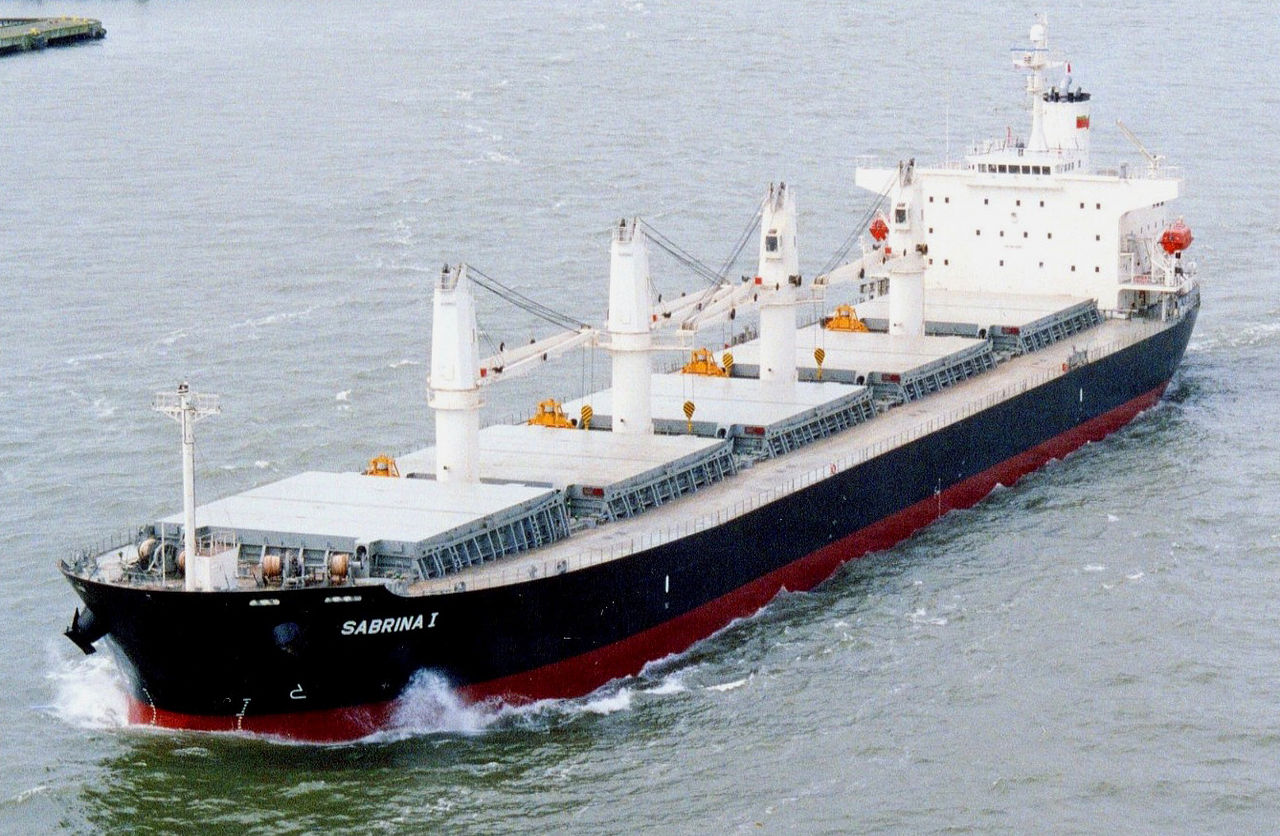
- Bulk Carriers - Transport dry cargo like iron ore, coal, and grain. Longer port stays.
- Cruise Ships - Passenger vessels with hospitality-focused operations. Shorter contracts.
- Offshore Support Vessels - Supply platforms and rigs. Dynamic positioning operations.
For detailed information on each vessel type, read our Ships Merchant Seamen Work On article.
Best Practices for a Successful Career
Building a long-term career as a merchant seaman requires strategic planning and continuous professional development. The most successful seafarers follow these practices:
- Invest in continuous education - Pursue additional certifications beyond mandatory STCW requirements.
- Build a strong network - Maintain relationships with shipping companies, manning agencies, and fellow seafarers.
- Document all sea service meticulously - Accurate sea service records are essential for CoC applications.
- Maintain physical fitness - Medical examinations become more stringent with age and rank progression.
- Develop shore-based skills - Knowledge of maritime law, ship management, and commercial operations opens shore career options.
Common Mistakes to Avoid
Many aspiring merchant seamen make avoidable errors that delay their careers. The most common mistakes include:
- Choosing the wrong training institute - Many unapproved institutes offer substandard training that does not meet STCW standards.
- Ignoring medical fitness requirements - Certain medical conditions disqualify candidates permanently.
- Failing to research shipping companies - Some companies have poor safety records or delayed salary payments.
- Neglecting documentation - Lost CDC, passport, or certificates can delay joining dates significantly.
- Not planning for shore transition - Most seafarers eventually move ashore; planning early ensures a smooth transition.
Regulations and Standards
The maritime industry is governed by a comprehensive framework of international regulations. Every merchant seaman must understand and comply with these conventions:
- STCW Convention - Sets minimum training, certification, and watchkeeping standards [STCW, 1978 as amended].
- SOLAS Convention - Establishes minimum safety standards for ship construction, equipment, and operation [SOLAS, 1974 as amended].
- MARPOL Convention - Regulates pollution prevention from ships [MARPOL, 73/78].
- MLC 2006 - Defines seafarers' rights to decent working conditions [MLC, 2006].
- COLREGS - International regulations for preventing collisions at sea [COLREGS, 1972].
Frequently Asked Questions
What is the difference between a merchant seaman and a navy sailor?
A merchant seaman works on commercial vessels transporting cargo or passengers, while a navy sailor serves on military warships. Merchant seamen are civilians employed by private shipping companies, whereas navy personnel are military members serving their country's armed forces.
How long does it take to become a merchant seaman?
The timeline varies by pathway. A Bachelor's degree in Marine Engineering or Nautical Science takes 3-4 years. Diploma programs take 1-3 years. Shorter certificate courses for ratings can be completed in 6-12 months.
Can women become merchant seamen?
Yes, women can absolutely become merchant seamen. The industry has been actively promoting gender diversity through initiatives like the IMO's "Women in Maritime" program. However, women still represent less than 2% of the global seafaring workforce [BIMCO, 2021].
Is merchant seaman a good career?
Yes, merchant seaman is an excellent career for individuals who enjoy travel, hands-on technical work, and competitive tax-free income. The career offers clear progression, global opportunities, and extended leave periods. However, it requires extended time away from family and adaptation to life at sea.
What is the retirement age for merchant seamen?
There is no universal retirement age. Most seafarers retire between 55 and 65 years of age. Many transition to shore-based roles in ship management, maritime training, port operations, or marine surveying after their sea career.
Glossary
| Term | Definition |
|---|---|
| STCW | Standards of Training, Certification and Watchkeeping |
| CoC | Certificate of Competency |
| CDC | Continuous Discharge Certificate |
| SOLAS | Safety of Life at Sea |
| MARPOL | Marine Pollution Convention |
| MLC | Maritime Labour Convention |
| COLREGS | International Regulations for Preventing Collisions at Sea |
| GMDSS | Global Maritime Distress and Safety System |
| ARPA | Automatic Radar Plotting Aid |
| ETO | Electro-Technical Officer |
Related Articles
- How to Become a Merchant Seaman
- Merchant Seaman Requirements
- Merchant Seaman Salary
- Merchant Seaman Career Path
- Merchant Seaman Courses
- Life of a Merchant Seaman
Key Takeaways
- A merchant seaman is a professional mariner working on commercial vessels that transport over 90% of global trade.
- The career requires specific educational qualifications, medical fitness, and mandatory STCW certifications.
- Career progression follows a structured rank hierarchy in Deck, Engine, or Steward departments.
- Salaries range from $500/month for cadets to $18,000/month for senior officers.
- The industry offers global opportunities, tax-free income, and extended leave periods.
- International regulations including STCW, SOLAS, MARPOL, and MLC govern all aspects of the profession.
Conclusion
A career as a merchant seaman offers a unique combination of travel, technical challenge, and financial reward. The global shipping industry depends on skilled seafarers to keep international trade moving, and demand for qualified professionals remains strong. By following the structured pathways outlined in this guide, obtaining the required certifications, and building experience progressively, you can build a successful and fulfilling career at sea.
Explore our related articles to dive deeper into specific aspects of this rewarding profession.
References & Citations
- [ICS, 2023] International Chamber of Shipping. "Global Seafarer Workforce Report 2023."
- [UNCTAD, 2023] United Nations Conference on Trade and Development. "Review of Maritime Transport 2023."
- [STCW Code, 2010] International Maritime Organization. "STCW Convention and Code, 2010 Manila Amendments."
- [MLC, 2006] International Labour Organization. "Maritime Labour Convention, 2006."
- [BIMCO, 2021] BIMCO/ICS. "Seafarer Workforce Report 2021."
- [SOLAS, 1974] International Maritime Organization. "International Convention for the Safety of Life at Sea."
- [MARPOL, 73/78] International Maritime Organization. "International Convention for the Prevention of Pollution from Ships."